

Hip bursitis vs. arthritis: How to tell the difference

Fitness for longevity: Which type matters most?

Ministrokes linked to elevated risk of dementia

Continuous glucose monitors benefit people who don't need insulin

CoQ10: Should you take this popular supplement if you're on a statin?

Microplastics: A hidden health threat?

Oat vs. dairy milk: Nutrition, benefits, and downsides

What is tempeh? Benefits, nutrition, and how to use it

Healing after food poisoning

Whole grains may improve several heart risk factors at once
Preventive care Archive
Articles

Does a poorly functioning gallbladder without gallstones always need surgery?
A sluggish gallbladder can cause belly pain even without stones. Explore how diet changes and other factors may help and when surgery is advised.
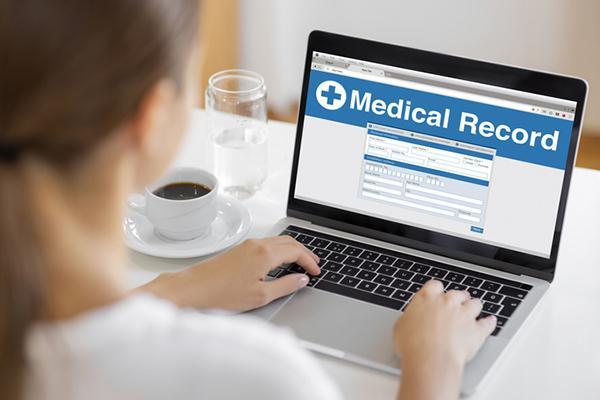
Navigating your online patient portal: Best practices
Online patient portals enable people to see their medical records, communicate with their doctors, and more. This improved access has advantages along some with potential pitfalls, which can be avoided.

3 simple swaps for better heart health
A busy schedule can make it challenging to adhere to heart-healthy habits, but there are steps you can take that don't require much time and can fit easily into almost anyone's life.

Virtual cardiac rehab: Heal your heart from home
Virtual cardiac rehabilitation offers heart-related education and supervised exercise classes that people can access at home using a computer, tablet, or smartphone. This growing trend may help make cardiac rehab more convenient and accessible.
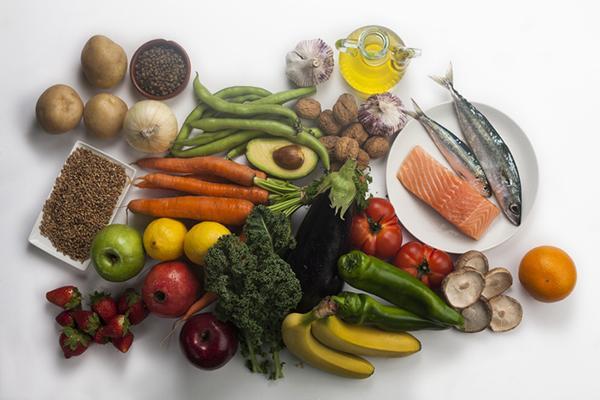
Harvard study: Six healthy diets linked with better long-term brain health
A Harvard study of over 159,000 people found that following any of six healthy diets-especially the DASH diet-was linked to significantly better cognitive function in later life, with the strongest benefits seen in those who were following a healthy diet in middle age.
How to increase appetite
Appetite tends to decline with age, but this can lead to unwanted weight loss and frailty. Tips to boost a weak appetite include eating smaller, more frequent meals; prioritizing protein; staying active; making meals social and pleasurable; and relaxing overly strict dietary rules.

How can technology help people manage their health between — and during — doctor visits?
Data from apps or wearable devices can help people spot patterns, track changes, and notice potential problems earlier—information that’s valuable both between and during clinician appointments.

Tips for adjusting to bifocals and other specialty lenses
Adjusting to bifocals, trifocals, or progressive lenses can be challenging. Unlike traditional glasses, these versions include two or more vision zones. Because people use different parts of the lens for different tasks, objects can seem slightly distorted when they move their eyes.


Hip bursitis vs. arthritis: How to tell the difference
Fitness for longevity: Which type matters most?
Ministrokes linked to elevated risk of dementia
Continuous glucose monitors benefit people who don't need insulin
CoQ10: Should you take this popular supplement if you're on a statin?
Microplastics: A hidden health threat?
Oat vs. dairy milk: Nutrition, benefits, and downsides
What is tempeh? Benefits, nutrition, and how to use it
Healing after food poisoning
Whole grains may improve several heart risk factors at once
Free Healthbeat Signup
Get the latest in health news delivered to your inbox!
Sign Up
