

Hip bursitis vs. arthritis: How to tell the difference

Fitness for longevity: Which type matters most?

Ministrokes linked to elevated risk of dementia

Continuous glucose monitors benefit people who don't need insulin

CoQ10: Should you take this popular supplement if you're on a statin?

Microplastics: A hidden health threat?

Oat vs. dairy milk: Nutrition, benefits, and downsides

What is tempeh? Benefits, nutrition, and how to use it

Healing after food poisoning

Whole grains may improve several heart risk factors at once
Preventive care Archive
Articles

5 simple ways to improve gut health
Gut health plays a bigger role in overall well-being than many people realize, affecting digestion, mood, and immunity. Simple daily choices around food, movement, sleep, stress, and hydration can support a healthier, more resilient gut.

New thinking about plaque in arteries that feed the brain
Carotid artery stenosis, which happens when fatty plaque accumulates in neck arteries that supply the brain, leaves people vulnerable to a stroke. Intensive drug therapy may forestall the need for invasive procedures to treat this problem.
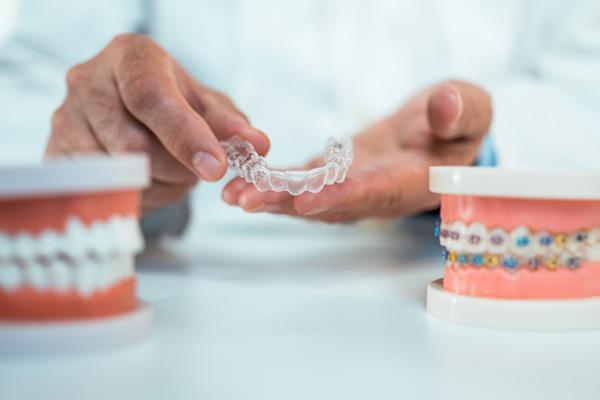
Want to prevent shifting teeth? Maybe you need retainers
Retainers have benefits beyond keeping a nice smile after braces, aligners, or other orthodontic treatment. The appliances help maintain teeth alignment, protecting them from extra wear and tear. Several types of retainers can help. The choice depends on a person's needs and habits.
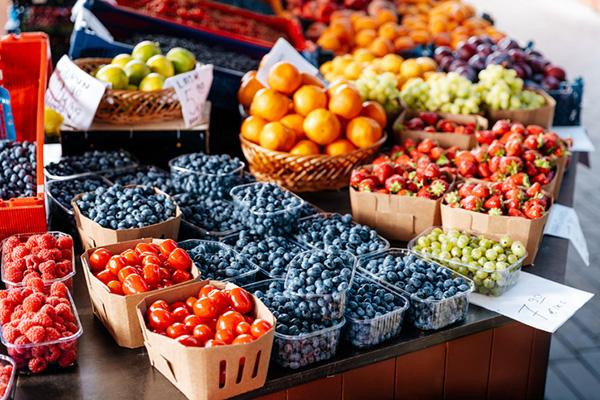
New evidence that polyphenol-rich foods help the heart
A 2025 study suggests that polyphenols, found in a wide range of plant foods, may have long-term benefits for the heart. Over an average of 11 years, people whose diets contained the most polyphenol-rich foods ranked lowest on scores of heart disease risk.

What you need to know about the new dietary guidelines
The new Dietary Guidelines for Americans are a mixed bag. While their advice to choose whole foods, avoid highly processed foods, and limit added sugars is sound, their promotion of animal-based foods like meat and full-fat dairy products is less supported by rigorous scientific research.

How to curb your stress eating
Stress eating involves using food as a coping mechanism when life is difficult. Persistently high levels of cortisol can increase appetite, and past experiences can lead people to associate eating with stressful situations. The foods people crave may depend on their form of turmoil.

GERD diet: Foods to avoid to reduce acid reflux
Dietary changes can make a big difference for people with gastroesophageal reflux disease (GERD). Foods to limit or avoid include chocolate, onions, and tomato sauce. Adjusting eating habits-by eating smaller portions, for example-might also help people avoid heartburn and other symptoms.

8 simple ways to reduce ultra-processed foods in your diet
Cutting back on ultra-processed foods that have little nutritional value can help protect your health, but you don't have to make everything from scratch either. Seek out less-processed versions of your favorite foods at your supermarket to turn into healthy meals with minimal effort.

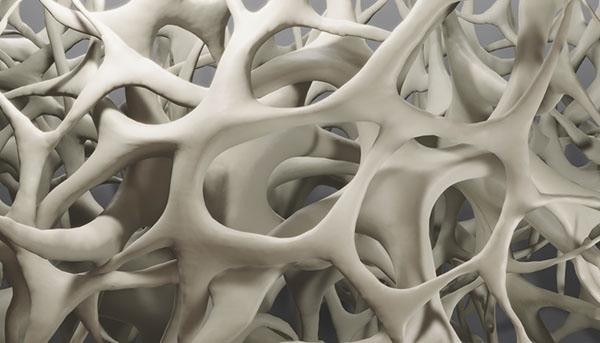
Everyday habits that sneakily weaken your bones
A variety of everyday habits can stealthily reduce bone health. These include consuming too little calcium, excessive caffeine or soda, inadequate protein, and large amounts of alcohol, as well as smoking, being sedentary, dieting frequently, or taking certain medications.
Hip bursitis vs. arthritis: How to tell the difference
Fitness for longevity: Which type matters most?
Ministrokes linked to elevated risk of dementia
Continuous glucose monitors benefit people who don't need insulin
CoQ10: Should you take this popular supplement if you're on a statin?
Microplastics: A hidden health threat?
Oat vs. dairy milk: Nutrition, benefits, and downsides
What is tempeh? Benefits, nutrition, and how to use it
Healing after food poisoning
Whole grains may improve several heart risk factors at once
Free Healthbeat Signup
Get the latest in health news delivered to your inbox!
Sign Up
