

Hip bursitis vs. arthritis: How to tell the difference

Fitness for longevity: Which type matters most?

Ministrokes linked to elevated risk of dementia

Continuous glucose monitors benefit people who don't need insulin

CoQ10: Should you take this popular supplement if you're on a statin?

Microplastics: A hidden health threat?

Oat vs. dairy milk: Nutrition, benefits, and downsides

What is tempeh? Benefits, nutrition, and how to use it

Healing after food poisoning

Whole grains may improve several heart risk factors at once
Preventive care Archive
Articles

Can I substitute nuts for animal protein?
Nuts are a good source of plant fats and protein, but they are high in calories. It’s a good idea to limit nut consumption to 1 ounce per day.

Is flossing really necessary?
The benefits of flossing haven’t been verified in randomized clinical trials. However, health authorities still recommend it for preventing disease-causing plaque.

4 things you can do to alleviate caregiver stress
If you are taking care of a loved one, you need to take special care of yourself, too. There are resources to help you.
Image: Bigstock
More than 65 million Americans—two-thirds of whom are women—are taking care of a disabled or ailing family member. If you're among them, you're well aware that caring for a loved one can be one of the most rewarding experiences in life, but it can also be one of the most challenging, especially to your own health.
"We know family caregivers are under a particular amount of stress. And stress over time can cause them to become ill," says Dr. Diane Mahoney, Jacque Mohr Professor of Geriatric Nursing Research at MGH Institute of Health Professions, an academic affiliate of Massachusetts General Hospital. In fact, more than 20% of caregivers report that their health has suffered as a result of their responsibilities.

How to reset your internal clock to combat jet lag
A few simple measures can help minimize the sleep disturbances and malaise that can occur when you cross several time zones.
Image: faithiecannoise/iStock
This month we perform the annual ritual of turning back our clocks as Daylight Savings Time ends. Most of us can handle the one-hour time change easily. However, when we travel long distances across several time zones, few of us can survive the trip without feeling a little out of whack. For holiday travelers flying from coast to coast or overseas, recovering from the symptoms of jet lag—fatigue, insomnia, digestive upsets, and headaches—can consume a day or two of precious vacation time. According to Dr. Charles A. Czeisler, director of the Division of Sleep Medicine at Harvard Medical School, jet lag is due to a misalignment between the external environment and the internal clock in the brain that drives our daily performance, alertness, and the ability to sleep.
What happens during jet lag
Minimizing jet lag
If your destination is only a zone or two away, you may need to make only minor adjustments, like eating meals, going to bed, and awakening a little earlier or later than usual. If you're crossing several time zones, you may want to try the following:
Gradually switch to the new time. For several days before you leave, move mealtimes and bedtime incrementally closer to the schedule of your destination. Even a partial switch may help.
Stay hydrated. During the flight, drink plenty of fluids, but not caffeine or alcohol. Caffeine and alcohol can dehydrate you, which worsens the symptoms of jet lag. They can also disturb your sleep.
Switch your bedtime as rapidly as possible after arrival. Don't turn in until it is bedtime in the new time zone.
Use the sun to help you readjust. If you need to wake up earlier at your destination, get out in the early morning sun. If you want to rise later than you do at home, wait to go out in the sun until late in the afternoon.
A quick fix for jet lag?In 2009, Dr. Clifford Saper and colleagues at Harvard-affiliated Beth Israel Deaconess Medical Center identified a second "master clock" in mice that can regulate circadian rhythms when food is scarce. In essence, the body's circadian rhythms are suspended to conserve energy. It's been theorized that humans may have a similar mechanism and that a brief fast may trigger a quick reset of circadian rhythms. Dr. Saper has suggested a 12-hour to 16-hour fast the day before and during travel. For example, if you were to take a flight from New York City to Honolulu, you would refrain from eating for couple of hours before take-off and during the flight, but would have a good meal as soon as convenient after landing. This technique hasn't been tested in clinical trials, but there are many testimonials in the media to its effective-ness. If you want to try this, it's a good idea to check with your clinician to see if it's advisable for you. And you will still need to drink water—not caffeinated beverages, juice, or alcohol—during your flight. |
The longer you carry extra pounds, the higher your cancer risk, study suggests
Degree and duration of overweight were linked with an increased risk of several cancers among 74,000 participants in the Women’s Health Initiative.

Reading books may add years to your life
An analysis of records of 5,635 participants in the Health and Retirement Study linked regular book reading with a 20% reduced risk of dying over a 12-year period.
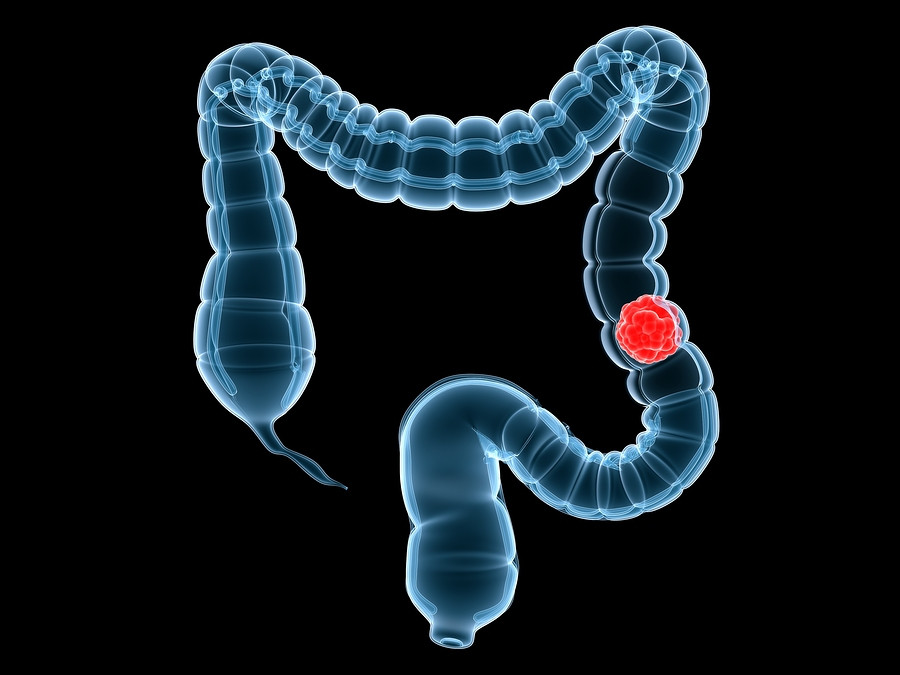
A new look at colon cancer screening
Don't be intimidated about screening tests. The latest guidelines suggest you can choose from multiple strategies.
Image: Bigstock
Colon cancer continues to be the country's second leading cause of cancer-related deaths and the third most common cancer in men, according to the CDC.
It almost always develops from precancerous polyps (abnormal growths). Screening tests, which are recommended for men ages 50 to 75, help find and sometimes aid removal of polyps before they become cancer. (Men older than 75 may still benefit, depending on their health.)

The lowdown on low sodium
Here's how to keep your daily salt intake in check.
Image: Mark Poprocki/Thinkstock
Most men probably consume too much sodium, and new federal guidelines are aimed at helping them curb their habit.
The FDA advises no more than 2,300 milligrams (mg) of sodium daily—the amount in about 1 teaspoon of salt. (People with prehypertension and hypertension should limit their intake to 1,500 mg, roughly the amount in 3/4 tea-spoon of salt.)

Step lively with healthier feet
Keep your feet strong and you'll stay more active.
Image: Gualtiero Boffi/Thinkstock
Socrates may have been the first to equate healthy feet with quality of life when he famously said, "When one's feet hurt, one hurts all over." His observation rings true even millennia later.
"As you age, healthy feet become even more important for staying mobile, active, and safe," says Dr. Kevin Reimer, a podiatrist with Harvard-affiliated Beth Israel Deaconess Medical Center. "When it hurts to walk, you cut back on activities that you enjoy and that keep you healthy."
Hidden tooth infections may be warning sign of heart disease
A common tooth infection often caused by cavities and usually found by chance on dental x-rays is associated with a higher risk of acute coronary syndrome, an umbrella term for a sudden blockage in the blood supply to the heart.
Hip bursitis vs. arthritis: How to tell the difference
Fitness for longevity: Which type matters most?
Ministrokes linked to elevated risk of dementia
Continuous glucose monitors benefit people who don't need insulin
CoQ10: Should you take this popular supplement if you're on a statin?
Microplastics: A hidden health threat?
Oat vs. dairy milk: Nutrition, benefits, and downsides
What is tempeh? Benefits, nutrition, and how to use it
Healing after food poisoning
Whole grains may improve several heart risk factors at once
Free Healthbeat Signup
Get the latest in health news delivered to your inbox!
Sign Up
