

Hip bursitis vs. arthritis: How to tell the difference

Fitness for longevity: Which type matters most?

Ministrokes linked to elevated risk of dementia

Continuous glucose monitors benefit people who don't need insulin

CoQ10: Should you take this popular supplement if you're on a statin?

Microplastics: A hidden health threat?

Oat vs. dairy milk: Nutrition, benefits, and downsides

What is tempeh? Benefits, nutrition, and how to use it

Healing after food poisoning

Whole grains may improve several heart risk factors at once
Preventive care Archive
Articles

Solo aging: Who can you rely on?
Solo-agers are people 50 and older who aren't married, don't have children, and live alone. Many of them don't have people they can count on to help them with household tasks or manage their ongoing care, if needed. While solo aging can offer perks, it can also leave older adults vulnerable to deteriorating mental and physical health. Solo-agers may count on help from siblings, neighbors, friends, community groups, or paid help. They can build their support by setting up a buddy system, staying in regular touch with loved ones, and tapping senior programs.
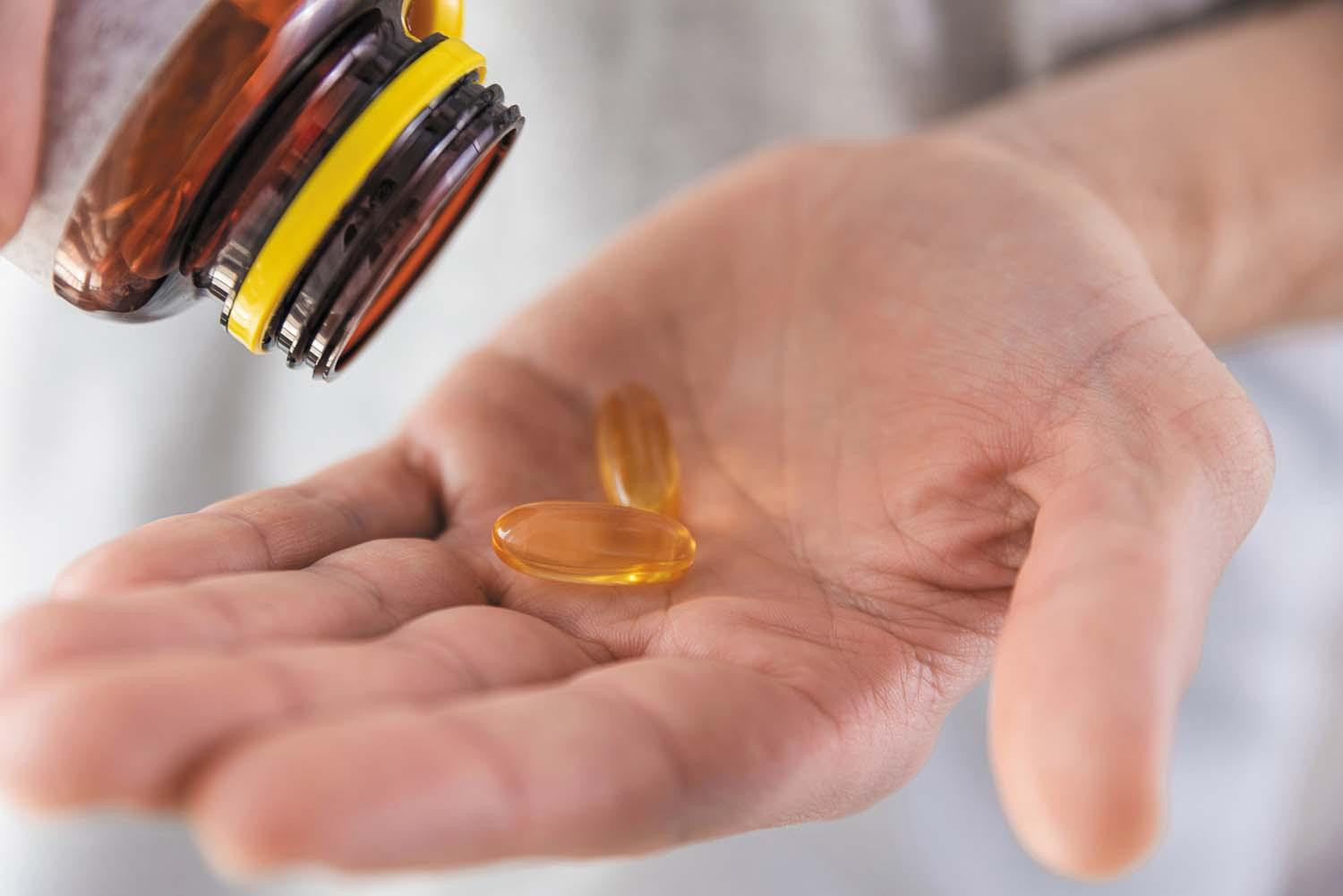
Will vitamin D supplements keep me younger?
In a 2025 randomized trial of about 1,000 people (ages 50 or older), followed for four years, those who took 2,000 international units of vitamin D3 per day showed cellular signs that suggested they were aging more slowly compared with people who did not take the supplement. It’s unclear if this benefit would continue from taking daily pills longer than four years. Scientists do know that taking vitamin D3 supplements is important for people with osteoporosis or with vitamin D deficiency (as determined by a blood test).

Aim for quantity and variety in fruit and vegetable intake
A 2025 study that involved 125,000 people (ages 40 to 69), who were followed for about a decade, found that both the quantity and variety of flavonoid intake were linked with significantly reduced risks of chronic disease and death from any cause.

What to do if you get "tennis leg"
Tennis leg refers to a strained calf muscle, usually the gastrocnemius. A person can injure the muscle during activity when planting the foot down hard or suddenly changing direction. This might happen during sports, such as tennis, or even while walking or jogging. Mature athletes, who are prone to injury, are vulnerable to the injury. Treatment can involve resting, elevating, and icing the calf muscle; wearing a compression sock; taking painkillers; getting physical therapy; and having surgery.

A 5-step plan to eat more produce
Few people get the recommended two fruits and three vegetables per day. Tips for helping people add more produce into their diets include starting small (making just one minor addition or substitution at a time and sticking with it for several weeks); choosing smarter snacks (like hummus and carrots or apples and peanut butter); sneaking pureed vegetables into pasta and other dishes; making smoothies and soups; and relying on frozen fruits and vegetables.

Why do we need new flu shots every year?
With influenza virus, a new vaccine must be developed each year to adapt to the virus's changing structure.
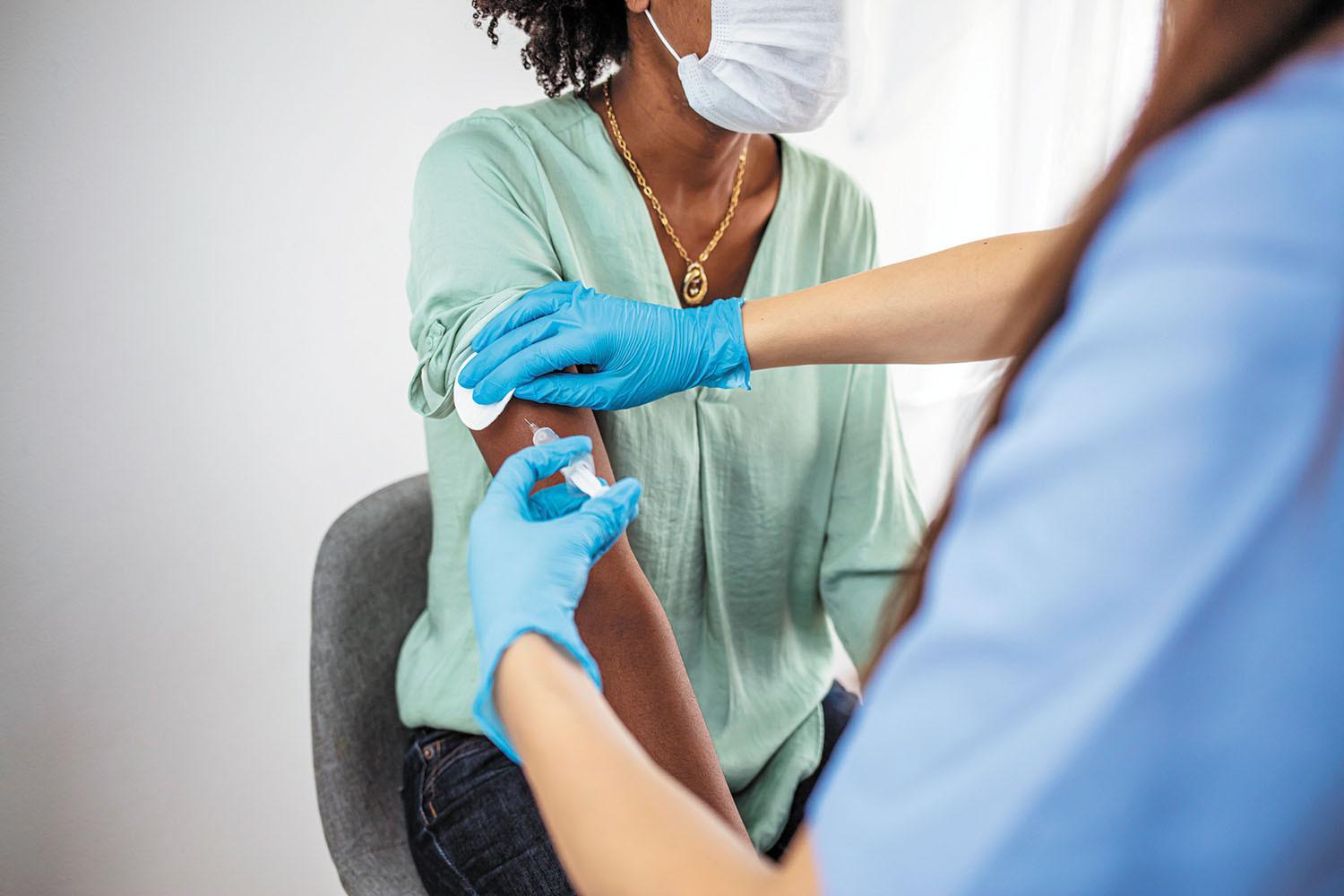
Why does my arm hurt after I get a shot?
Arm tenderness is the most common side effect after vaccination. The injection stretches muscle fibers and triggers an immune response, causing discomfort. People can counter pain by moving the injected arm afterward and applying a cool compress or ice pack.
Will we ever have a vaccine to prevent Alzheimer's disease?
There are currently nine trials of vaccines for Alzheimer's disease under way. All of them are in people with mild Alzheimer's or with the pre-Alzheimer's condition called mild cognitive impairment. All of the vaccines are designed to encourage the immune system to remove protein deposits from the brain. Most experimental vaccines are given by injection; one being tested at Harvard Medical School uses a nasal spray. It will be several years before we know if any of them will work.

When will we see a "one-and-done" flu shot?
Scientists are trying to create a vaccine that would protect people against all different strains of the influenza (flu) virus. These vaccines are being designed to target parts of the flu virus that don't change regularly and so are consistent across all strains. The perfect vaccine would also prevent symptoms (since current vaccines help prevent hospitalization and death, but not symptoms), and its effects would last for a lifetime. While such a vaccine is still many years away from reality, improved flu vaccines are expected in the meantime.

Hip bursitis vs. arthritis: How to tell the difference
Fitness for longevity: Which type matters most?
Ministrokes linked to elevated risk of dementia
Continuous glucose monitors benefit people who don't need insulin
CoQ10: Should you take this popular supplement if you're on a statin?
Microplastics: A hidden health threat?
Oat vs. dairy milk: Nutrition, benefits, and downsides
What is tempeh? Benefits, nutrition, and how to use it
Healing after food poisoning
Whole grains may improve several heart risk factors at once
Free Healthbeat Signup
Get the latest in health news delivered to your inbox!
Sign Up
