

Hip bursitis vs. arthritis: How to tell the difference

Fitness for longevity: Which type matters most?

Ministrokes linked to elevated risk of dementia

Continuous glucose monitors benefit people who don't need insulin

CoQ10: Should you take this popular supplement if you're on a statin?

Microplastics: A hidden health threat?

Oat vs. dairy milk: Nutrition, benefits, and downsides

What is tempeh? Benefits, nutrition, and how to use it

Healing after food poisoning

Whole grains may improve several heart risk factors at once
Respiratory health Archive
Articles

What could be causing my persistent cough?
A nagging cough can have many hidden causes. Learn which conditions doctors look for and why a chest x‑ray may be important.

Why does my pneumonia keep returning?
Repeated infections in one lung can point to hidden airway damage, aspiration, immune problems, or inflammation. Tests like CT and bronchoscopy may help identify the cause.

How might a COPD exacerbation affect my father's prognosis?
Flare‑ups of COPD can speed lung decline, sap energy, and raise the risk of death. Outlook may depend on smoking status and inhaler treatments.

How often should someone with emphysema get a full pulmonary function test?
Managing emphysema involves more than an occasional lung test. Learn how breathing studies, oxygen checks, and symptoms can be used to track your lung health.

What does end-stage emphysema mean in terms of symptoms and life expectancy?
Severe emphysema can bring crippling breathlessness and the need fro supplemental oxygen. Learn how doctors define the final stage and what it may mean for longevity.

Thunderstorm asthma: Bad weather, allergies, and asthma attacks
Thunderstorm asthma is an attack that starts or worsens after a thunderstorm. It can occur in anyone with asthma, but it most often affects people with seasonal allergies. There are several risk factors that make experiencing this phenomenon more likely, so it's important to know what these are.

Low vitamin D may raise risk for respiratory infections
A 2026 study found that low vitamin D levels may increase the risk of hospitalization for respiratory infections (such as colds, flu, pneumonia, and bronchitis) by as much as 33%. Sunlight, foods containing vitamin D, and supplements help maintain healthy vitamin D levels.
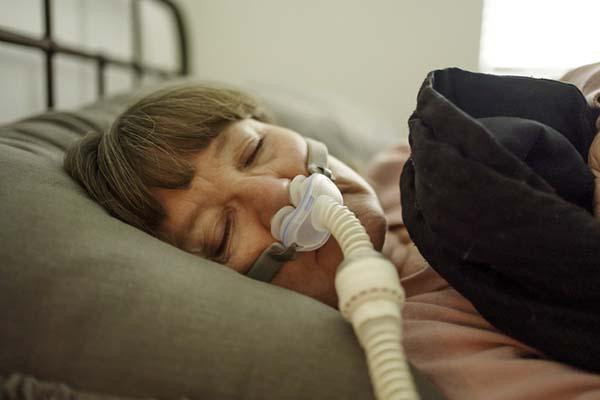
Sleep apnea linked to mental health conditions in middle and older age
Obstructive sleep apnea (OSA), marked by breathing pauses during sleep, is linked to high blood pressure, heart disease, stroke, and diabetes. A 2025 study found that people at high risk for OSA also had about 40% higher odds of depression and other mental health conditions.


How to cope with worsening allergy seasons
Climate change is causing longer, more intense allergy seasons, with increased amounts of pollen. This might make it harder for people to predict when their allergies might crank up, when to begin preparing for them, and how to discern the difference between allergy symptoms and upper respiratory illness. Strategies to cope include noting daily pollen counts, staying indoors when counts are high, checking with a doctor about new or worsening symptoms, and wearing a mask when outside for more than a few minutes.
Hip bursitis vs. arthritis: How to tell the difference
Fitness for longevity: Which type matters most?
Ministrokes linked to elevated risk of dementia
Continuous glucose monitors benefit people who don't need insulin
CoQ10: Should you take this popular supplement if you're on a statin?
Microplastics: A hidden health threat?
Oat vs. dairy milk: Nutrition, benefits, and downsides
What is tempeh? Benefits, nutrition, and how to use it
Healing after food poisoning
Whole grains may improve several heart risk factors at once
Free Healthbeat Signup
Get the latest in health news delivered to your inbox!
Sign Up
