

Hip bursitis vs. arthritis: How to tell the difference

Fitness for longevity: Which type matters most?

Ministrokes linked to elevated risk of dementia

Continuous glucose monitors benefit people who don't need insulin

CoQ10: Should you take this popular supplement if you're on a statin?

Microplastics: A hidden health threat?

Oat vs. dairy milk: Nutrition, benefits, and downsides

What is tempeh? Benefits, nutrition, and how to use it

Healing after food poisoning

Whole grains may improve several heart risk factors at once
Sciatica Archive
Articles

Pelvic organ prolapse: You're not alone
Exchanging information with friends is one way to remove the stigma of pelvic organ prolapse. Image: Thinkstock |
Few women realize how common pelvic prolapse is—and how easily treated. Here are five things you should know.
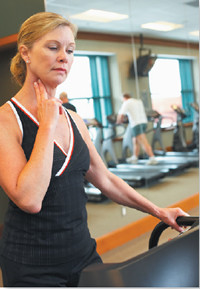
Safe exercise: Know the warning signs of pushing too hard
Your heart should beat Image: Thinkstock |
Chest pain, dizziness, and shortness of breath mean you should back off and call your doctor.

Sore back? Try a massage
Massage can be a helpful add-on to conventional medical care for back pain. Images: Thinkstock |
It can reduce discomfort and get you back on your feet faster.

Common pain relievers add bleeding risk to afib treatment
The abnormal heart rhythms from atrial fibrillation (afib) can form clots that, in turn, trigger strokes. To prevent that, people with afib take a blood-thinning medication to prevent clotting. But also taking common over-the-counter painkillers can block clotting too much and lead to dangerous bleeding, according to a study in Annals of Internal Medicine.
Danish researchers examined health records of more than 150,000 people with afib. A third of them had also been prescribed nonsteroidal anti-inflammatory drugs (NSAIDs), such as ibuprofen (Advil, Motrin) and naproxen (Aleve). These common pain relievers interfere with the body's natural clotting function. Paradoxically, some NSAIDs have also been linked to higher risk of thromboembolism, or a clot that forms in the body and travel to the lungs, brain, or elsewhere.

Hip bursitis vs. arthritis: How to tell the difference
Fitness for longevity: Which type matters most?
Ministrokes linked to elevated risk of dementia
Continuous glucose monitors benefit people who don't need insulin
CoQ10: Should you take this popular supplement if you're on a statin?
Microplastics: A hidden health threat?
Oat vs. dairy milk: Nutrition, benefits, and downsides
What is tempeh? Benefits, nutrition, and how to use it
Healing after food poisoning
Whole grains may improve several heart risk factors at once
Free Healthbeat Signup
Get the latest in health news delivered to your inbox!
Sign Up
