

Hip bursitis vs. arthritis: How to tell the difference

Fitness for longevity: Which type matters most?

Ministrokes linked to elevated risk of dementia

Continuous glucose monitors benefit people who don't need insulin

CoQ10: Should you take this popular supplement if you're on a statin?

Microplastics: A hidden health threat?

Oat vs. dairy milk: Nutrition, benefits, and downsides

What is tempeh? Benefits, nutrition, and how to use it

Healing after food poisoning

Whole grains may improve several heart risk factors at once
Skin allergies and contact dermatitis Archive
Articles

Swimming and skin: What to know if a child has eczema
Swimming is a great activity for children, but for children with the allergic skin condition known as eczema, swimming can be complicated. Taking steps to protect skin before and after a swim can help.

Winning the skin game
As people age, earlier sun damage to the skin, especially on the face and neck, shows up as dry skin, wrinkles, and age spots. While much of this sun damage occurred in the past, people can take steps later to reverse some of it. Adopting a three-step daily skin care routine—washing, moisturizing, and applying sunscreen—is the best way to treat existing skin problems, maintain healthy skin, and protect against future harm.

Is biting my nails really that bad?
Nail-biting can introduce germs into people's mouths that can cause a range of illnesses, including colds or salmonella. The habit also creates tiny fissures in skin that can become infected. People who bite their nails should occupy their mouth and hands with other tasks.

Considering collagen drinks and supplements?
Celebrities and influencers claim that consuming collagen could have miraculous benefits for skin, hair, and nails. But what does the science say?

Fighting the most common skin cancers
The most common non-melanoma skin cancers are basal cell carcinomas and squamous cell carcinomas. They aren’t usually life-threatening, but they can be quite dangerous. They can bleed, hurt, and eat away at skin. If left untreated, they can erode through important structures like the nose, eyes, bones, or muscles. If they become very large, they can spread, and in rare cases cause death. Treatment ranges from scraping out skin cancers with surgical tools to Mohs surgery, a procedure that spares as much healthy skin as possible.

Why won't my hives go away?
Hives are red, itchy welts that crop up on the skin. Allergic reactions and stress, among other triggers, can cause episodes of hives, which typically last several days to a couple of weeks. Cases that last six weeks or longer may be autoimmune hives.
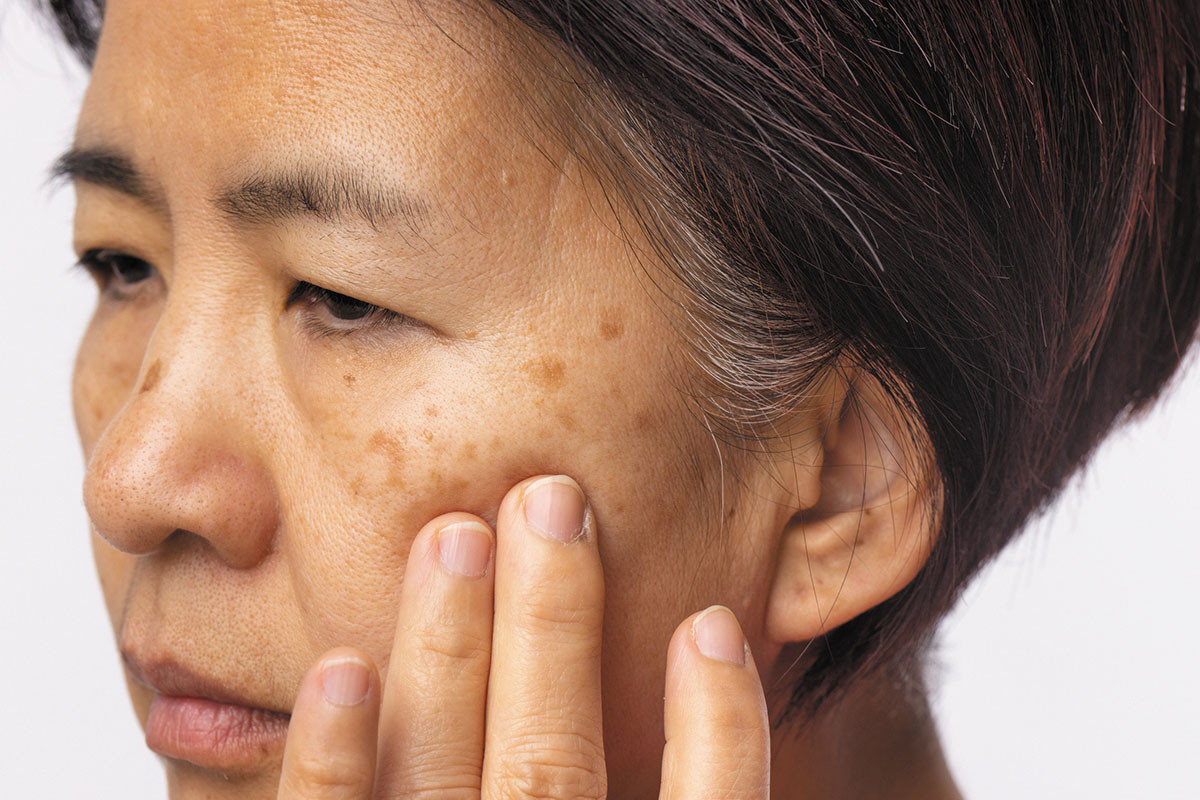
A mask that's hard to shed
Melasma, which causes dark patches on the face, is far more prevalent in women than in men. Dubbed the "mask of pregnancy," melasma triggers include not only pregnancy but also hormonal fluctuations, genetics, and sun exposure. People with darker skin are more prone to it. Melasma is typically treated with topical products that lighten the skin or slough off cells. Laser treatments and chemical peels, however, may worsen melasma. Sunscreen use can help prevent flares.

Eating disorders in midlife
By age 40, one in five women has dealt with an eating disorder, twice the proportion of women known to be affected by age 21. Risks for anorexia, bulimia, and binge eating can rise at midlife due to job stressors, an empty nest, and dating again after divorce or widowhood. Health effects can include bone loss, heart problems, lung conditions, gastrointestinal issues, diabetes, and skin breakdown. Signs of an eating disorder include dramatic weight fluctuations, excessive exercising, and preoccupation with weight, calories, and body size and shape.
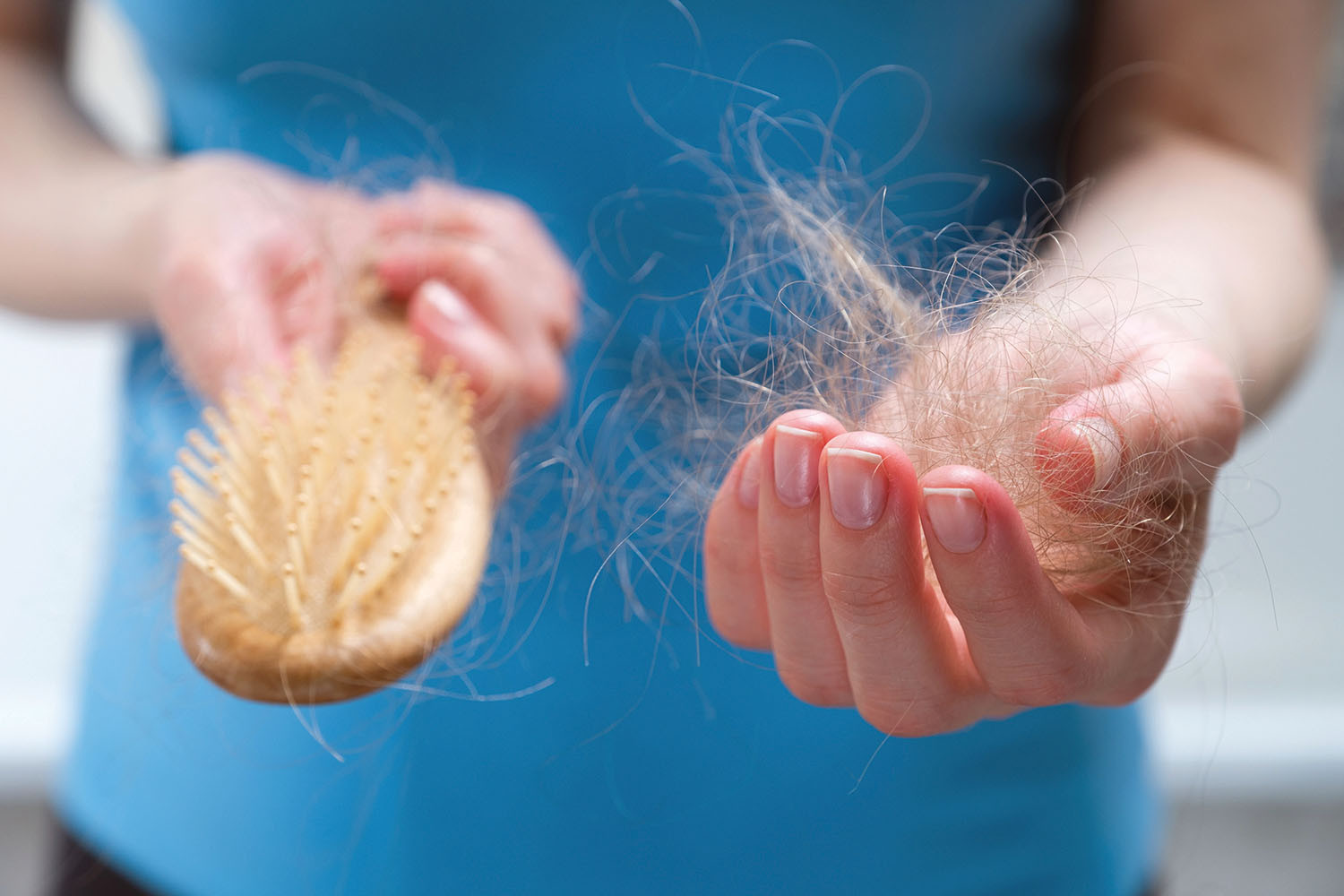
More fallout from COVID-19
Hair loss is common in the months after recovering from COVID-19 infection. It can also happen in people with long COVID or because of mental stress from the pandemic. COVID-related hair loss is a form of telogen effluvium, a condition in which normal hair shedding ramps up after intense physical or mental trauma. Hair regrowth usually takes six to 12 months. People can speed and support hair regrowth by avoiding harsh hair habits, checking nutrient levels, and applying minoxidil (Rogaine) to the scalp.

Harvard Health Ad Watch: A new injection treatment for eczema
Existing treatments for a type of eczema called atopic dermatitis include creams and ointments, some containing steroids. An ad for a new injected medication pitches its skin-clearing capability, but that isn't the whole story.
Hip bursitis vs. arthritis: How to tell the difference
Fitness for longevity: Which type matters most?
Ministrokes linked to elevated risk of dementia
Continuous glucose monitors benefit people who don't need insulin
CoQ10: Should you take this popular supplement if you're on a statin?
Microplastics: A hidden health threat?
Oat vs. dairy milk: Nutrition, benefits, and downsides
What is tempeh? Benefits, nutrition, and how to use it
Healing after food poisoning
Whole grains may improve several heart risk factors at once
Free Healthbeat Signup
Get the latest in health news delivered to your inbox!
Sign Up
