

Hip bursitis vs. arthritis: How to tell the difference

Fitness for longevity: Which type matters most?

Ministrokes linked to elevated risk of dementia

Continuous glucose monitors benefit people who don't need insulin

CoQ10: Should you take this popular supplement if you're on a statin?

Microplastics: A hidden health threat?

Oat vs. dairy milk: Nutrition, benefits, and downsides

What is tempeh? Benefits, nutrition, and how to use it

Healing after food poisoning

Whole grains may improve several heart risk factors at once
Skin and hair health Archive
Articles
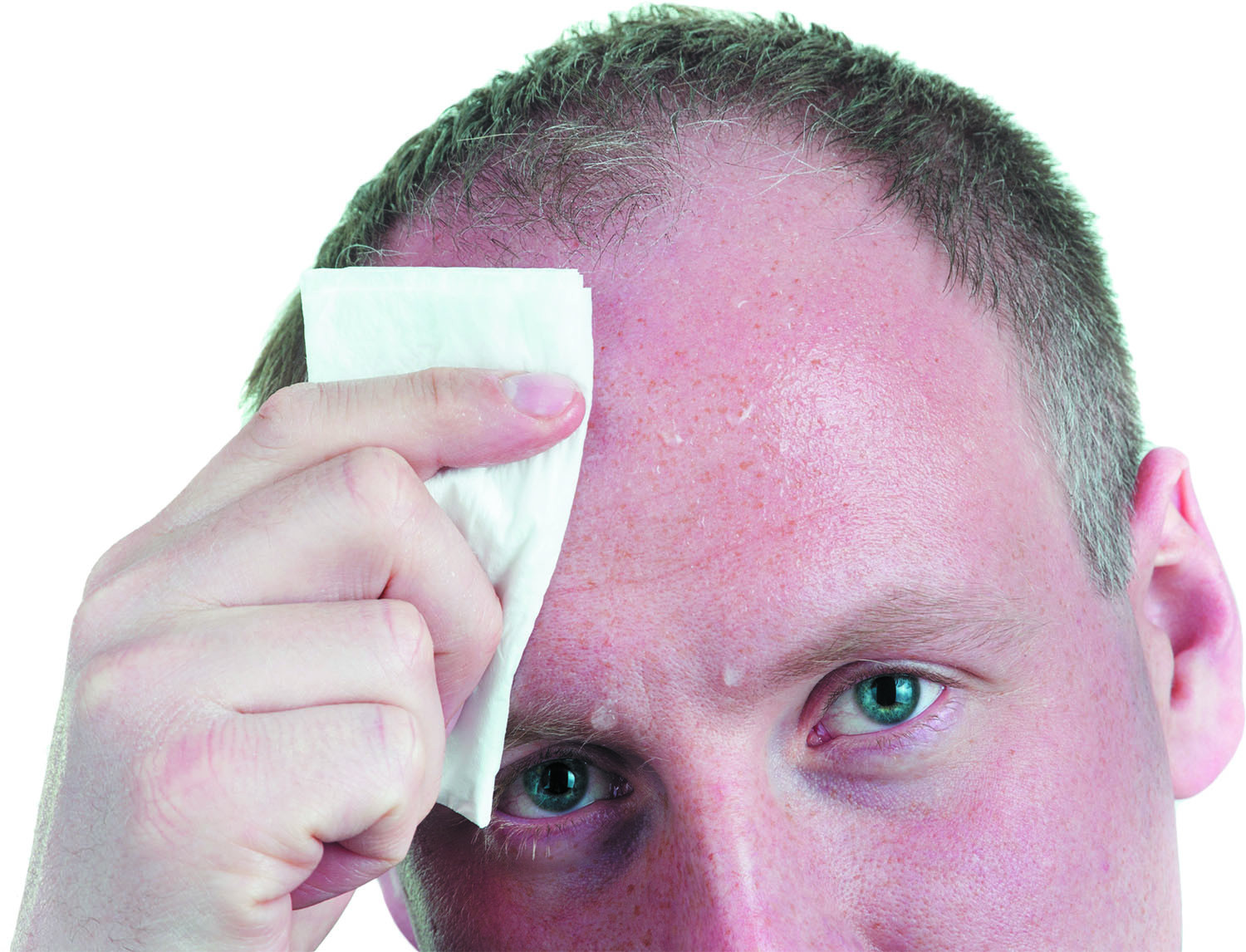
When is heavy sweating a problem?
On call
Image: © EunikaSopotnicka/Thinkstock
Q. I've noticed recently that I sweat excessively, regardless of the temperature. Should I be concerned?
A. Your genes can determine whether you sweat a lot, but a sudden change in your regular sweating may suggest an underlying condition. Sweating is regulated by your nervous system and can be triggered by a number of causes. The primary signal for perspiration originates in the brain in response to a temperature-related or emotional cue, and then is carried by the autonomic nervous system to the sweat glands in the skin.
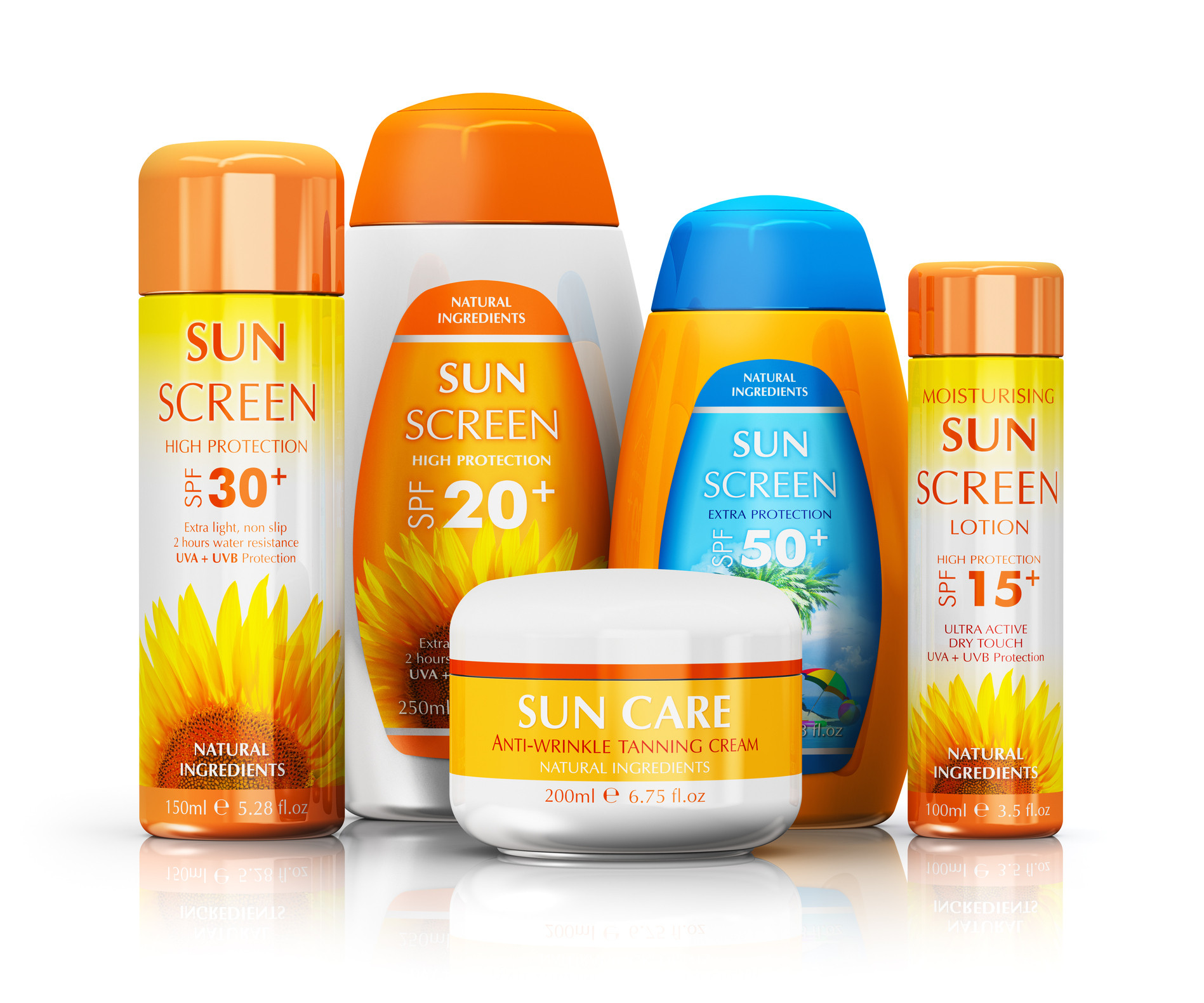

Which is best for optimal sun protection — sprays or lotions?
On call
Q. I have a history of skin cancer, so I am careful with my sunscreen application. I recently heard that I should avoid spray sunscreens. Is that true?
A. Sunscreen use is highly recommended to help prevent skin damage from sun exposure. Spray sunscreens are popular because they are easy to apply and help cover hard-to-reach areas like the back and shoulders. However, they do raise a few concerns. One is the chance of inhaling some of the sunscreen ingredients or its propellant. The health risk from this is uncertain, but it may trigger asthma in susceptible men. The FDA has not specifically determined the health risks of inhaling sunscreen sprays, but recently advised not to use them near your face.
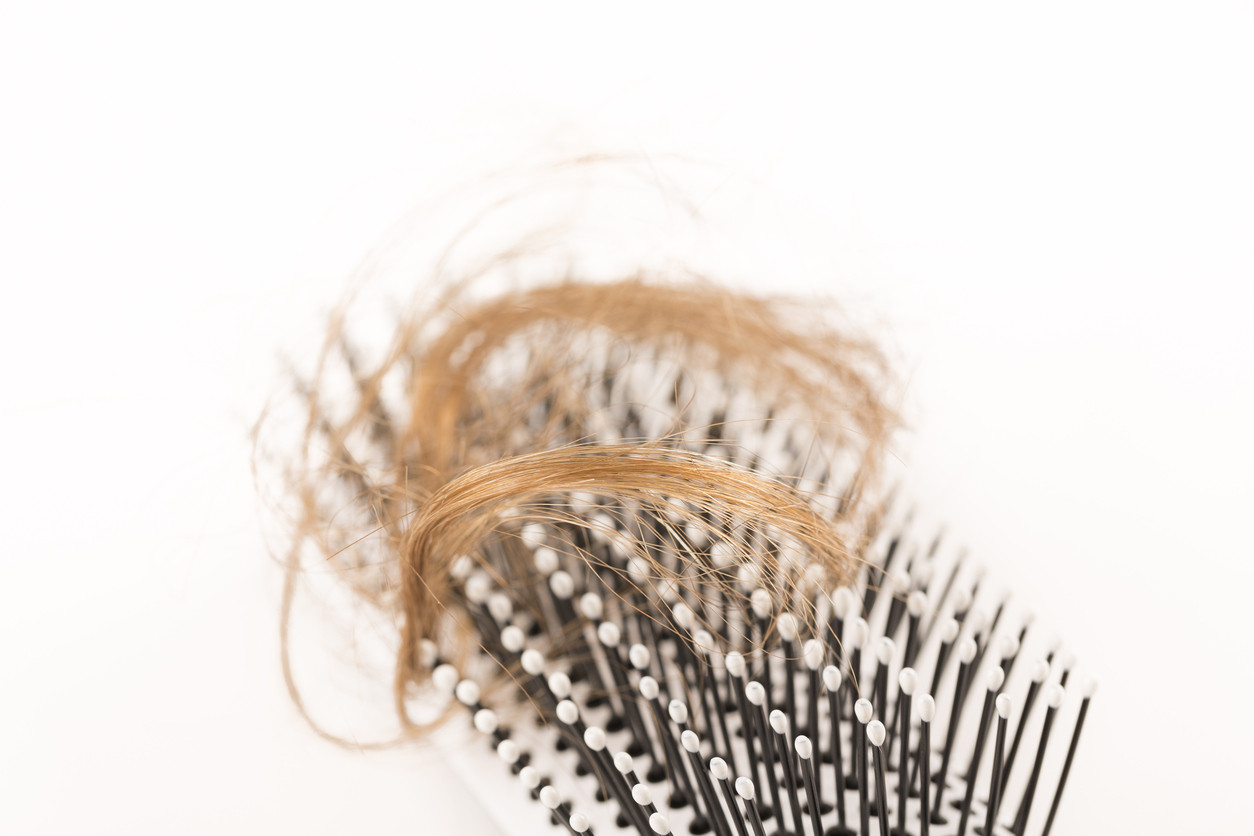
Why do I lose a lot of hair each fall?
Ask the doctors
Q. I have fairly thick hair in the summer, but it seems to thin out in late fall. Is there anything I can do now to prevent losing hair in a few months?
A. Sadly, no. What you've experienced is common to all of us. On average, about 90% of the hairs on our heads are in the growing phase and about 10% are in the resting phase. After a few months in the resting phase, the hairs are shed. It's normal to shed up to 100 hairs a day.

Do gel manicures increase cancer risk?
Ask the doctors
Image: © Click_and_Photo/Thinkstock
Q. I like gel manicures because the polish doesn't chip easily, but I've heard that they may cause cancer. Is this true?
A. The gel polish itself hasn't been associated with an increased risk of cancer. However, lamps and light boxes, which are used to seal the polish during professional manicures, have raised concern. That's because many emit fairly high levels of UVA radiation, which plays a major role in the development of cancer. The level of risk depends on the frequency of manicures. A 2014 study in JAMA Dermatology indicated that the level of UVA exposure associated with a gel manicure every two weeks probably isn't high enough to increase the risk of skin cancer significantly.

Finding “ugly ducklings” may help detect melanoma
Research we're watching
Image: © Igor Gratzer/Thinkstock
In Hans Christian Andersen's classic fairy tale, the ugly duckling stands out from the flock because he's destined to become a swan. In dermatology, the "ugly duckling" is a mole that doesn't look like the rest of the moles on a person's body, and is often suspected to be a melanoma.
A team of French researchers decided to test whether finding an ugly duckling among all of a patient's moles is as effective a way of identifying melanoma as applying diagnostic criteria — like size, shape, color, and irregularity — to each mole separately. For the study, nine dermatologists studied images of 2,089 individual moles from 80 people. The images were presented to the dermatologists two different ways on two different days. On one day, they evaluated each image separately; on another, they looked for the ugly ducklings among the complete set of moles from each patient. They were able to flag the melanomas accurately both times. However, they were able to decrease the number of moles biopsied when they used the ugly duckling system.

What is the best way to treat severe dandruff?
On call
Q. I have had a dandruff problem for years. I have tried selenium and zinc shampoos, as well as ketoconazole shampoo. Nothing has worked. Are there other options?
A. Dandruff, which is a chronic skin condition known as seborrheic dermatitis of the scalp, can range from a minor irritant to a severe rash of the entire scalp.

Ask the doctor: Does psoriasis raise diabetes risk?
Some experts feel there is evidence that probiotics may help prevent or treat several conditions, such as inflammatory bowel diseases, travelers’ diarrhea, irritable bowel syndrome, and some allergies (particularly eczema).
When You Visit Your Doctor Acne
Acne
Questions to Discuss with Your Doctor:
- At what age did your problem with acne begin?
- Do you have blackheads, whiteheads, pustules, or cysts?
- If so, what areas are involved: your face, chest, back?
- What is your skin-care routine?
- What products do you use? Do any of them help?
- What medications have you tried (e.g., benzoyl peroxide, Retin-A, antibiotics, Accutane)?
- If you are female, does your acne get worse around the time of your menstrual period and do you have regular menstrual periods?
- What medicines do you take, including over-the-counter medicines and birth-control pills?
- Have you been developing extra body or facial hair?
Your Doctor Might Examine the Following Body Structures or Functions:
- Skin exam
Your Doctor Might Order the Following Lab Tests or Studies:
- Blood tests (liver function tests, cholesterol, or if you are female, perhaps a pregnancy test if you are taking the medicine Accutane)
When You Visit Your Doctor - Rash
Rash
Questions to Discuss with Your Doctor:
- How long have you had the rash?
- Where did it start?
- Has it spread?
- Is the rash only on parts of your skin that have been exposed to the sun?
- Does it itch or hurt?
- Is the rash red, pink, or purple?
- Is the rash smooth or bumpy?
- Have you had sores in your mouth, eyes, or other mucous membranes?
- Have you had blisters on your skin?
- Have you had trouble breathing?
- Have you had a fever?
- Have you symptoms of an upper respiratory tract infection (for example, a cold)?
- Have you had vomiting or diarrhea?
- Are you taking any prescription drugs, over-the-counter drugs, herbs, or supplements? Did you start any of them in the past two months?
- Have you had any new exposures to foods or chemicals?
- Any exposure to insects?
- Have you had any recent sun exposure?
Your Doctor Might Examine the Following Body Structures or Functions:
- Temperature
- Examination of your skin, mouth, eyes, mucous membranes, lymph nodes, liver, and spleen
Your Doctor Might Order the Following Lab Tests or Studies:
- Skin scrapings for microscopic analysis or culture (if the rash looks infectious)
- Complete blood cell count or other blood tests (if you appear sick or have a fever)
- Skin biopsy
Hip bursitis vs. arthritis: How to tell the difference
Fitness for longevity: Which type matters most?
Ministrokes linked to elevated risk of dementia
Continuous glucose monitors benefit people who don't need insulin
CoQ10: Should you take this popular supplement if you're on a statin?
Microplastics: A hidden health threat?
Oat vs. dairy milk: Nutrition, benefits, and downsides
What is tempeh? Benefits, nutrition, and how to use it
Healing after food poisoning
Whole grains may improve several heart risk factors at once
Free Healthbeat Signup
Get the latest in health news delivered to your inbox!
Sign Up
