

Hip bursitis vs. arthritis: How to tell the difference

Fitness for longevity: Which type matters most?

Ministrokes linked to elevated risk of dementia

Continuous glucose monitors benefit people who don't need insulin

CoQ10: Should you take this popular supplement if you're on a statin?

Microplastics: A hidden health threat?

Oat vs. dairy milk: Nutrition, benefits, and downsides

What is tempeh? Benefits, nutrition, and how to use it

Healing after food poisoning

Whole grains may improve several heart risk factors at once
Skin Cancer Archive
Articles

Why do I burn even if I'm slathered in sunscreen?
People can get sunburned even with sunscreen on, particularly if they use old sunscreen or certain drugs and skin care products that leave skin vulnerable. People should stay out of the sun at midday, wear a hat and sunglasses, and frequently apply sunscreen with SPF 30 or higher.

Why do I itch more at night?
Nighttime skin itching can stem from dry skin, hormone changes, certain medications and skin care products, and rarely, a more serious illness. It can help to change bedding or pajamas, take short baths or showers, apply moisturizer liberally, and use a humidifier.

How can I heal my dry hands?
Frequent handwashing may lead to dry, cracked skin. Strategies such as lowering the water temperature and moisturizing with a heavy hand cream after washing can allow the skin to heal. Also try wearing cotton gloves over a thick moisturizer at night.

Home screening options for colorectal cancer
There are several at-home screening tests for colorectal cancer. The most accurate are a fecal immunochemical test (FIT) and a multitarget stool DNA (mt-sDNA) test (Cologuard), also known as a FIT-DNA test. The FIT test uses antibodies to detect blood in stool, and must be done once a year. The FIT-DNA test can identify DNA from cancer cells in the stool and also has a FIT component to look for blood. This test may be repeated once every three years.
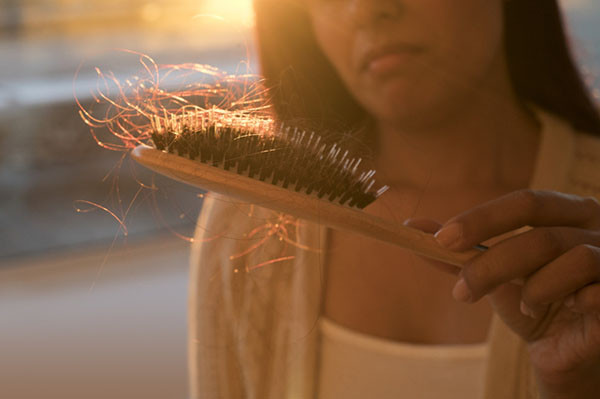
What is alopecia areata and how is it managed?
Hair loss is a common problem for many men and women, but what does it mean to have alopecia? Alopecia areata occurs when the body's immune system attacks hair follicles, resulting in hair loss. AA can affect the scalp, eyebrows, eyelashes, or anywhere hair grows on the body.

New Harvard tool helps fact-check cancer claims
Scary or misleading claims about things that may cause cancer are so plentiful that it's hard to know which ones to take seriously. A new website developed by experts aims to provide reliable information about whether a particular cancer claim is true.

When is a drug rash more than just a rash?
Rashes are a common side effect of many medications, and while they can be annoying, they typically run their course over a week or two. But not all drug rashes are mild — and some can even be deadly. How can you tell a serious rash from one that is just a nuisance?

Unique blood test may offer a speedier cancer diagnosis
A groundbreaking blood test might someday identify cancer in people with unexplained but worrisome symptoms like unexplained weight loss, frequent fatigue, constant nausea, and new pain.


Can your diet protect against cancer?
Following a plant-based eating pattern, such as a vegetarian, vegan, or Mediterranean diet, helps manage cholesterol and lower the risk for heart disease. Studies have suggested that some elements of these diets also help protect against cancer, although the best approach is unclear. Experts suggest embracing an overall healthy diet that includes various fruits and vegetables, along with legumes and whole grains, along with cutting down on red meat, processed foods, and sugar-sweetened beverages.
Hip bursitis vs. arthritis: How to tell the difference
Fitness for longevity: Which type matters most?
Ministrokes linked to elevated risk of dementia
Continuous glucose monitors benefit people who don't need insulin
CoQ10: Should you take this popular supplement if you're on a statin?
Microplastics: A hidden health threat?
Oat vs. dairy milk: Nutrition, benefits, and downsides
What is tempeh? Benefits, nutrition, and how to use it
Healing after food poisoning
Whole grains may improve several heart risk factors at once
Free Healthbeat Signup
Get the latest in health news delivered to your inbox!
Sign Up
