

Hip bursitis vs. arthritis: How to tell the difference

Fitness for longevity: Which type matters most?

Ministrokes linked to elevated risk of dementia

Continuous glucose monitors benefit people who don't need insulin

CoQ10: Should you take this popular supplement if you're on a statin?

Microplastics: A hidden health threat?

Oat vs. dairy milk: Nutrition, benefits, and downsides

What is tempeh? Benefits, nutrition, and how to use it

Healing after food poisoning

Whole grains may improve several heart risk factors at once
Sleep hygiene Archive
Articles

Does sleeping with an eye mask improve learning and alertness?
Our internal clocks regulate the sleep-wake cycle, and light establishes when we should feel wakeful or sleepy. Light exposure at night affects these natural processes, so researchers studied whether wearing an eye mask while sleeping might help learning and alertness.

Poor sleep linked to next-day episodes of atrial fibrillation
When people with atrial fibrillation sleep poorly, they may be more likely to have an episode of atrial fibrillation the next day, according to a 2023 study.

Bad bedfellows
The use of sleep tracking devices is increasing, but using a sleep tracker can contribute to anxiety and insomnia. Data from the device can influence how a person feels after awakening, even if the data aren't accurate. Sleep trackers can make people more aware of their sleep patterns and potentially help identify sleep disorders, but the data generated can be confusing and lead people to ignore how they feel after sleeping. A special form of cognitive behavioral therapy called CBTi is designed to improve insomnia and anxiety around sleep.

Ovary removal before menopause may pose health risks
A 2023 study suggests that women who have both ovaries removed before menopause face higher odds of several health conditions, including arthritis, sleep apnea, and bone fractures.

Poor sleep linked to high blood pressure
In women, sleep problems-including falling asleep, staying asleep, and insufficient sleep-were associated with a greater risk of high blood pressure.

Tips to navigate a "sleep divorce"
Some couples find that sleeping in separate rooms helps them get a better night's sleep. But before trying it, it's important to consider compromises to stay in the same room. For example, if one person snores, a doctor visit might be in order, and the other person might try wearing earplugs to better tolerate the sound. If separate bedrooms are the answer, it helps to make both sleeping spaces cozy, schedule time for intimacy, and regularly assess whether the arrangement is working for both partners.

How to lower your dementia risk
An estimated 3% of adults ages 65 and older currently have dementia, and that proportion rises substantially as people age. The most convincing evidence for reducing one's risk relates to the basic foundations for an overall healthy lifestyle: aerobic exercise, a plant-based diet, and quality sleep. Aerobic exercise helps reduce the buildup of toxic proteins in the brain and improves blood flow, a plant-based diet can manage inflammation, and quality sleep helps the brain clear out harmful proteins.

CPAP machines and masks: Which ones are right for you?
Continuous positive airway pressure (CPAP) is a first-line treatment for people with obstructive sleep apnea. The CPAP keeps the airway open by pushing a forceful stream of air through a tube and into a mask worn during sleep. The air comes from a small bedside pump (an air compressor). Other forms of positive airway pressure (PAP) may be helpful for people with central sleep apnea. Doctors determine which type of PAP therapy and device someone needs. Patients select the type of PAP mask to use with the system.

8 secrets to a good night's sleep
Tired of feeling tired? Here are some simple tips to help you get to sleep.
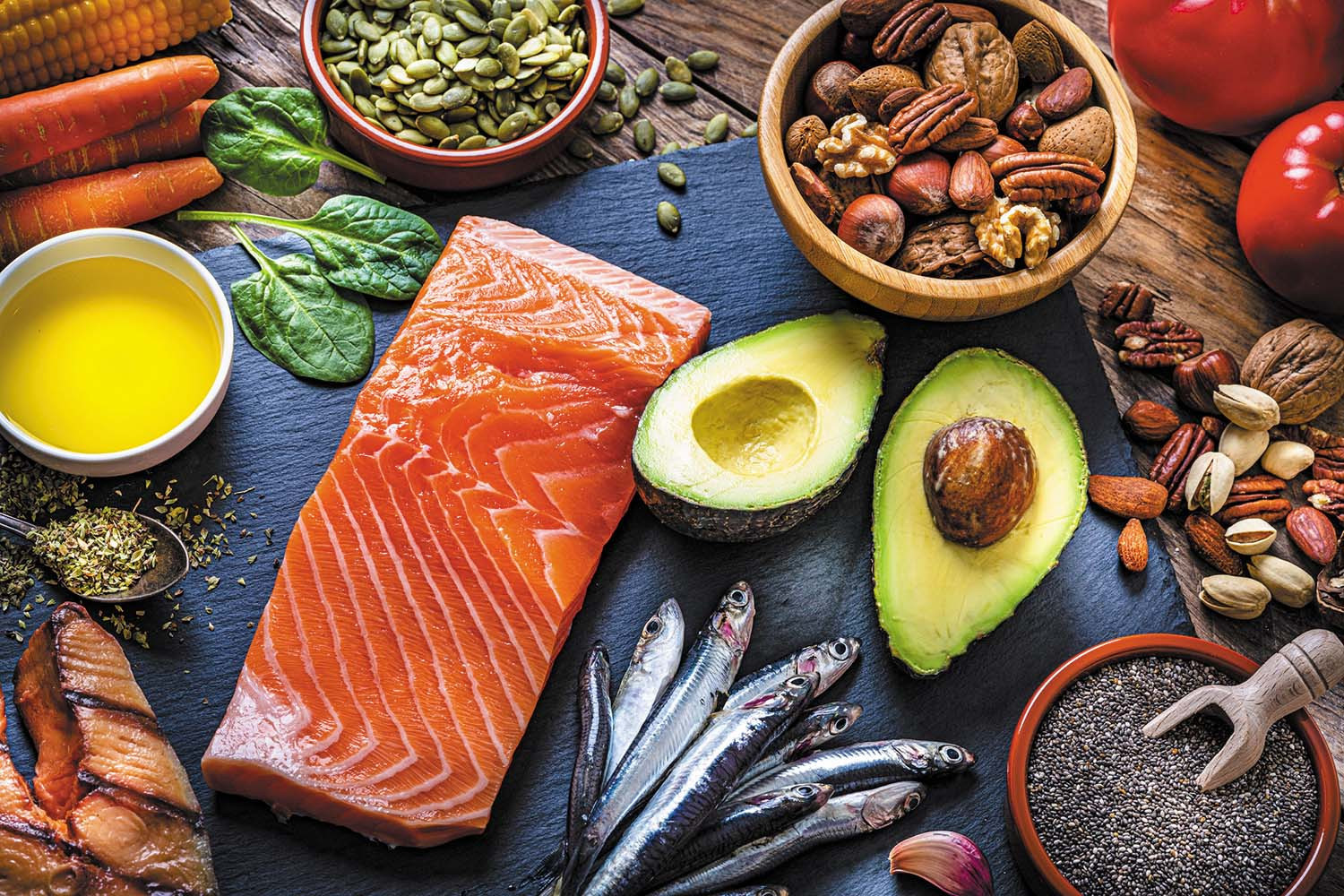
UK study confirms Mediterranean lifestyle benefits
A 2023 study of about 110,000 people in the United Kingdom suggested that those who most adhered to a Mediterranean lifestyle had a 28% lower risk of dying from cancer and a 29% lower risk of dying prematurely from any cause, compared with those who least adhered to the lifestyle.
Hip bursitis vs. arthritis: How to tell the difference
Fitness for longevity: Which type matters most?
Ministrokes linked to elevated risk of dementia
Continuous glucose monitors benefit people who don't need insulin
CoQ10: Should you take this popular supplement if you're on a statin?
Microplastics: A hidden health threat?
Oat vs. dairy milk: Nutrition, benefits, and downsides
What is tempeh? Benefits, nutrition, and how to use it
Healing after food poisoning
Whole grains may improve several heart risk factors at once
Free Healthbeat Signup
Get the latest in health news delivered to your inbox!
Sign Up
