

Hip bursitis vs. arthritis: How to tell the difference

Fitness for longevity: Which type matters most?

Ministrokes linked to elevated risk of dementia

Continuous glucose monitors benefit people who don't need insulin

CoQ10: Should you take this popular supplement if you're on a statin?

Microplastics: A hidden health threat?

Oat vs. dairy milk: Nutrition, benefits, and downsides

What is tempeh? Benefits, nutrition, and how to use it

Healing after food poisoning

Whole grains may improve several heart risk factors at once
Sleep hygiene Archive
Articles

Can hot baths protect your heart?
News briefs
Taking a warm bath helps soothe aching joints, wash away stress, and promote sleep. Now, a study published online March 24, 2020, by the journal Heart suggests that daily hot baths are also associated with better heart health. Researchers analyzed self-reported health and lifestyle information from more than 30,000 middle-aged people in Japan. Participants responded to a questionnaire at the start of the study and were then followed for about 20 years. Compared with people who didn't take a tub bath more than twice a week, people who took a daily warm or hot bath had a 28% lower risk of cardiovascular disease and a 26% lower risk of stroke. The study is only observational and doesn't prove that daily tub bathing staves off heart problems. But previous research has shown that the effects of tub bathing on the body are similar to those of exercise. Use caution, however: taking baths in very hot water is also tied to sudden death due to overheating, confusion, or drowning. If you're going to take a bath, keep the temperature comfortable and don't risk overheating. Finally, this study says nothing about the possible cardiovascular benefits of hot showers.
Image: © JohnnyGreig/Getty Images
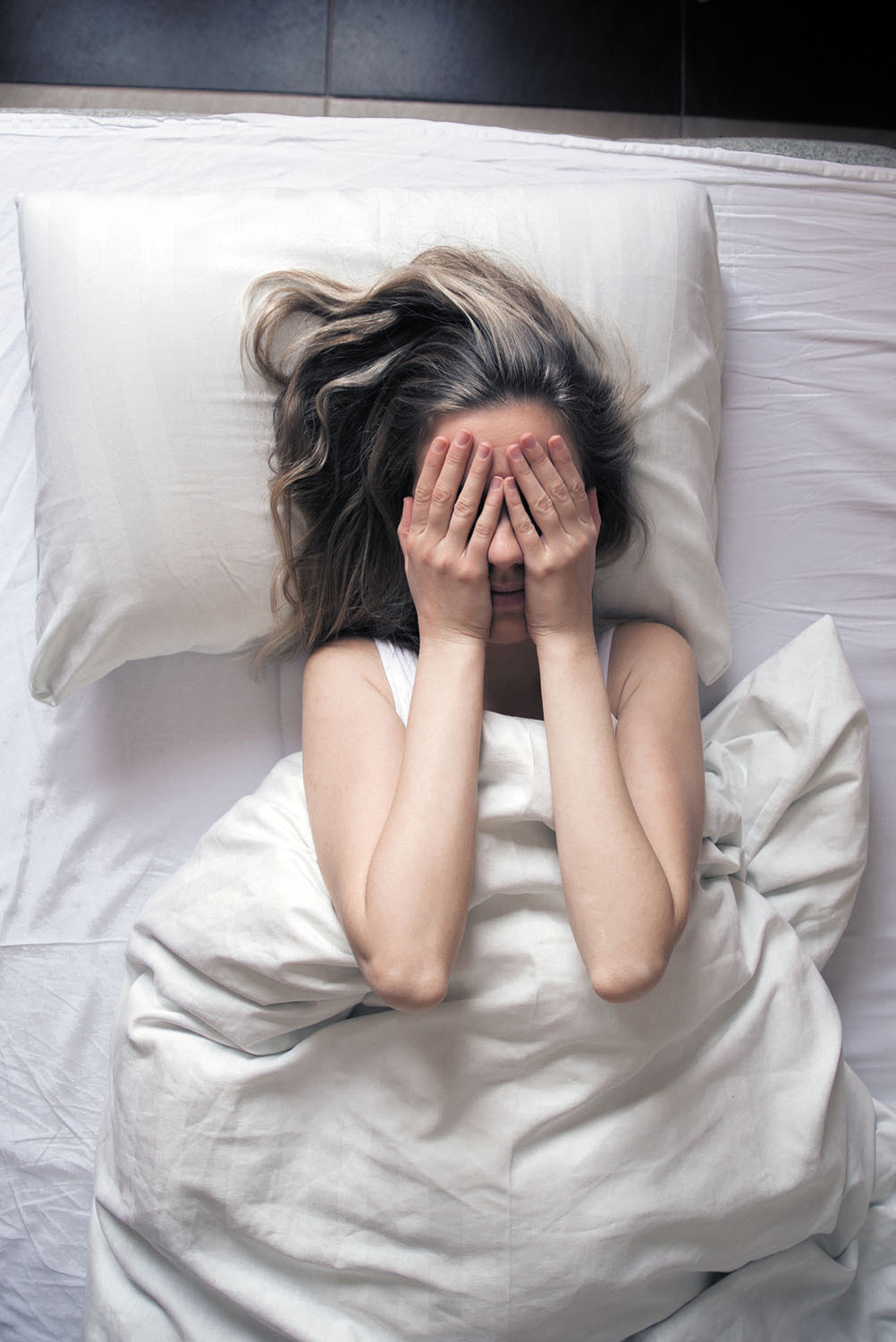
In search of sleep
Many women making the transition to menopause have trouble sleeping. Several strategies can help you get the rest you need.
If you're a woman of a certain age and you often find yourself staring at the ceiling in the middle of the night, you're not alone. The years leading up to menopause and the period that immediately follows are the times that women are most likely to report problems sleeping, according to the National Sleep Foundation. Many different conditions that are common in this stage of life — including hot flashes, obstructive sleep apnea, and mood disorders such as depression or anxiety — can cause sleep problems.
Lack of sleep is more than just a nuisance. "We now understand that high-quality sleep is absolutely vital to good health," says Dr. JoAnn E. Manson, the Michael and Lee Bell Professor of Women's Health at Harvard Medical School. This means that seeking care should be a priority if you are experiencing problems.
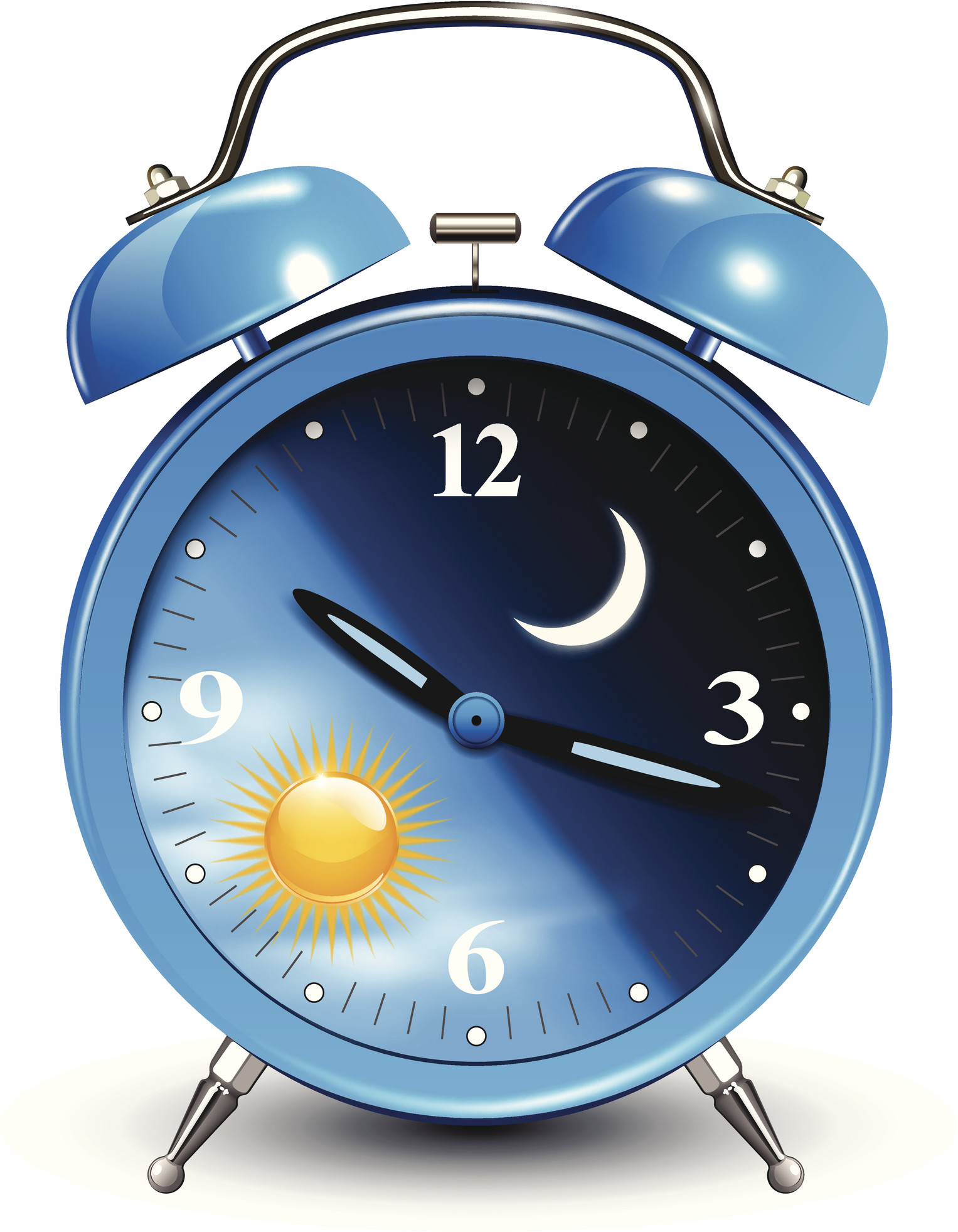
Why your sleep and wake cycles affect your mood
The body’s circadian rhythm controls our sleep-wake cycle, so an irregular rhythm can negatively affect sleep and proper functioning, which can lead to health problems including mood disorders. The tendency to rise early or stay up late is genetically determined, but you may be able to adjust your life to better match your circadian rhythm.

5 ways to prevent a heart attack
These are the most effective ways to protect yourself.
Here are some alarming statistics about heart attacks:
- Every 40 seconds, someone in the United States has a heart attack.
- Every year, about 805,000 Americans have heart attacks, 75% of which are first-time attacks.
- The average age of a first heart attack among men: 65.
However, the most troubling fact about heart attacks is that many people don't take steps to protect themselves, says Dr. Deepak L. Bhatt, executive director of interventional cardiovascular programs at Harvard-affiliated Brigham and Women's Hospital Heart & Vascular Center. "Reducing your risk of cardiovascular disease is the best way to guard against heart attacks," he says. "There are simple ways to do this, but unfortunately, many people still don't follow them as they should."
Here's a look at five ways you can protect yourself from cardiovascular disease, and thus possible heart attacks, and avoid being another statistic.

7 common causes of forgetfulness
Memory slips are aggravating, frustrating, and sometimes worrisome. When they happen more than they should, they can trigger fears of looming dementia or Alzheimer’s disease. But there are some treatable causes of forgetfulness.

Will a good night’s sleep help my heart?
Millions of Americans have trouble sleeping, a factor that is key to cardiovascular health. Two recent studies examined the relationship between sleep and heart health, and between sleep and dietary choices.

Older adults and medical marijuana: Reduced stigma and increased use
Cannabis use among older adults has been steadily increasing, due to lessening stigma and increased interest in using medical marijuana. But there are specific concerns for older people, so anyone considering this option should have a conversation with their doctor weighing the benefits and risks.

Strategies to promote better sleep in these uncertain times
In these challenging times it’s normal to experience sleep problems. Because proper sleep is so important to well-being, here are some tips for improving sleep — actions you can take both during the day and at night.

5 steps to long-lasting independent living
Here's how to maintain your current active lifestyle.
Older adults want to enjoy their independent living as long as possible. Yet this can become a challenge as people face more health issues.
"Most life changes that cause older adults to lose some or all of their independence occur either gradually or suddenly," says Dr. Jennifer Rhodes-Kropf, a primary care geriatrician at Harvard-affiliated Hebrew SeniorLife's Center Communities of Brookline, Mass. "You need to stay on top of critical areas that can jeopardize your health and lifestyle."

Too early to get up, too late to get back to sleep
Sleep-maintenance insomnia common complaint among women at midlife
You wake up and look at the clock: it's 3 a.m. You tell yourself you've got to get back to sleep, but thoughts about yesterday's troubles, the coming day's challenges, and all those "must-do's" race through your mind. You toss and turn and worry about not getting enough sleep. Maybe you doze off for an hour or so, but when the alarm clock gets you up for the day, you're far from rested.
Insomnia — inability to get the sleep you need to wake up refreshed — is the most common sleep complaint in the United States. It often takes the form of sleep-maintenance insomnia — that is, difficulty staying asleep, and in particular, waking too early and struggling to get back to sleep. Like difficulty falling asleep at the beginning of the night, called sleep-onset insomnia, sleep-maintenance insomnia is more common in women than in men.
Hip bursitis vs. arthritis: How to tell the difference
Fitness for longevity: Which type matters most?
Ministrokes linked to elevated risk of dementia
Continuous glucose monitors benefit people who don't need insulin
CoQ10: Should you take this popular supplement if you're on a statin?
Microplastics: A hidden health threat?
Oat vs. dairy milk: Nutrition, benefits, and downsides
What is tempeh? Benefits, nutrition, and how to use it
Healing after food poisoning
Whole grains may improve several heart risk factors at once
Free Healthbeat Signup
Get the latest in health news delivered to your inbox!
Sign Up
