

Hip bursitis vs. arthritis: How to tell the difference

Fitness for longevity: Which type matters most?

Ministrokes linked to elevated risk of dementia

Continuous glucose monitors benefit people who don't need insulin

CoQ10: Should you take this popular supplement if you're on a statin?

Microplastics: A hidden health threat?

Oat vs. dairy milk: Nutrition, benefits, and downsides

What is tempeh? Benefits, nutrition, and how to use it

Healing after food poisoning

Whole grains may improve several heart risk factors at once
Sleep medications and supplements Archive
Articles
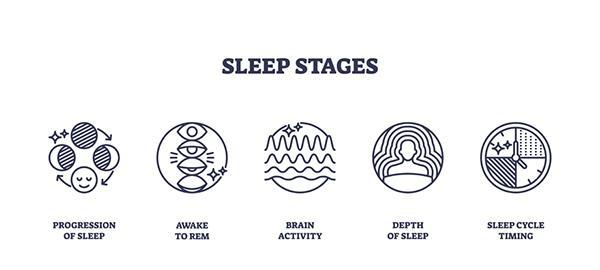
What is "sleep architecture?"
Sleep architecture is the pattern and sequence of sleep cycles and stages. People cycle through four to six periods of light and deep sleep each night. Aging, stress, illness, and alcohol consumption can influence people’s sleep architecture.
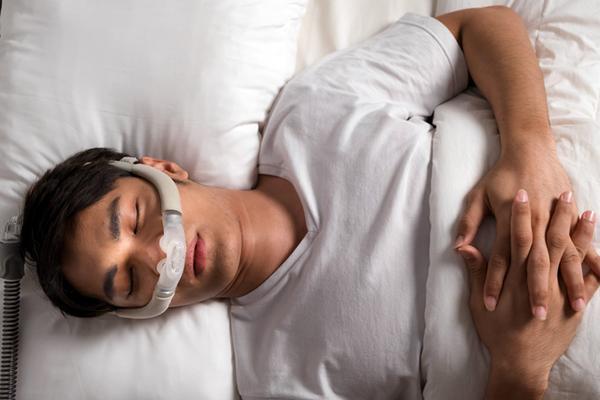
Is there a link between type 2 diabetes and sleep apnea?
Type 2 diabetes and sleep apnea often occur together, especially in people with extra weight. Learn how one condition may influence the other.
Could my dizzy spells be caused by melatonin?
Sudden spells where the world flips and blurs can be alarming. Explore possible causes, from inner ear issues to your nighttime sleep supplement.
Can alcohol before bed help you sleep?
A drink before bed may seem like a good idea, but its hidden effects on your brain, heart, and breathing can ruin your night's sleep.
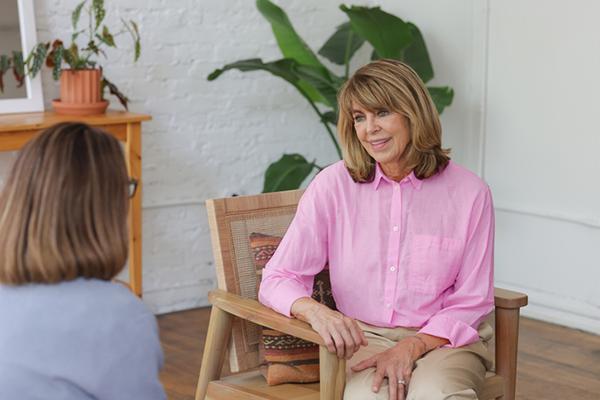
What is CBT-i?
Cognitive behavioral therapy for insomnia (CBT-i) identifies and challenges thoughts about sleep that make it more difficult, eradicates bedroom activities other than sleep and sex, limits the time spent in bed to increase the drive to sleep, and teaches relaxation techniques.

5 simple ways to improve gut health
Gut health plays a bigger role in overall well-being than many people realize, affecting digestion, mood, and immunity. Simple daily choices around food, movement, sleep, stress, and hydration can support a healthier, more resilient gut.
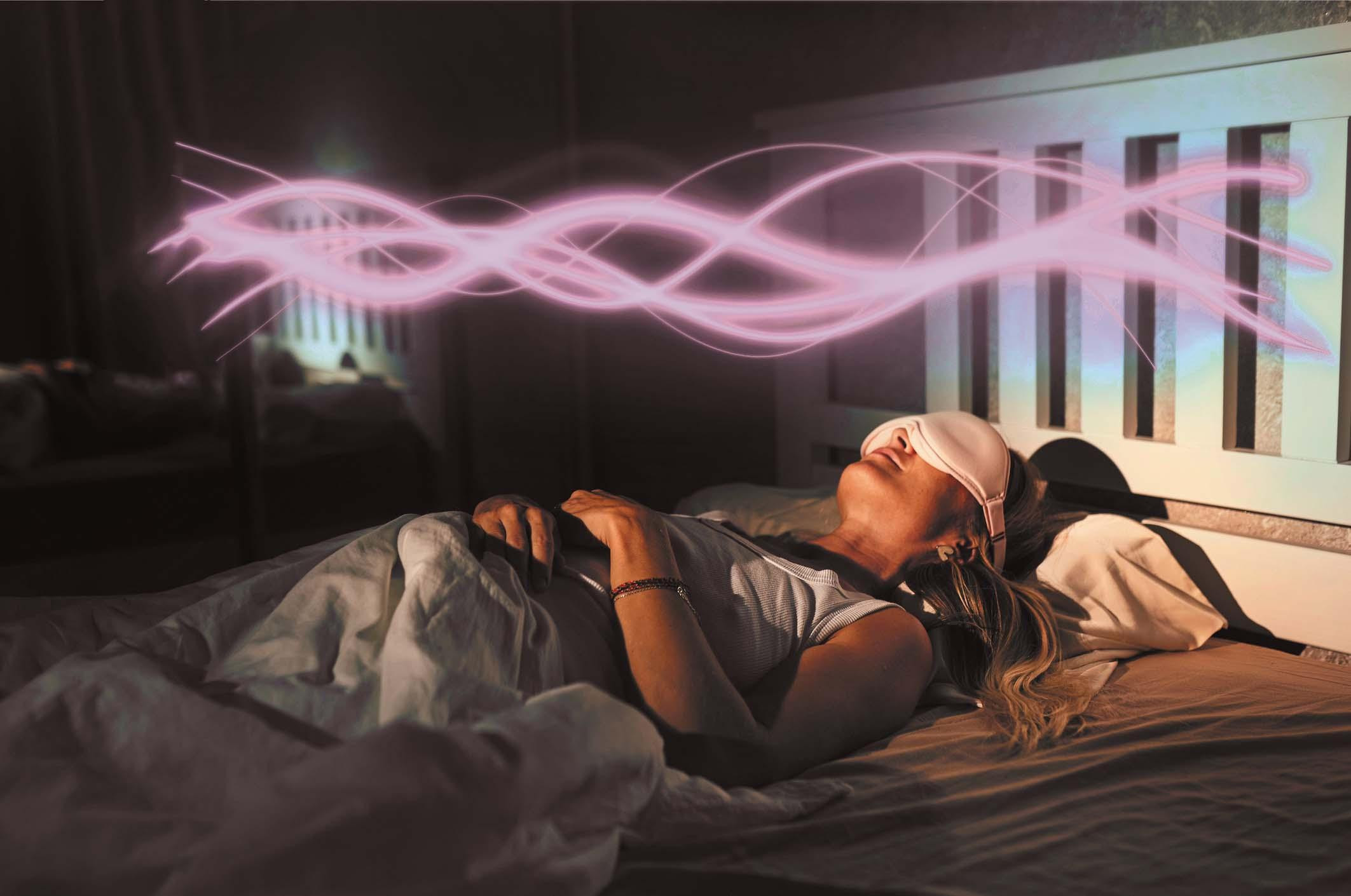
How noise "colors" might help - or even hurt - your sleep
Many people turn to gentle background sounds - like a fan or falling rain - to help them drift off, but not all noise "colors" affect sleep the same way. Research on white, pink, and brown noise is mixed, and experts still emphasize good overall sleep habits first.
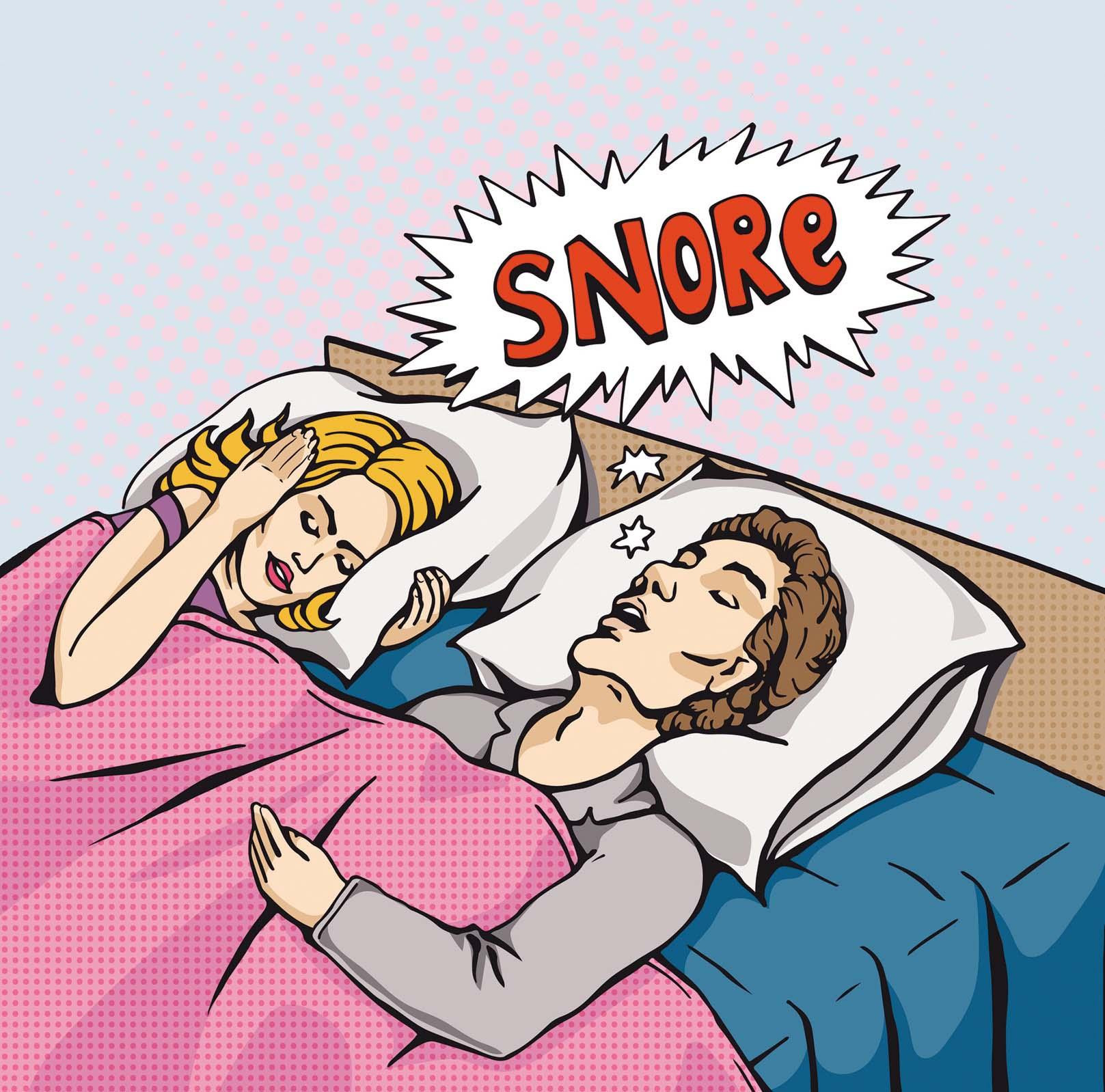
Do products that claim to stop your snoring actually work?
Snoring can strain sleep and relationships, but certain devices and habits may help. Positional aids, oral appliances, and lifestyle changes sometimes reduce noise, while persistent or severe symptoms warrant a medical check to rule out conditions like sleep apnea.
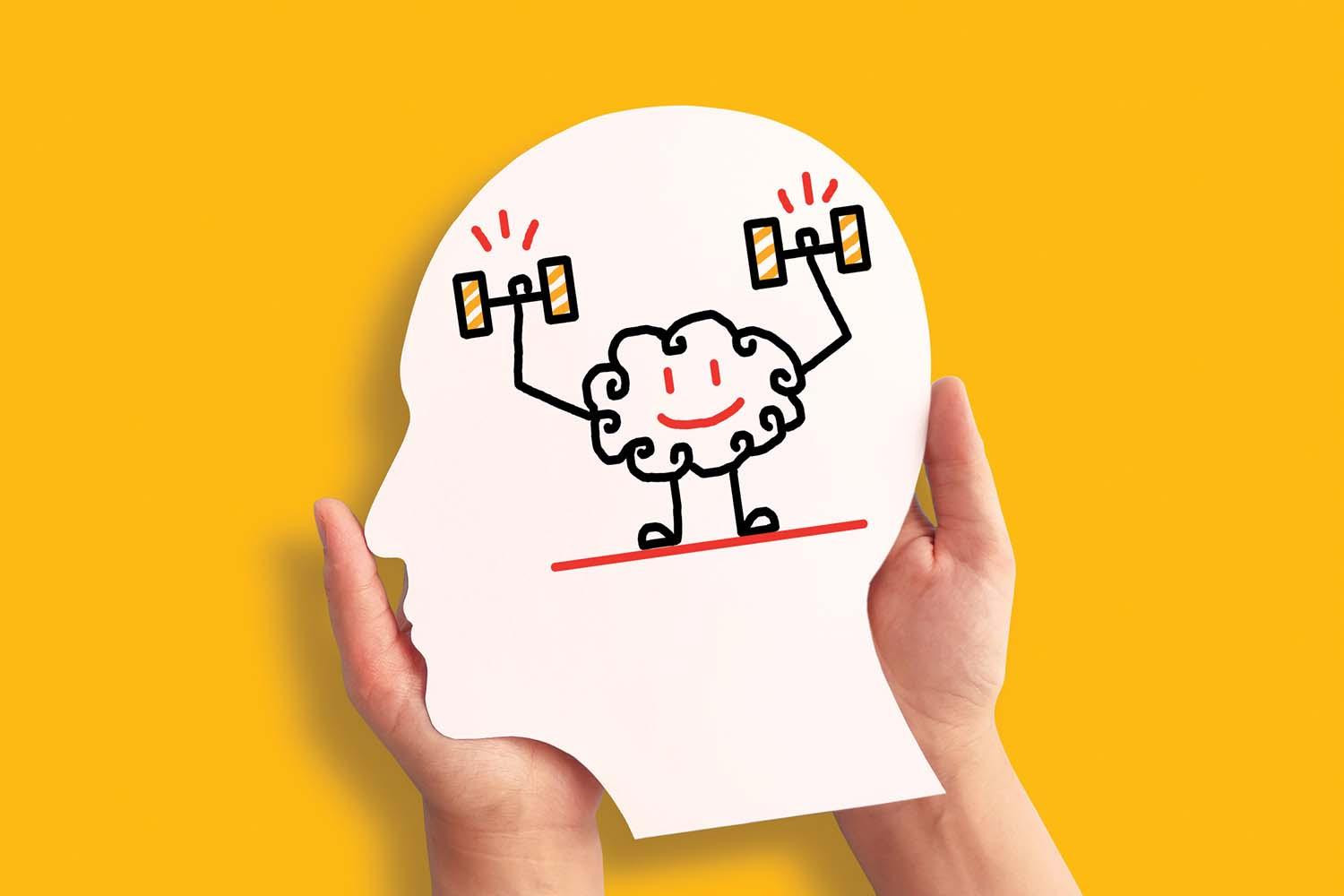
Boost your cognitive fitness in the new year
The new year is a good time to focus on cognitive fitness. Exercise, healthy eating, mental challenges, good sleep, controlling stress, and social engagement support neuroplasticity and help keep thinking and memory sharp.
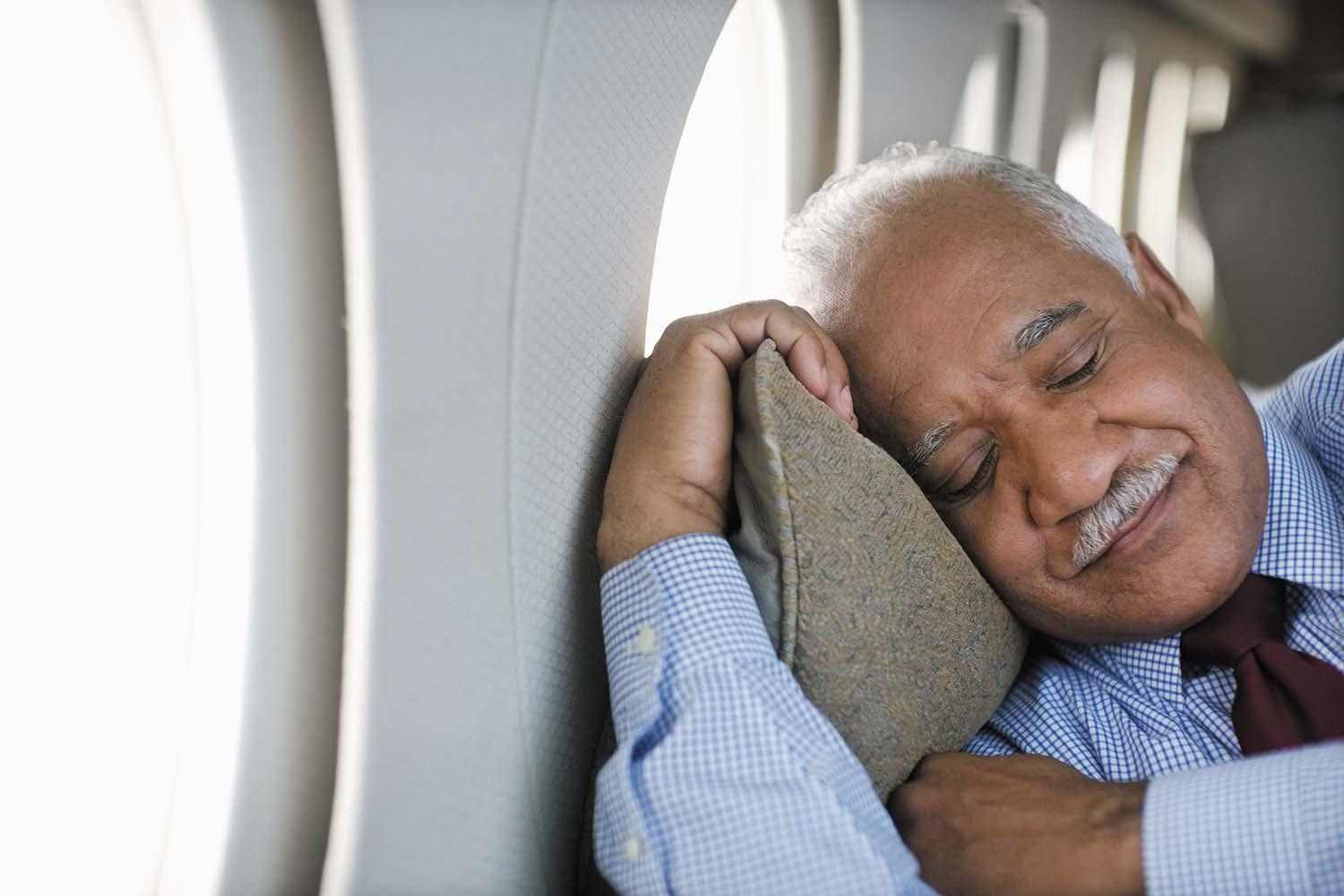
Tips to master the power nap
A power nap lasts anywhere from 10 to 30 minutes. The shut-eye can effectively increase alertness and focus, enhance mood, reduce fatigue, and possibly support work performance.
Hip bursitis vs. arthritis: How to tell the difference
Fitness for longevity: Which type matters most?
Ministrokes linked to elevated risk of dementia
Continuous glucose monitors benefit people who don't need insulin
CoQ10: Should you take this popular supplement if you're on a statin?
Microplastics: A hidden health threat?
Oat vs. dairy milk: Nutrition, benefits, and downsides
What is tempeh? Benefits, nutrition, and how to use it
Healing after food poisoning
Whole grains may improve several heart risk factors at once
Free Healthbeat Signup
Get the latest in health news delivered to your inbox!
Sign Up
