

Hip bursitis vs. arthritis: How to tell the difference

Fitness for longevity: Which type matters most?

Ministrokes linked to elevated risk of dementia

Continuous glucose monitors benefit people who don't need insulin

CoQ10: Should you take this popular supplement if you're on a statin?

Microplastics: A hidden health threat?

Oat vs. dairy milk: Nutrition, benefits, and downsides

What is tempeh? Benefits, nutrition, and how to use it

Healing after food poisoning

Whole grains may improve several heart risk factors at once
Sleep Archive
Articles
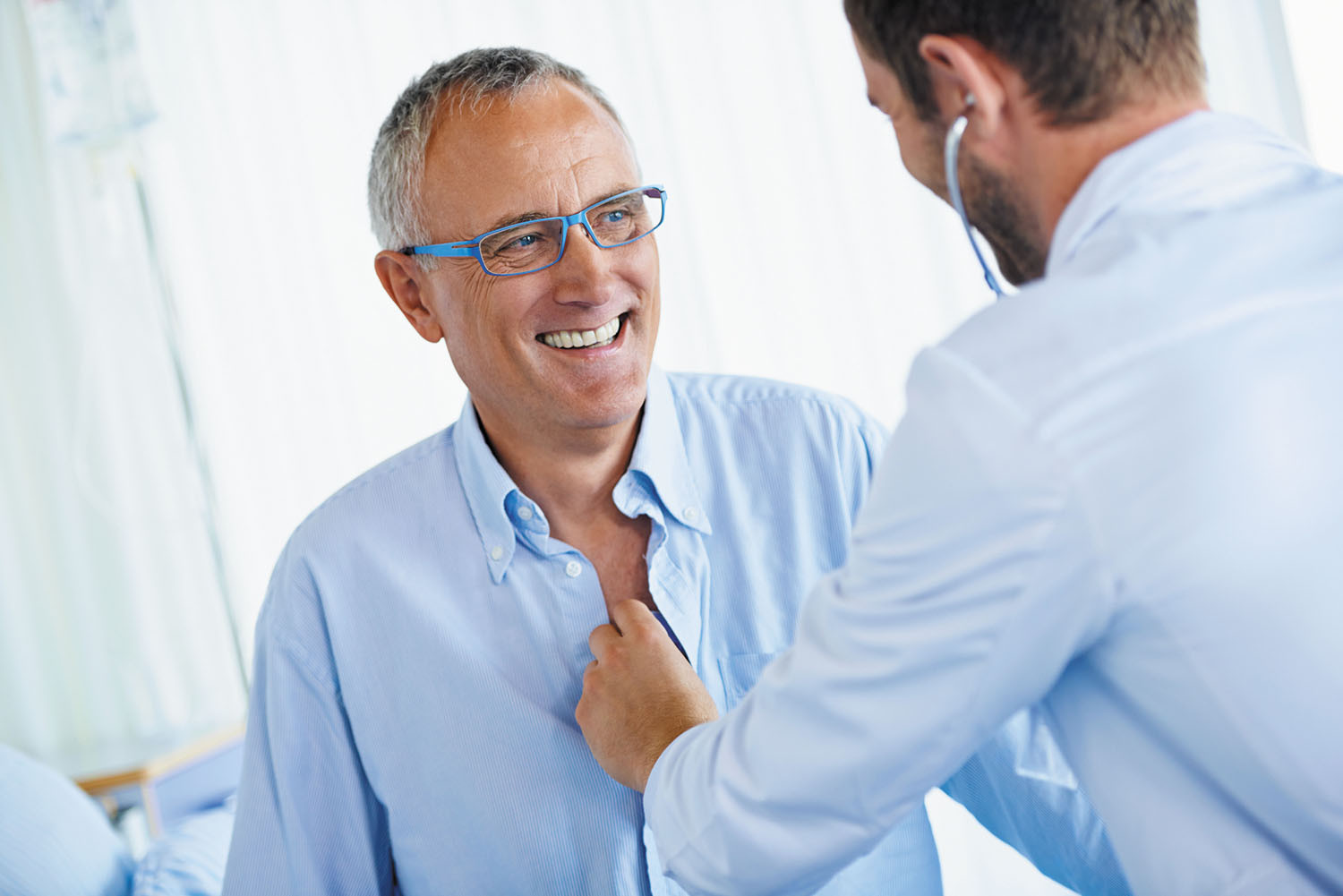
Why you need an annual wellness visit
The once-a-year appointment can reveal vital health information for both you and your doctor.
It's usually covered by your health insurance, it doesn't take much time, and it's a great way to learn about your present and future health.
While men often call it the yearly physical, the annual ritual is better named a wellness visit or preventive health appointment. Whatever you call it, men should still have one every year as it remains an important part of primary care, according to Dr. Asaf Bitton, executive director of Ariadne Labs and primary care physician at Harvard-affiliated Brigham and Women's Hospital.

How can I protect myself from getting the common cold?
On call
Q. How does a cold virus spread from one person to the next? And what can I do to protect myself?
A. The common cold is most often spread by direct contact with the respiratory secretions of someone who is infected, typically through hand-to-hand contact. Here is how it happens: The person with a cold touches his or her mouth or nose (we do this all day without thinking). The cold viruses are now on the person's hands. The person then touches you, such as by shaking hands. You rub your eyes, nose, or mouth, and the viruses enter your body, and so it goes.

The act of balancing
Maintaining proper balance as you age requires attention, strength, and flexibility.
One skill that can sharply decline with age, and often with little warning, is your sense of balance.
"As people age, changes in flexibility, muscle strength and power, body sensation, reflexes, and even mental function all contribute to declining balance," says Dr. Brad Manor, associate director of the Mobility and Falls Translational Research Center with Harvard-affiliated Hebrew SeniorLife. "You need to work on all these factors to maintain a strong sense of balance."
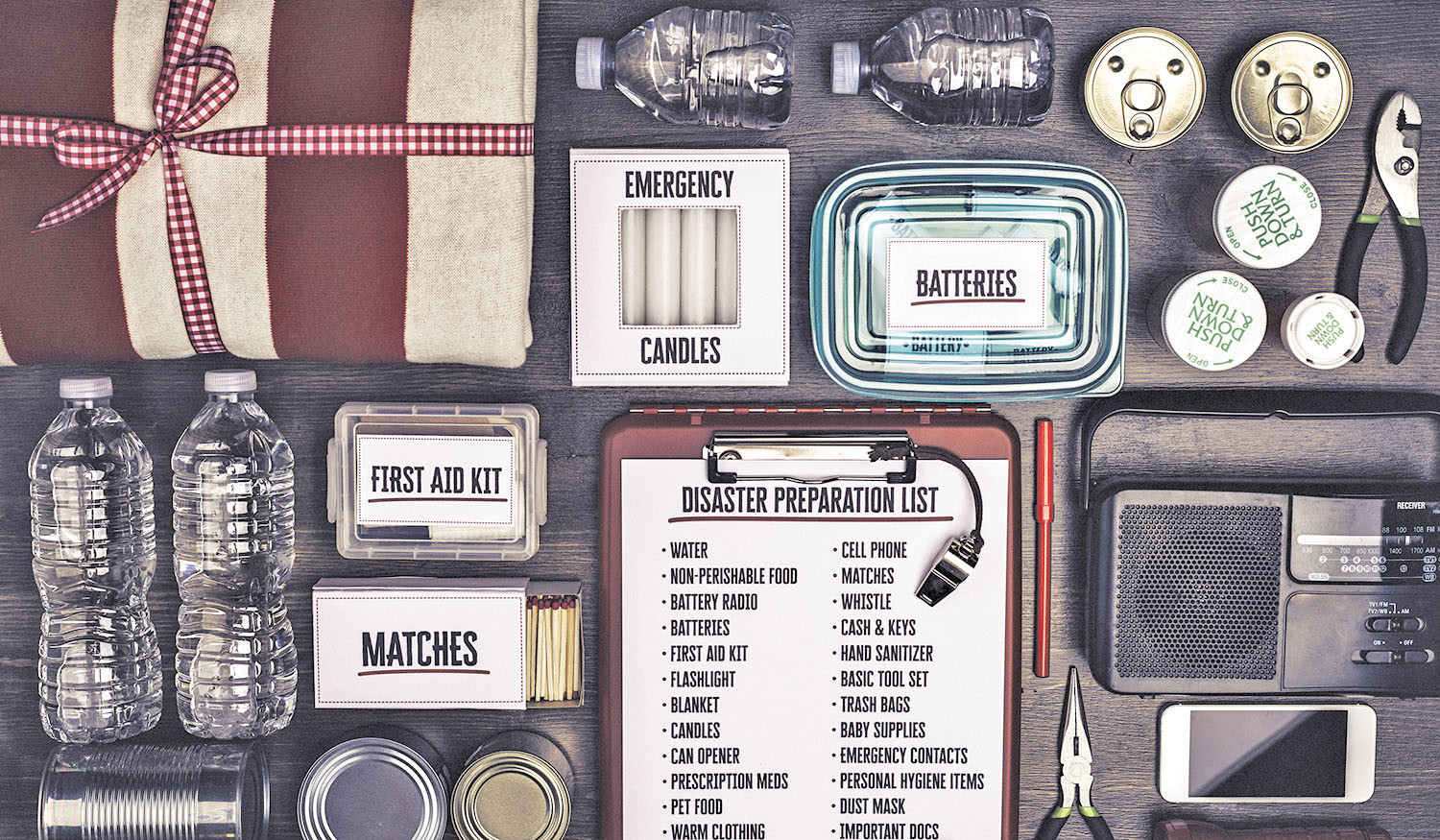
Be ready for emergencies
Here are 10 ways to safeguard your life (and health) when an emergency or disaster strikes.
Natural disasters and other kinds of emergencies can strike anywhere and often with little warning. Yet, new data from the University of Michigan National Poll on Healthy Aging show that most adults ages 50 to 80 are ill-prepared for severe weather, long-term power outages, or other emergency situations.
"Older adults should take the time to focus on how they will cope and manage with an emergency," says Dr. Howard LeWine, assistant professor of medicine at Harvard Medical School and editor-in-chief of this newsletter. "A small effort now can protect their health and well-being when an emergency does occur."

Troubled by migraines? Cut back on your caffeine drinks
In the journals
Over-the-counter pain medicines that contain caffeine can be effective at stopping some headaches. But drinking a large amount of caffeinated beverages might actually trigger a headache for some people with migraines, according to a study published in the August 2019 issue of The American Journal of Medicine.
Researchers recruited almost 100 people with migraines who suffered from fewer than 15 headaches per month. For six weeks, they recorded the timing and characteristics of each migraine and their intake of caffeinated beverages.

Can supplements help boost your immune system?
Your money might be better spent on something else.
During the winter months, you've likely seen ads for products that claim to give your immune system a boost to help you ward off colds and the flu. But can something in a bottle, whether a vitamin formulation or probiotic, really rev up your immune system to help you stay healthy?
"Unfortunately, the reality is that those kinds of products aren't really offering you any benefit," says Michael Starnbach, a professor of microbiology at Harvard Medical School. "There's no evidence that they help in fighting disease."

Getting sleep in the hospital
There are many things about hospital routines that make it difficult for patients to sleep well. If you find yourself hospitalized, there are things you can do to improve the chances that you will get a better night’s sleep.

Wearables and sleep: What can they really tell us?
Many people now wear smartwatches and other wrist-based devices, and use them to collect and track information about their sleep. But the algorithms that govern how the devices work are opaque, and there is no data comparing them to devices that sleep researchers use.

4 ways to boost your energy naturally with breakfast
Healthful protein, slowly digested carbohydrates, fruit or vegetables serve up best morning mix
As you sleep, your body is hard at work digesting yesterday's dinner. By the time you wake up, your body and brain are demanding fresh fuel. "Breaking the fast" is a key way to power up in the morning. Do it right and the benefits can last all day.
If you miss the day's first meal, notes Dr. David S. Ludwig, a nutrition expert at Harvard-affiliated Children's Hospital Boston, you may start off with an energy deficit and have to tap into your energy reserves.

The physical benefits of yoga
Yoga promotes physical health in multiple different ways. Some of them derive from better stress management. Others come more directly from the physical movements and postures in yoga, which help promote flexibility and reduce joint pain.
Following are some of the physical benefits of yoga that have a growing body of research behind them. In addition to the conditions listed below, preliminary research also shows that yoga may help with migraines, osteoporosis, balance and mobility issues, multiple sclerosis, inflammatory bowel disease, fibromyalgia, and ADHD.
Hip bursitis vs. arthritis: How to tell the difference
Fitness for longevity: Which type matters most?
Ministrokes linked to elevated risk of dementia
Continuous glucose monitors benefit people who don't need insulin
CoQ10: Should you take this popular supplement if you're on a statin?
Microplastics: A hidden health threat?
Oat vs. dairy milk: Nutrition, benefits, and downsides
What is tempeh? Benefits, nutrition, and how to use it
Healing after food poisoning
Whole grains may improve several heart risk factors at once
Free Healthbeat Signup
Get the latest in health news delivered to your inbox!
Sign Up
