

Hip bursitis vs. arthritis: How to tell the difference

Fitness for longevity: Which type matters most?

Ministrokes linked to elevated risk of dementia

Continuous glucose monitors benefit people who don't need insulin

CoQ10: Should you take this popular supplement if you're on a statin?

Microplastics: A hidden health threat?

Oat vs. dairy milk: Nutrition, benefits, and downsides

What is tempeh? Benefits, nutrition, and how to use it

Healing after food poisoning

Whole grains may improve several heart risk factors at once
Social engagement and relationships Archive
Articles

New details about loneliness and dementia risk
A 2020 study found that people defined as lonely had a higher risk of dementia than those who were not considered lonely. Loneliness also was associated with smaller brain sizes and poorer executive function (the ability to plan, focus attention, and remember instructions).

You don’t say? The many colors of urine
Urine is often pale yellow, but different colors can indicate dehydration, injury, or conditions like kidney stones or liver disease. In some cases, different colors are caused by certain foods or medications.

Adding 10 extra minutes of daily activity linked to a longer life
Researchers estimated that if people increased daily activity by 10 minutes of moderate-intensity exercise, like brisk walking, it could result in 7% fewer deaths per year. Increasing daily activity by 20 or 30 minutes could lower the rate by 13% or 17%, respectively.

When medication deliveries hit a snag
Prescription deliveries have the potential for several problems. They might be delayed, damaged, delivered to the wrong address, lost, or stolen. People can miss a delivery if it requires a signature and they aren't home or they can't get to the door before the delivery person leaves. And packages are sometimes left in an unusual spot and overlooked. If medications don't arrive when expected, a recipient should first see if the package was left somewhere on the property, and then contact the delivery service or pharmacy to locate the package.
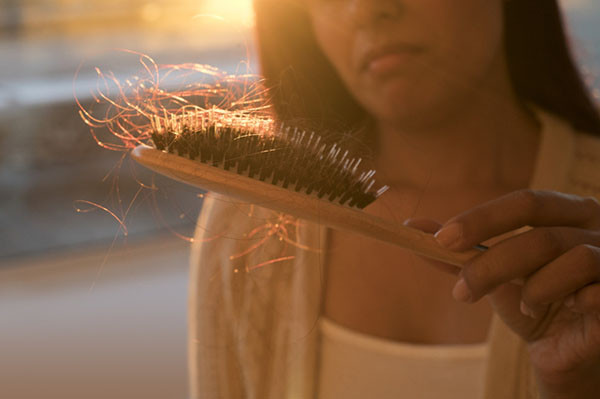
What is alopecia areata and how is it managed?
Hair loss is a common problem for many men and women, but what does it mean to have alopecia? Alopecia areata occurs when the body's immune system attacks hair follicles, resulting in hair loss. AA can affect the scalp, eyebrows, eyelashes, or anywhere hair grows on the body.

New Harvard tool helps fact-check cancer claims
Scary or misleading claims about things that may cause cancer are so plentiful that it's hard to know which ones to take seriously. A new website developed by experts aims to provide reliable information about whether a particular cancer claim is true.

Eating disorders spike among children and teens: What parents should know
A notable rise in eating disorders is particularly marked among adolescent girls. Many kinds of eating disorders can affect children and teens, and parents need to understand their causes and be aware of signs suggesting their child may have an eating disorder.

Moving to wellness while practicing body neutrality
It can be helpful to think of health as a spectrum, with illness at one end and wellness at the other. Someone who is in the neutral (middle) position can move to the wellness side by adopting and sustaining healthy lifestyle habits — and that has little to do with a person's shape or size.


Hip bursitis vs. arthritis: How to tell the difference
Fitness for longevity: Which type matters most?
Ministrokes linked to elevated risk of dementia
Continuous glucose monitors benefit people who don't need insulin
CoQ10: Should you take this popular supplement if you're on a statin?
Microplastics: A hidden health threat?
Oat vs. dairy milk: Nutrition, benefits, and downsides
What is tempeh? Benefits, nutrition, and how to use it
Healing after food poisoning
Whole grains may improve several heart risk factors at once
Free Healthbeat Signup
Get the latest in health news delivered to your inbox!
Sign Up
