

Hip bursitis vs. arthritis: How to tell the difference

Fitness for longevity: Which type matters most?

Ministrokes linked to elevated risk of dementia

Continuous glucose monitors benefit people who don't need insulin

CoQ10: Should you take this popular supplement if you're on a statin?

Microplastics: A hidden health threat?

Oat vs. dairy milk: Nutrition, benefits, and downsides

What is tempeh? Benefits, nutrition, and how to use it

Healing after food poisoning

Whole grains may improve several heart risk factors at once
Social engagement and relationships Archive
Articles
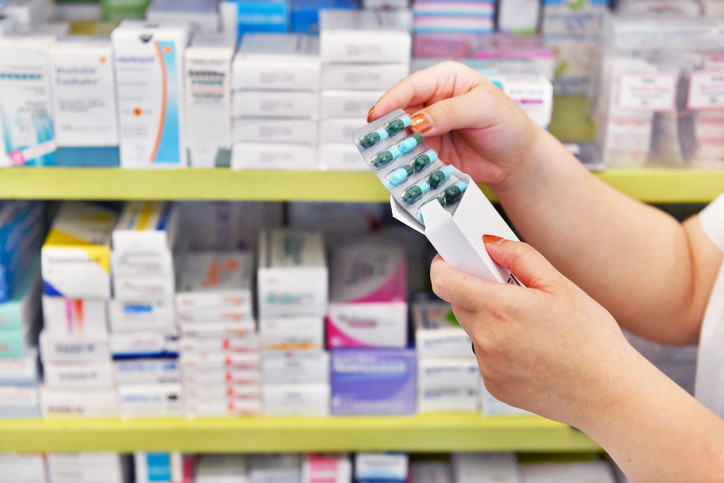
Two common prescription drugs now available over the counter
News briefs
On Feb. 14, 2020, the FDA announced that two popular symptom-relief drugs can now be sold without a doctor's prescription. One is diclofenac sodium topical gel, 1% (Voltaren Arthritis Pain), which is used to temporarily relieve arthritis. The other is olopatadine (Pataday), which comes in eye drop form (in two strengths, for once-a-day or twice-a-day dosing) to relive itchy or red eyes from pollen, ragweed, grass, or animal hair or dander. Even though these medications are now available over the counter, they still have risks and benefits, so talk to your doctor before using any new treatment.
Image: MJ_Prototype/Getty Images

Take monitors to heart
Here's what a heart rate monitor might do for you.
All kinds of high-tech exercise gadgets are available nowadays, from activity trackers to Apple Watches. However, one of the oldest technologies is still quite valuable: the simple heart rate monitor.
"For some people, a heart rate monitor is the ideal fitness tool to help them stay in tune with their body, so they can exercise better, smarter, and safer," says Dr. Meagan Wasfy, a cardiologist with Harvard-affiliated Massachusetts General Hospital.
Diet quality counts more than type of diet
In the journals
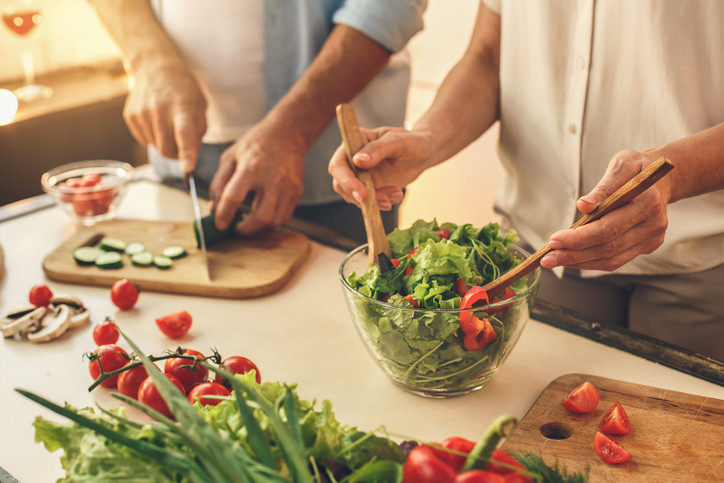
Simply following a low-carb or low-fat diet is less important than including high-quality healthy foods within those diets — and the latter may help you live longer, says a recent study published online Jan. 21, 2020, by JAMA Internal Medicine. Researchers tracked deaths from all causes among 37,233 adults over a 15-year period. The study included data on the diets of people participating in the U.S. National Health and Nutrition Examination Survey. The diets were scored based on their specific types of fat, protein, and carbohydrates, which determined if people followed a primarily low-carb diet or low-fat diet and the quality of foods they ate.
The researchers found that there was no significant difference in death rates between the people in the low-fat or low-carb group whose diets emphasized high-quality foods (such as whole grains, non-starchy vegetables, whole fruits, and nuts). They also found risk of death to be the same for low-fat and low-carb eaters that included more unhealthy foods (such as red and processed meat, butter, refined grains, and added sugar). What did differ significantly was the higher likelihood of premature death in people with low food quality scores whether their diet was low fat or low carb.

Can scheduled fasting improve your health?
The practice, known as intermittent fasting, has shown numerous health benefits and is easy for most healthy individuals to adopt.
Contrary to longstanding advice (and what you may have heard from your mother), a growing body of evidence shows that skipping meals may actually be good for your health.
Intermittent fasting — the practice of going for set periods of time without eating — is increasingly gaining acceptance among experts.

Shore up your core
Building the strength of the central muscles in your torso can help improve your balance and mobility.
You probably don't give a lot of thought to your core muscles, but they play a starring role in your daily life.
"The core is critical for stability and functional motion day to day," says Dr. Beth Frates, clinical assistant professor of physical medicine and rehabilitation at Harvard Medical School. "For example, standing, bending, twisting, and sitting all require the core muscles. With a strong core, people can reach for glasses on high shelves and stay balanced while walking with heavy grocery bags."


7 tips for going outside safely with your children during the COVID-19 pandemic
During the COVID-19 pandemic, getting yourself and your children outside helps with both physical and mental health. Be smart and do it safely by following these tips.


Strategies to support teens and young adults with autism spectrum disorder during COVID-19
The conditions imposed by the COVID-19 pandemic are challenging for all of us, but are especially difficult for teenagers with autism spectrum disorder and their families. Strategies to support teens and families living with ASD can help lessen the impact of the virus.

How can you support your teenager with autism spectrum disorder if they are depressed?
A recent study found that teens with autism spectrum disorder are three times more likely to develop depression, but several aspects of ASD overlap with those of depression, so identifying symptoms of depression in a person with ASD can be challenging.
Hip bursitis vs. arthritis: How to tell the difference
Fitness for longevity: Which type matters most?
Ministrokes linked to elevated risk of dementia
Continuous glucose monitors benefit people who don't need insulin
CoQ10: Should you take this popular supplement if you're on a statin?
Microplastics: A hidden health threat?
Oat vs. dairy milk: Nutrition, benefits, and downsides
What is tempeh? Benefits, nutrition, and how to use it
Healing after food poisoning
Whole grains may improve several heart risk factors at once
Free Healthbeat Signup
Get the latest in health news delivered to your inbox!
Sign Up
