

Hip bursitis vs. arthritis: How to tell the difference

Fitness for longevity: Which type matters most?

Ministrokes linked to elevated risk of dementia

Continuous glucose monitors benefit people who don't need insulin

CoQ10: Should you take this popular supplement if you're on a statin?

Microplastics: A hidden health threat?

Oat vs. dairy milk: Nutrition, benefits, and downsides

What is tempeh? Benefits, nutrition, and how to use it

Healing after food poisoning

Whole grains may improve several heart risk factors at once
Social engagement and relationships Archive
Articles

Quick-start guide to mental health professionals
Learn about the different kinds of experts and how they can help you.
Where should you turn when you suspect that you have a mental health condition: a psychiatrist, a psychologist, or some other type of mental health professional? It's tough to figure out what kind of clinician can best help you sort out your problems and provide the care you need.
Often a primary care visit is a good start. Your physician can assess your symptoms and refer you to a mental health professional for evaluation and appropriate treatment.
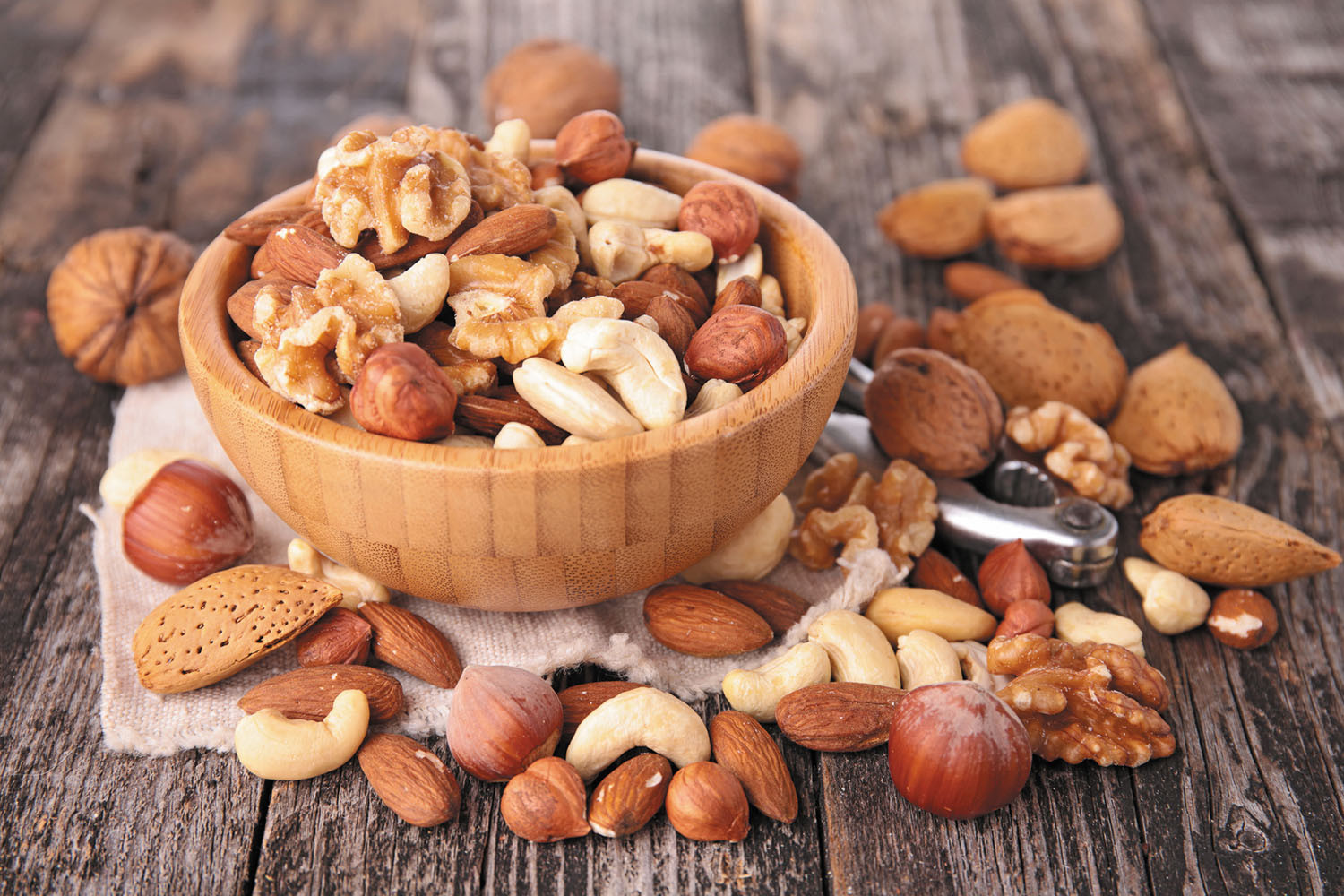
Eating nuts: A strategy for weight control?
News briefs
Nuts are rich in healthy fat and calories, so you may not think of them as tools for weight control. But nuts may actually help in the battle of the bulge, suggests a Harvard study published online Sept. 23, 2019, by BMJ Nutrition, Prevention, and Health. Researchers analyzed questionnaire responses on dietary habits, physical activity, and weight changes from about 145,000 middle-aged and older men and women. People who went from never eating nuts to eating a daily average of at least half a serving (about half a handful) were 16% less likely to become obese over a four-year period compared with people who didn't eat nuts at all. Substituting a half serving of nuts per day for red meat, processed meat, French fries, desserts, or potato chips was also associated with less weight gain. "Nuts have protein and fiber which help us feel full longer and offset cravings for junk food. Although nuts are high in calories, up to 20% of calories from nut consumption will be excreted from our body," says Dr. Xiaoran Liu, one of the study authors and a research associate with the Harvard T.H. Chan School of Public Health.
Image: margouillatphotos/Getty Images

Genetic test kits don’t have all the answers
News briefs
It's tempting to try a direct-to-consumer (DTC) genetic test kit that predicts your risk for developing certain diseases, like Alzheimer's or Parkinson's. The kit is shipped to your home, where you collect cells (typically with a cheek swab or a saliva collection tube) and then send them to a lab for DNA analysis. But a report from British researchers, published in The BMJ on Oct. 16, 2019, warns that the tests commonly produce misleading predictions of high or low genetic risk for disease. In other words, a positive result for a particular gene doesn't necessarily mean you'll develop a related health problem, and a negative result doesn't automatically mean you'll dodge a particular condition. Study authors say that interpreting genetic data is complex and depends on the context of your individual and family medical history. If you want to try a DTC test, bring the results to your physician for more insight. If your doctor determines that further investigation is warranted, he or she can refer you for genetic testing that's more comprehensive than DTC tests, performed by an accredited laboratory. Those test results may be combined with genetic counseling to help you understand what to expect and what the information might mean for your health or the health of your family members.
Photo: sanjeri/Getty Images




Hidden dental dangers that may threaten your whole body
Tooth decay and gum disease can lead to serious health problems, including brain or heart infections.
A growing number of older adults have something to smile about: research shows they're keeping their teeth longer. While that makes chewing and talking easier and staves off malnutrition and the discomfort of dentures or missing teeth, it also means you need to be more vigilant than ever about preventing dental problems — including some that can have life-threatening complications.
Tooth decay
One in five adults ages 65 or older has untreated tooth decay (a cavity). This develops when food and bacteria form plaque that sticks to teeth and produces toxins that break down a tooth's outer layer (enamel).
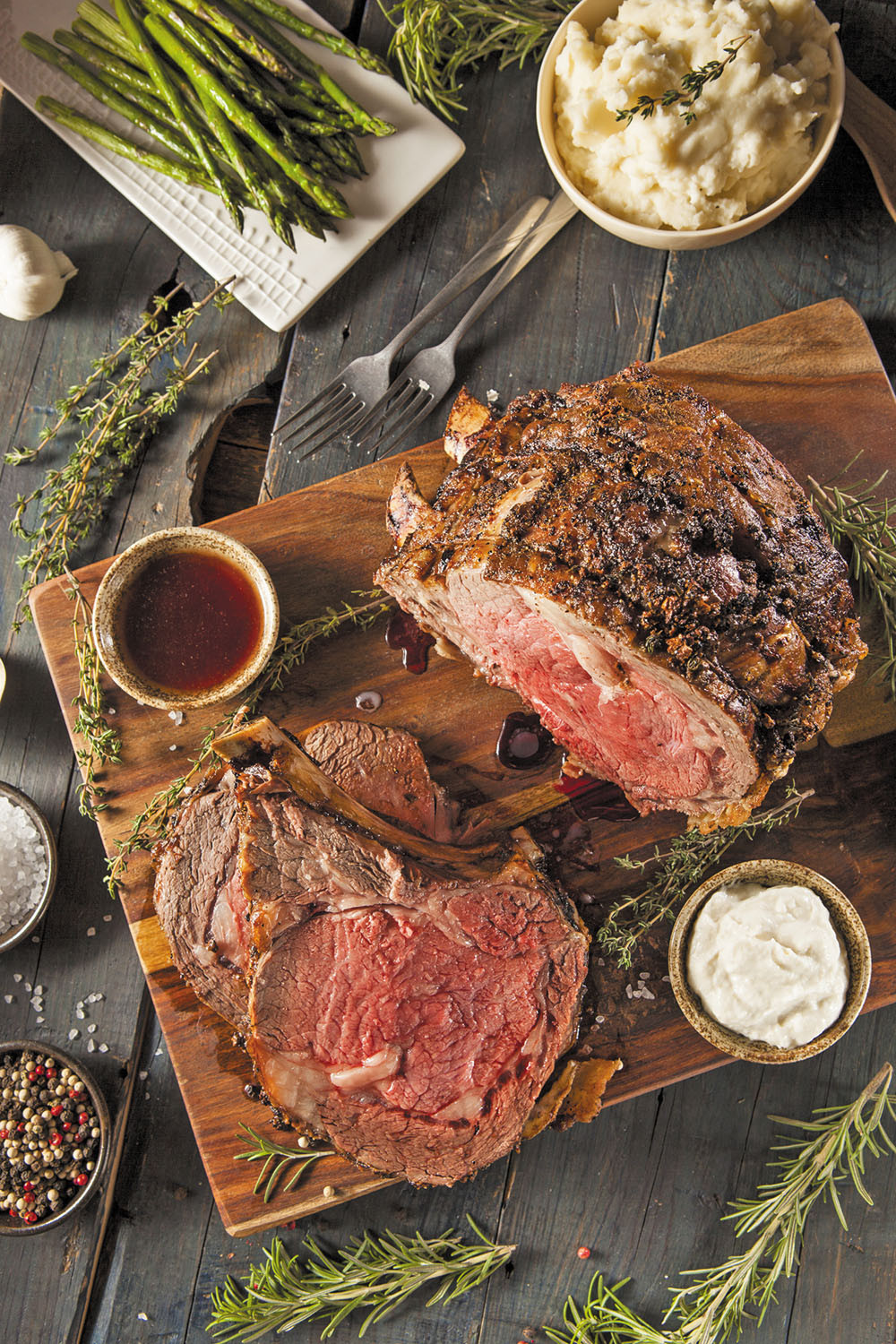
Can you explain the red meat debate?
Ask the doctor
Q. Just before the holidays, I heard that a study said it was okay to eat red meat. Previously, you've said just the opposite. Help!
A. We got lots of letters like yours. The bottom line is that we stick by our longstanding advice: avoid frequent meals of red meat, and especially processed meat.

What to do about incidental findings
They often lead to follow-up appointments and more testing.
Modern medical imaging saves lives: it can find a blocked artery, a bulging blood vessel, or a suspicious mass. But many times, an x-ray, CT scan, MRI scan, or ultrasound exam looking for one kind of problem can reveal an anomaly that's unrelated and unexpected. Such incidental findings can lead to more testing, more medical bills, and a great deal of anxiety.
"Frequently radiologists will point out something and say it's probably benign, but recommend an MRI. Once you've been told something might be abnormal, you might feel nervous until you know what it is," says Dr. Suzanne Salamon, associate chief of gerontology at Harvard-affiliated Beth Israel Deaconess Medical Center.
Hip bursitis vs. arthritis: How to tell the difference
Fitness for longevity: Which type matters most?
Ministrokes linked to elevated risk of dementia
Continuous glucose monitors benefit people who don't need insulin
CoQ10: Should you take this popular supplement if you're on a statin?
Microplastics: A hidden health threat?
Oat vs. dairy milk: Nutrition, benefits, and downsides
What is tempeh? Benefits, nutrition, and how to use it
Healing after food poisoning
Whole grains may improve several heart risk factors at once
Free Healthbeat Signup
Get the latest in health news delivered to your inbox!
Sign Up
