

Hip bursitis vs. arthritis: How to tell the difference

Fitness for longevity: Which type matters most?

Ministrokes linked to elevated risk of dementia

Continuous glucose monitors benefit people who don't need insulin

CoQ10: Should you take this popular supplement if you're on a statin?

Microplastics: A hidden health threat?

Oat vs. dairy milk: Nutrition, benefits, and downsides

What is tempeh? Benefits, nutrition, and how to use it

Healing after food poisoning

Whole grains may improve several heart risk factors at once
Social engagement and relationships Archive
Articles

Do you really need to take 10,000 steps a day for better health?
A new study says you might not have to walk far to see benefits.
If you've invested in a fitness tracker, chances are you've heard that you should take 10,000 steps a day for better health. If that sounds daunting, there's good news: a study published online May 29 by JAMA Internal Medicine found that you may able to reap health benefits by taking half that number of steps each day.
Researchers found that in older women, taking as few as 4,400 steps per day was associated with a 41% lower risk of dying during the study period when compared with women who walked 2,500 steps a day or fewer. In addition, it didn't seem to matter if the women took those steps power walking or just moving around the house.

How do I get rid of dandruff?
Ask the doctors
Q. I have terrible dandruff that just doesn't seem to ever clear up. What can I do to treat it?
A. For most people, using a dandruff shampoo once or twice a week can control this annoying condition, in which the skin on the scalp becomes dry and flakes off. But in some cases, the condition doesn't clear up and actually requires medical attention.

Keep your health habits on track during the holidays
Put the focus on friends, family, and fun, instead of food.
It's November, time for Thanksgiving and the start of the holiday season, which is also known as the time of year when healthy habits slide off track and waistbands get tighter.
"The truth is, people do tend to abandon healthy habits during the winter," says Dr. Beth Frates, clinical assistant professor of physical medicine and rehabilitation at Harvard Medical School. Blame the cold weather that keeps you inside and makes you feel sluggish, or the parade of holiday parties. Who wants to stick to a diet or trudge to the gym?

Sexual and gender minorities face unique health risks
Memory problems and confusion are just the newest in a list of health problems that appear to disproportionately affect LGBT individuals.
Past research has shown that sexual and gender minority groups may be at higher risk for certain health conditions, including cardiovascular disease and mental health disorders such as anxiety and depression. A new study suggests that another condition — dementia — may also be on that list. Findings presented at the 2019 Alzheimer's Association International Conference showed that people who identified as a sexual or gender minority were more likely than other people to report worsening memory or increased confusion over the past year.
It's possible that some of the same underlying factors that affect risk of other diseases are playing a role in these reported cognitive changes as well, says Dr. Ole-Petter R. Hamnvik, an assistant professor of medicine at Harvard Medical School. "Almost any health outcome that you look at, you can find disparities in these groups. It's not just dementia," he says.

Taking multiple prescriptions can be risky
Simple organization and communication strategies can help you manage your medications and reduce health risks.
If your pillbox is overflowing, you're not alone. Some 60% of Americans have at least one chronic condition, and 40% have two or more, according to the CDC. Doctors often prescribe multiple drugs to manage them.
"Some studies have found that a large number of people are taking as many as 12 to 15 drugs at a time," says Dr. David Bates, a professor of medicine at Harvard Medical School.

Bisexuality and health: The cost of invisibility
People who identify as bisexual represent a substantial part of the population, yet research focusing on their health lags. Which health problems are more likely to occur in people who are bisexual and what might help to counter them?

Healthy meals: 3 easy steps to success
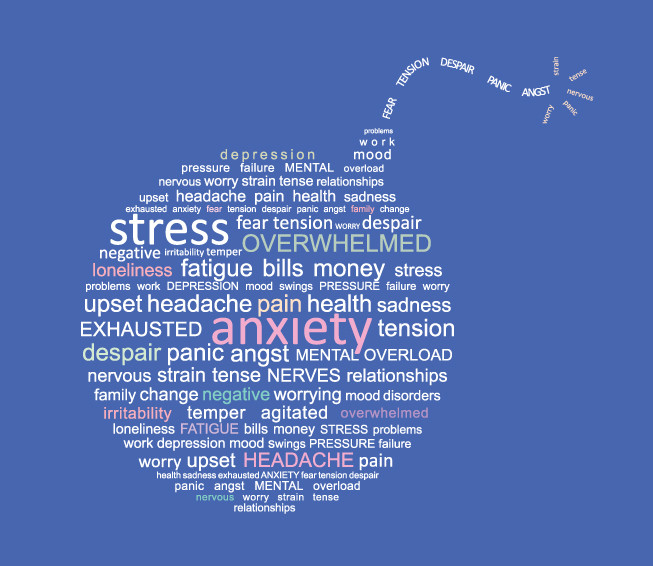
Can exercise help treat anxiety?
Millions of Americans report having an anxiety disorder. Evidence shows engaging in any sort of physical activity is one of the best ways to ease symptoms of anxiety. Regular activity is best, but even a single bout can help.

Making young minds resilient to disasters
Trauma from experiencing a natural disaster can have long-term effects on the mental and physical health of children. Supportive parents, teachers, and other adults can help children build resilience.
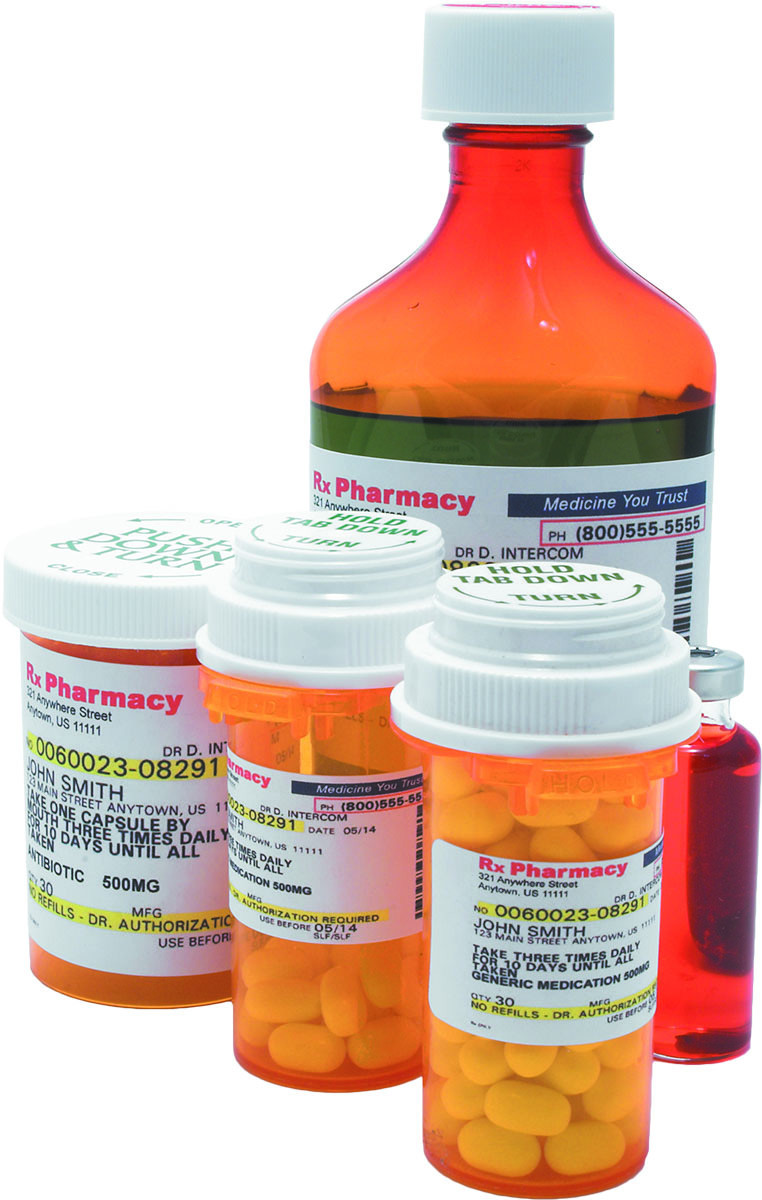
What to do when medication makes you constipated
Antidepressants and opioids are common offenders.
It's frustrating when you feel the urge to move your bowels but can't seem to go. Before blaming your diet, consider whether medication side effects are causing your constipation.
Possible suspects
Many medications can contribute to constipation, including the following:
Hip bursitis vs. arthritis: How to tell the difference
Fitness for longevity: Which type matters most?
Ministrokes linked to elevated risk of dementia
Continuous glucose monitors benefit people who don't need insulin
CoQ10: Should you take this popular supplement if you're on a statin?
Microplastics: A hidden health threat?
Oat vs. dairy milk: Nutrition, benefits, and downsides
What is tempeh? Benefits, nutrition, and how to use it
Healing after food poisoning
Whole grains may improve several heart risk factors at once
Free Healthbeat Signup
Get the latest in health news delivered to your inbox!
Sign Up
