

Hip bursitis vs. arthritis: How to tell the difference

Fitness for longevity: Which type matters most?

Ministrokes linked to elevated risk of dementia

Continuous glucose monitors benefit people who don't need insulin

CoQ10: Should you take this popular supplement if you're on a statin?

Microplastics: A hidden health threat?

Oat vs. dairy milk: Nutrition, benefits, and downsides

What is tempeh? Benefits, nutrition, and how to use it

Healing after food poisoning

Whole grains may improve several heart risk factors at once
Social engagement and relationships Archive
Articles

Ease your pain by controlling your mind
Lower your dependency on medication by altering your perception of pain.
Image: Cathy Yeulet/ Thinkstock
Everyday pain becomes more constant as you age. It can vary from morning aches to occasional joint flare-ups to recurrent episodes that interfere with your life and overall health.
Yet pain has a valuable role. It alerts your systems to potential injury so you can seek treatment. "Pain is similar to blood pressure, which becomes a problem if the levels become too high," says Dr. Jianren Mao, director of the Harvard-affiliated Massachusetts General Hospital Center for Translational Pain Research. "Only when pain becomes intolerable should you resort to medication or other types of treatment."
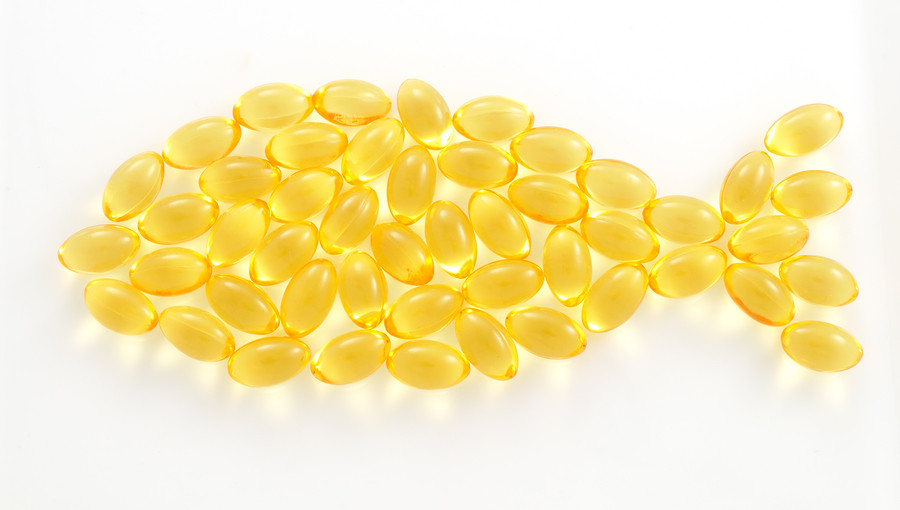
Do fish oil supplements reduce inflammation?
There is no conclusive evidence that fish oil supplements reduce inflammation. Diets rich in omega-3 fatty acids are a better bet.

Behavioral activation therapy effectively treats depression, study finds
British researchers tested whether behavioral activation therapy alone is as effective as cognitive behavioral therapy. The results were almost identical for both groups, with two-thirds of each group reporting a reduction of depressive symptoms of at least 50%.
Irrigation better than steam in relieving nasal symptoms
Nasal irrigation using a neti pot was more effective than inhaling steam in relieving chronic sinus symptoms in a large randomized study.

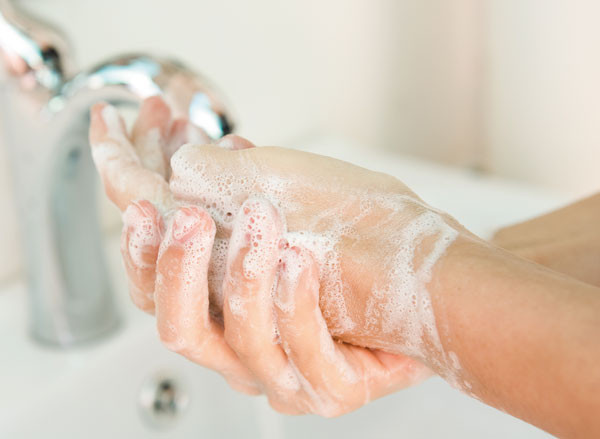
You can protect yourself against superbugs
Some simple preventive measures can keep antibiotic-resistant bacteria at bay.
Image: hxdbzxy /Thinkstock
Although the Zika virus got more publicity throughout the summer, another—and even scarier-sounding—microbe also made headlines. Dubbed a new "superbug," strains of E. coli resistant to the antibiotic colistin were found in the United States. Colistin is a drug often used when others fail to control a bacterial infection. Fortunately, the bacteria weren't resistant to other antibiotics, which cleared the infections. "Although this particular case of antibiotic resistance may not be as dire as the media made it sound, in general these increasingly high-level resistances are an enormous problem," says Dr. Sarah Fortune, professor of immunology and infectious diseases at Harvard T.H. Chan School of Public Health.
Why superbugs are such a problem
Like other forms of life, bacteria are always evolving to become stronger and survive longer. One of the ways they increase their chances of survival is to acquire genes that help them resist threats—including natural enemies like viruses and man-made weapons like antibiotics. These genes can spring up within a bacterium through mutations and are passed down to subsequent generations of the microbe. In addition, they can be found on rings of DNA called plasmids, which can be transmitted to other types of bacteria, enabling the resistance to spread wider and faster. The E. coli strains discovered in 2016 raised concern because they carry the colistin-resistance gene on plasmids and thus have the potential to transfer the plasmids to bacteria that are already resistant to several other antibiotics.

An approach to therapy that may make depression treatment more accessible
A recent study showed that behavioral activation can be an effective alternative to cognitive behavioral therapy for treating depression. This type of therapy emphasizes engaging in activities that can improve mental health, for example, connecting with people. Its advantage is that it takes less time and is less expensive to train people in behavioral activation so it may mean more therapists available at lower cost.
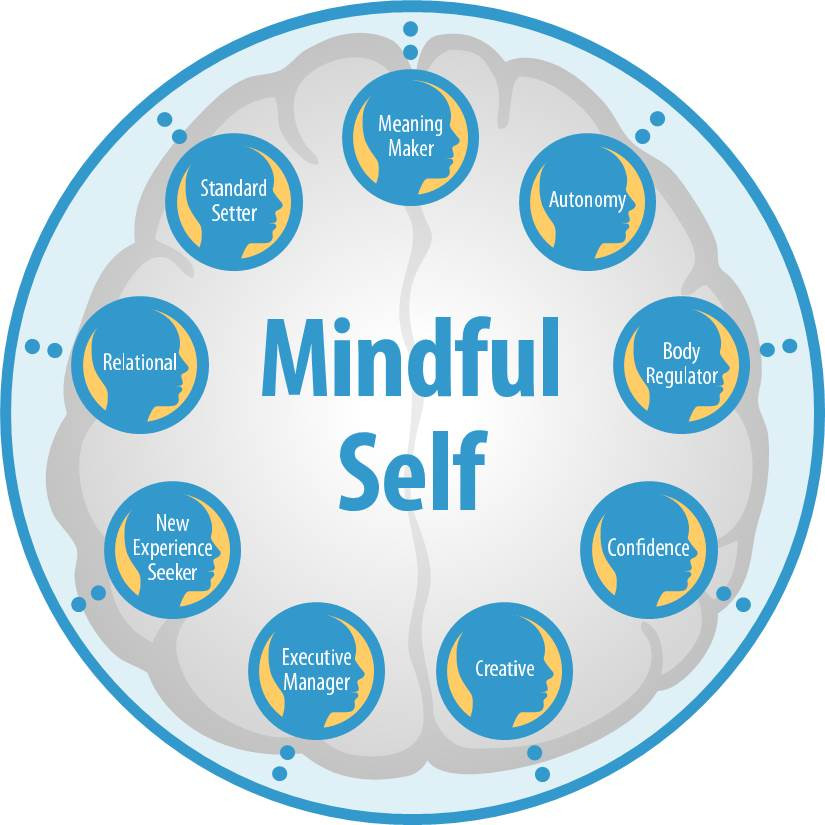
Getting kids back to school: Inside out
Harvard Medical School authors have written a new book entitled Organize your Emotions, Optimize Your Life, that explains a way to frame how your mind processes a range of emotions. An adult version of the children’s movie Inside Out, the book proposes that the human psyche has nine inner “voices.” By addressing the distinct needs, agendas, and emotions people can better address life challenges, big and small. In this post we apply this model to getting your kids back to school in a positive and productive way.

Hip bursitis vs. arthritis: How to tell the difference
Fitness for longevity: Which type matters most?
Ministrokes linked to elevated risk of dementia
Continuous glucose monitors benefit people who don't need insulin
CoQ10: Should you take this popular supplement if you're on a statin?
Microplastics: A hidden health threat?
Oat vs. dairy milk: Nutrition, benefits, and downsides
What is tempeh? Benefits, nutrition, and how to use it
Healing after food poisoning
Whole grains may improve several heart risk factors at once
Free Healthbeat Signup
Get the latest in health news delivered to your inbox!
Sign Up
