

Hip bursitis vs. arthritis: How to tell the difference

Fitness for longevity: Which type matters most?

Ministrokes linked to elevated risk of dementia

Continuous glucose monitors benefit people who don't need insulin

CoQ10: Should you take this popular supplement if you're on a statin?

Microplastics: A hidden health threat?

Oat vs. dairy milk: Nutrition, benefits, and downsides

What is tempeh? Benefits, nutrition, and how to use it

Healing after food poisoning

Whole grains may improve several heart risk factors at once
Social engagement and relationships Archive
Articles

Dietary nitrate may lower risk of glaucoma
Eating 10 servings of green leafy vegetables per week, or about 1.5 cups per day, may lower a person’s risk for primary open-angle glaucoma by 20% to 30%. These foods are rich in nitrate, which can help reduce eye pressure and improve blood flow to the optic nerve.

7 things you can do to avoid drug interactions
Each of your medications may be affecting how the others work, leading to harmful side effects and complications.
Each additional medication you take increases the risk of drug interactions.
Image: SheilaFitzgerald/Thinkstock
Are you taking more than one drug? Are you taking a few different types of medications? Are you seeing several different doctors? If so, you may be at increased risk for drug interactions, which occur when a drug, a supplement, or even a food affects the way your body processes a medication. Such interactions can make a drug more powerful—so that a standard dose becomes an overdose—or can render it less potent or altogether ineffective.

Why controlling your weight lowers your risk of diabetes
Inflammation is an important link between obesity, elevated blood sugar, and type 2 diabetes.
Weight loss can reduce inflammation—a major contributor to diabetes.
Image: tetmc/Thinkstock
We've known for a long time that being overweight is a major risk factor for developing type 2 diabetes. But only in the last 20 years have researchers determined that metabolism and immune responses are linked and that chronic inflammation plays an important role in the development of obesity, diabetes, and related metabolic diseases. "Inflammation is not only associated with obesity, diabetes, and cardiovascular disease, but also precedes and predicts these conditions," says Dr. Allison Goldfine, head of the Clinical Research section at Harvard-affiliated Joslin Diabetes Center.
Mediterranean diet may protect against fractures as well as high-dairy diet
Research We’re Watching
In the 2015–2020 Dietary Guidelines for Americans, the emphasis shifted from healthy foods to healthy eating plans. Scientists are also focusing on the role of one's entire diet in preventing osteoporosis.
A team of German researchers analyzed data from more than 90,000 women enrolled in the Women's Health Initiative (WHI), who were ages 50 to 79 when they entered the study.

What do heart experts eat for dinner?
They follow their own advice to enjoy lots of vegetables, legumes, lean protein, and a fruit-based dessert.
Image: Mizina/Thinkstock
Following a healthy diet is a proven and powerful way to lower your risk of heart disease. But do you ever wonder if doc-tors actually practice what they preach, especially with regard to their eating habits? While we obviously can't speak for all of them, four Harvard physicians with diverse ethnic backgrounds agreed to share examples of their favorite heart-healthy dinner menus.
Dr. Enrique Caballero, assistant professor of medicine
A native of Mexico, Dr. Caballero directs the Latino Diabetes Initiative at the Joslin Diabetes Center; his research interests include cardiovascular disease prevention.
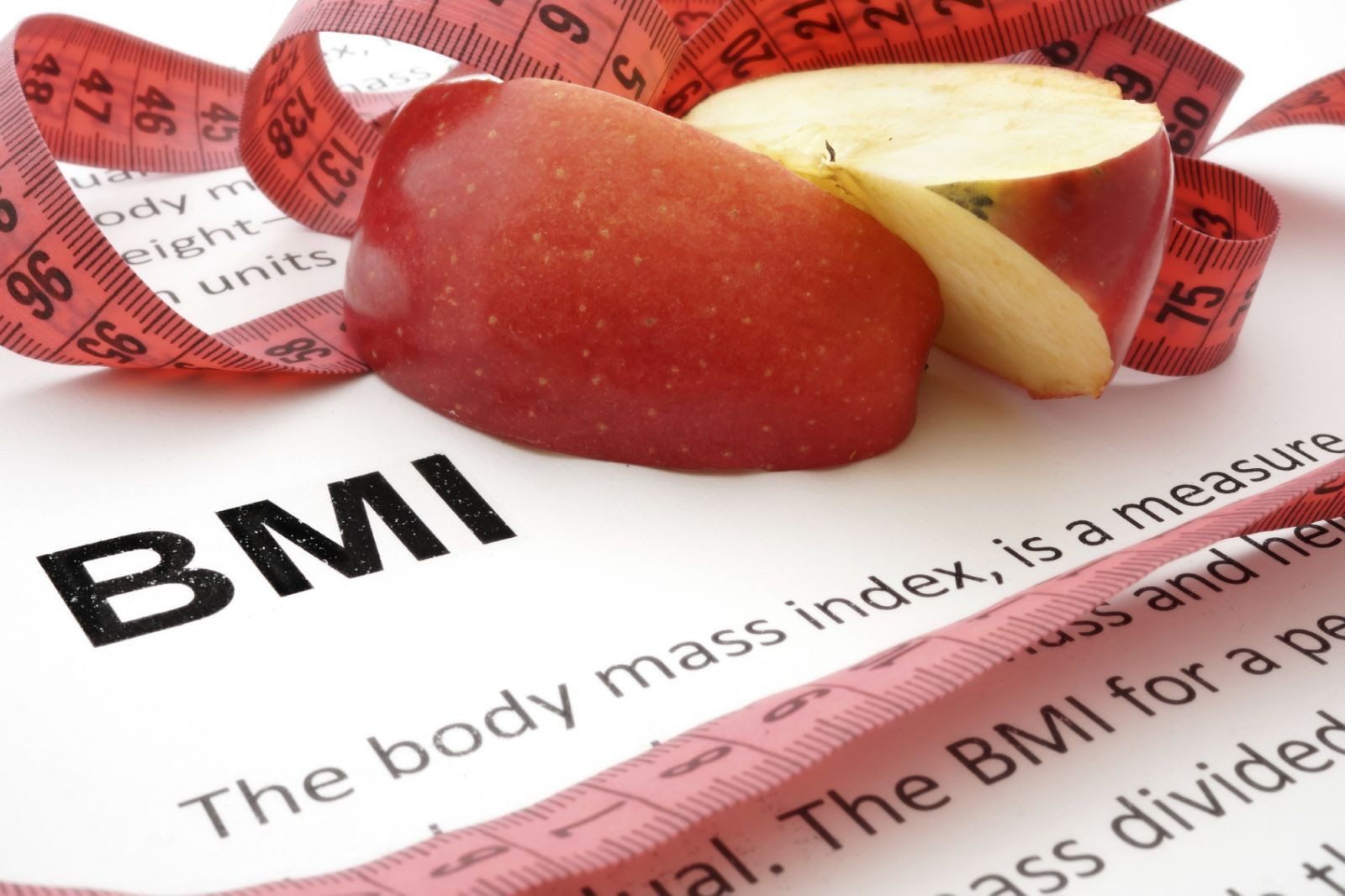
Weighing in on the value of the body mass index
Your BMI estimates your body fat better than the number on a scale. But a tape measure is an equally important tool.
As your BMI rises above 25, so does your risk for developing high blood pressure, diabetes, and cardiovascular disease.
Image: designer491/iStock
The body mass index (BMI), a measurement derived from the relationship between your weight and your height (see box), is a common way to estimate body fat. It's a simple, fast, and essentially free tool that enables doctors to help identify people who might be at risk for health problems—including cardiovascular disease—that are linked to excess body fat.

Lend a hand, help your heart?
People who do volunteer work may reap benefits beyond the satisfaction of helping others.
Doing volunteer work may give you a greater sense of purpose in life—a positive emotion that’s been linked to a lower risk of heart disease.
Image: monkeybusinessimages/Thinkstock
If you volunteer on a regular basis, perhaps you've experienced the emotional rewards of donating your time. What you might not realize, however, is that volunteering may offer some added advantages for your heart.
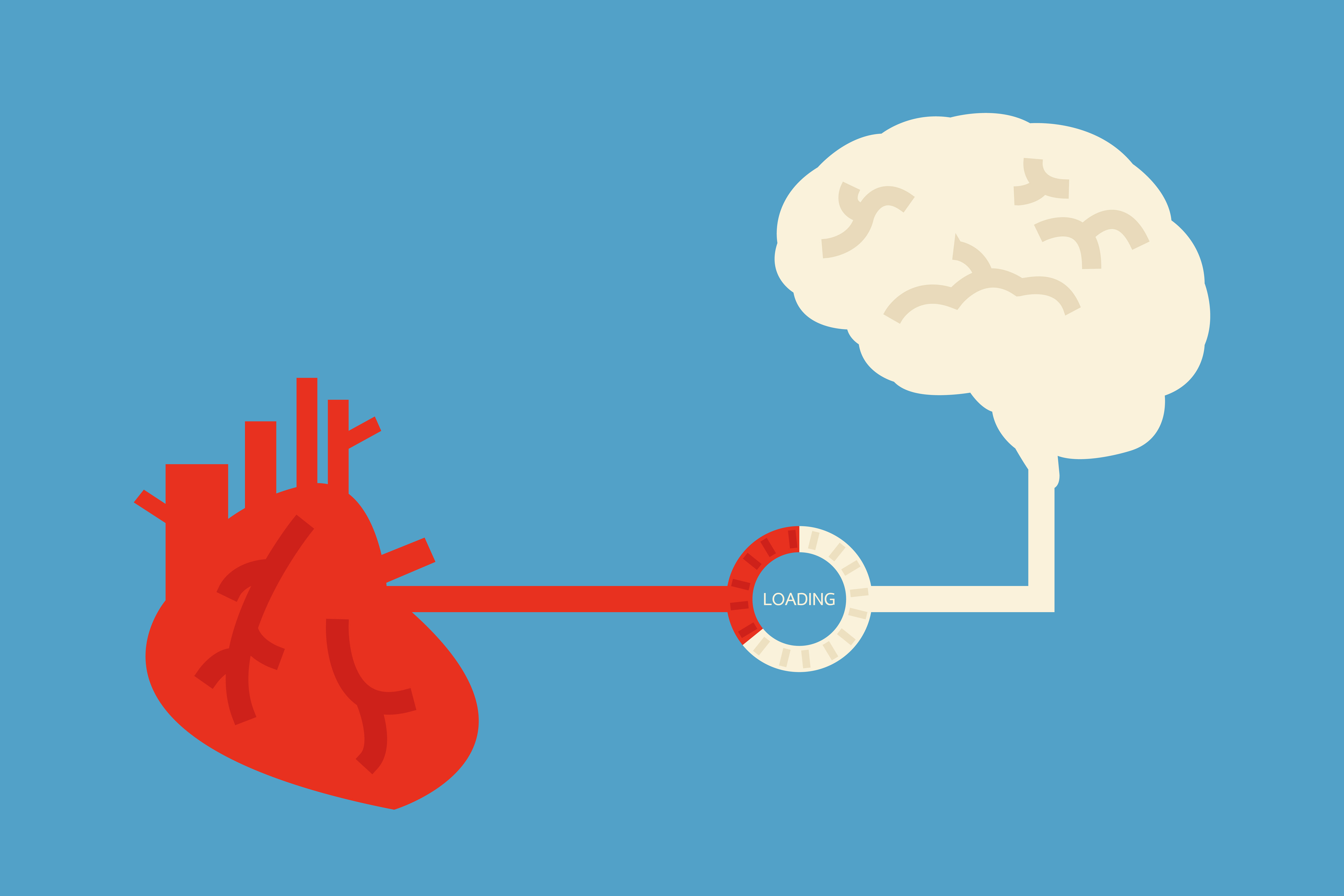
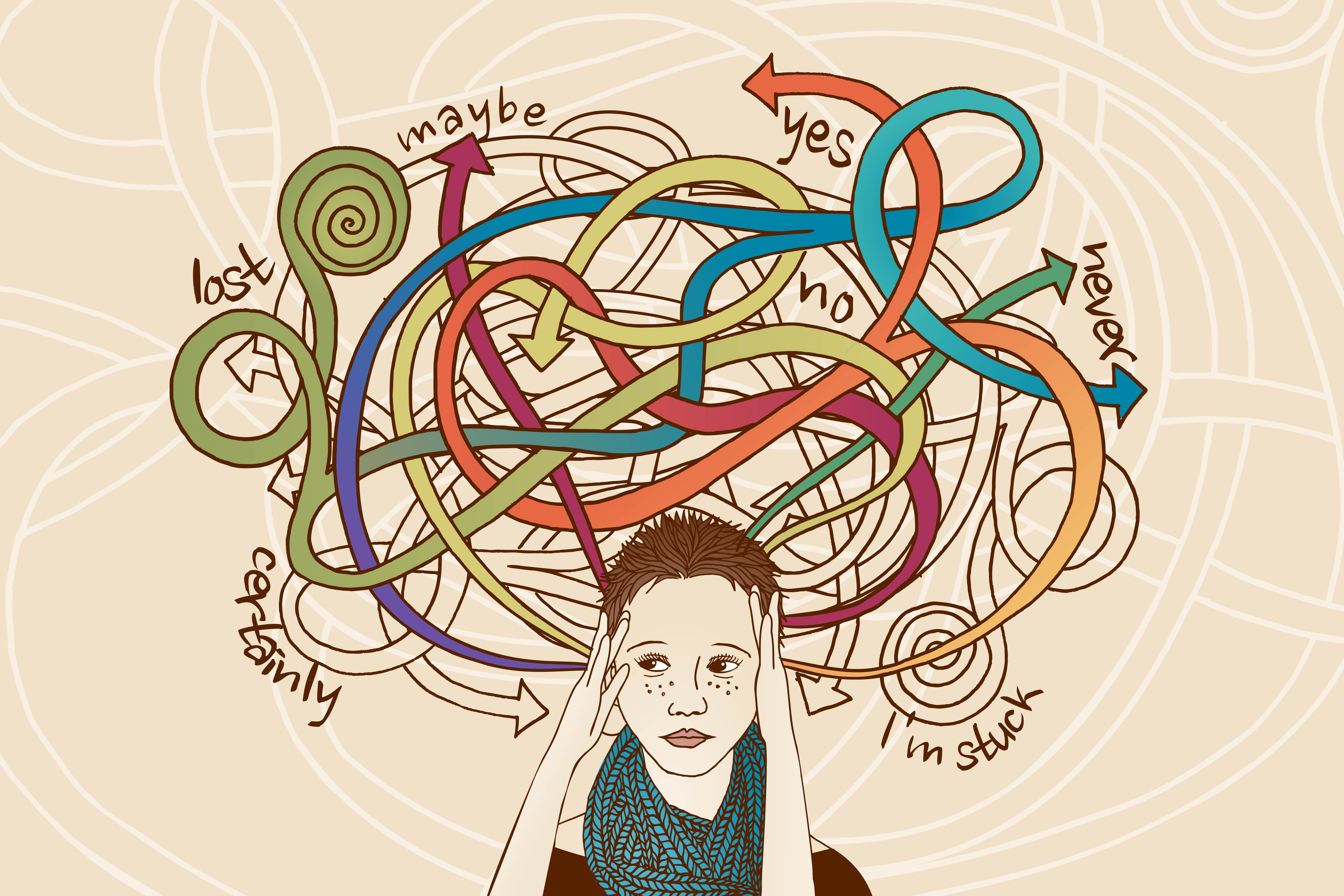
More than sad: Depression affects your ability to think
We often think of depression as making someone feel “down,” but it can sometimes show up as cognitive symptoms — for example, trouble with adapting to new information or thinking through a solution to a problem. Researchers recently determined that several common depression medications are not effective at relieving cognitive symptoms. But there are several things people with depression can try to help return themselves to their usual level of cognitive functioning.

Hip bursitis vs. arthritis: How to tell the difference
Fitness for longevity: Which type matters most?
Ministrokes linked to elevated risk of dementia
Continuous glucose monitors benefit people who don't need insulin
CoQ10: Should you take this popular supplement if you're on a statin?
Microplastics: A hidden health threat?
Oat vs. dairy milk: Nutrition, benefits, and downsides
What is tempeh? Benefits, nutrition, and how to use it
Healing after food poisoning
Whole grains may improve several heart risk factors at once
Free Healthbeat Signup
Get the latest in health news delivered to your inbox!
Sign Up
