

Hip bursitis vs. arthritis: How to tell the difference

Fitness for longevity: Which type matters most?

Ministrokes linked to elevated risk of dementia

Continuous glucose monitors benefit people who don't need insulin

CoQ10: Should you take this popular supplement if you're on a statin?

Microplastics: A hidden health threat?

Oat vs. dairy milk: Nutrition, benefits, and downsides

What is tempeh? Benefits, nutrition, and how to use it

Healing after food poisoning

Whole grains may improve several heart risk factors at once
Social engagement and relationships Archive
Articles


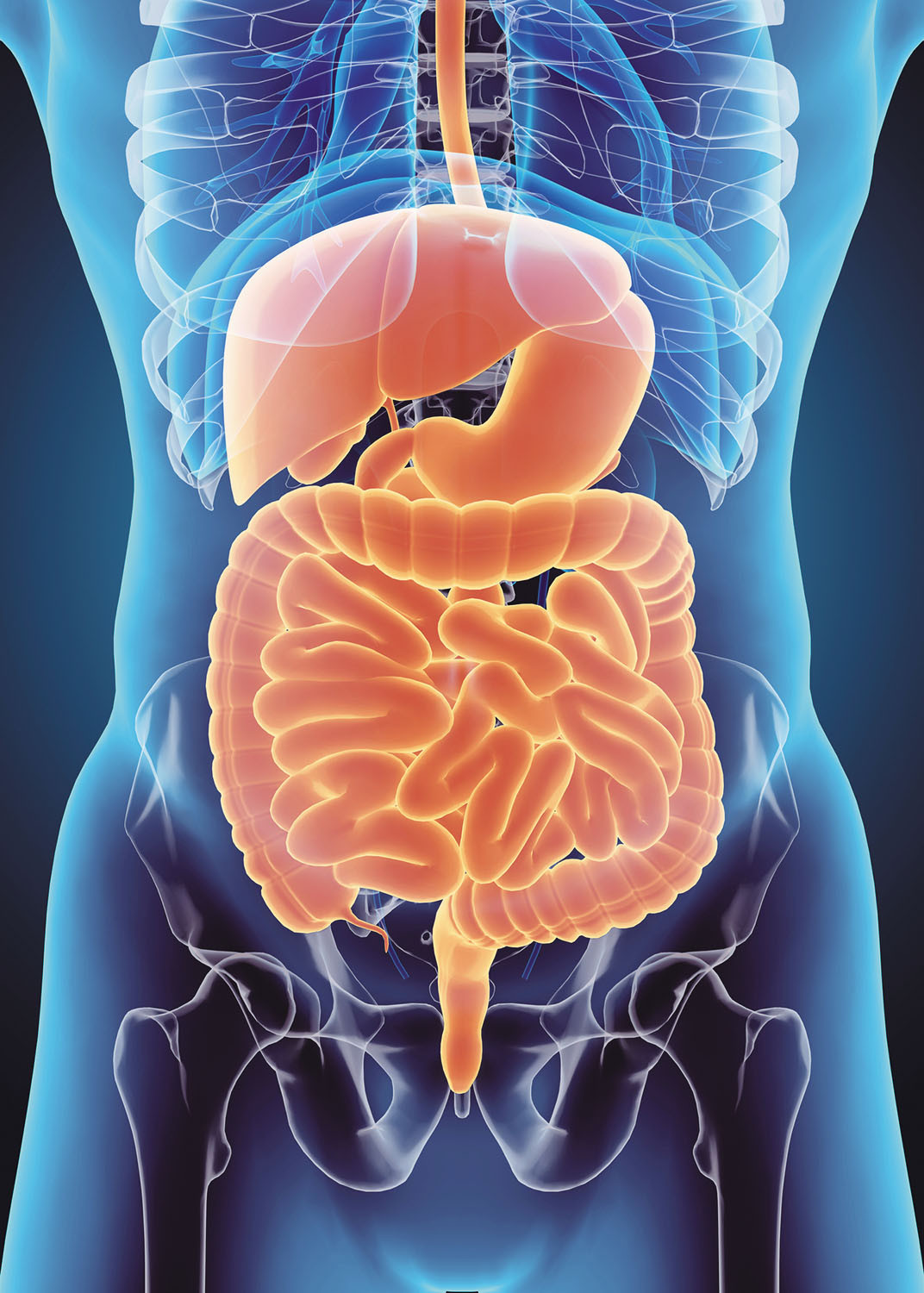
Keep your digestion moving
Over time, everyone's digestive system works less efficiently and people can develop food intolerance or begin taking medications that can affect digestion. These changes can create problems like gas, bloating, cramps, and constipation. By identifying the reasons for the digestive issues, managing them becomes easier and can help keep the entire system running smoothly.

Tips to avoid constipation
There are many ways one can try to avoid constipation. For example, lifestyle remedies may help—such as increasing dietary fiber, getting regular exercise, and drinking three to six cups of water per day. If those approaches don't work, doctors recommend using fiber supplements, such as psyllium husk (Metamucil), methylcellulose (Citrucel), or wheat dextrin (Benefiber). Another supplement that might help is magnesium. When all strategies fail, it may be time to try over-the-counter medication. One option is an osmotic laxative such as polyethylene glycol (Miralax).



Healthy gut, healthier aging
Keeping the gut microbiome diverse is good for health and may even be tied to healthier aging. To maintain such diversity, it helps to eat a healthy diet that includes lots of fiber, which gut microbes eat. Also, exercise may be helpful to the gut microbiome, since exercise may change the rate at which material moves through the intestines. Other ways to promote a healthy gut microbiome including getting a dog, which exposes us to more microbes; quitting smoking, which relieves stress on gut microbes; and maybe eating more probiotic-rich foods, which may boost beneficial bacteria in the gut.
Is cheese a healthy source of probiotics?
Some types of cheese, including Swiss and Gouda, are a good source of probiotics, but eat cheese in moderation.

Creating communities that help support neurodiverse children
For neurodiverse children and their families, the landscape of friendships and social spaces can feel unwelcoming. Being more inclusive is a positive step, yet it takes more to create communities where everyone feels they belong.

What is somatic therapy?
Trauma can register within our bodies on a cellular level. What that means — and how best to heal from serious traumas — is the focus of somatic therapy, a newer form of mental health counseling that highlights how deeply painful experiences affect us and can be addressed through mind-body approaches.
Hip bursitis vs. arthritis: How to tell the difference
Fitness for longevity: Which type matters most?
Ministrokes linked to elevated risk of dementia
Continuous glucose monitors benefit people who don't need insulin
CoQ10: Should you take this popular supplement if you're on a statin?
Microplastics: A hidden health threat?
Oat vs. dairy milk: Nutrition, benefits, and downsides
What is tempeh? Benefits, nutrition, and how to use it
Healing after food poisoning
Whole grains may improve several heart risk factors at once
Free Healthbeat Signup
Get the latest in health news delivered to your inbox!
Sign Up
