

Hip bursitis vs. arthritis: How to tell the difference

Fitness for longevity: Which type matters most?

Ministrokes linked to elevated risk of dementia

Continuous glucose monitors benefit people who don't need insulin

CoQ10: Should you take this popular supplement if you're on a statin?

Microplastics: A hidden health threat?

Oat vs. dairy milk: Nutrition, benefits, and downsides

What is tempeh? Benefits, nutrition, and how to use it

Healing after food poisoning

Whole grains may improve several heart risk factors at once
Social engagement and relationships Archive
Articles
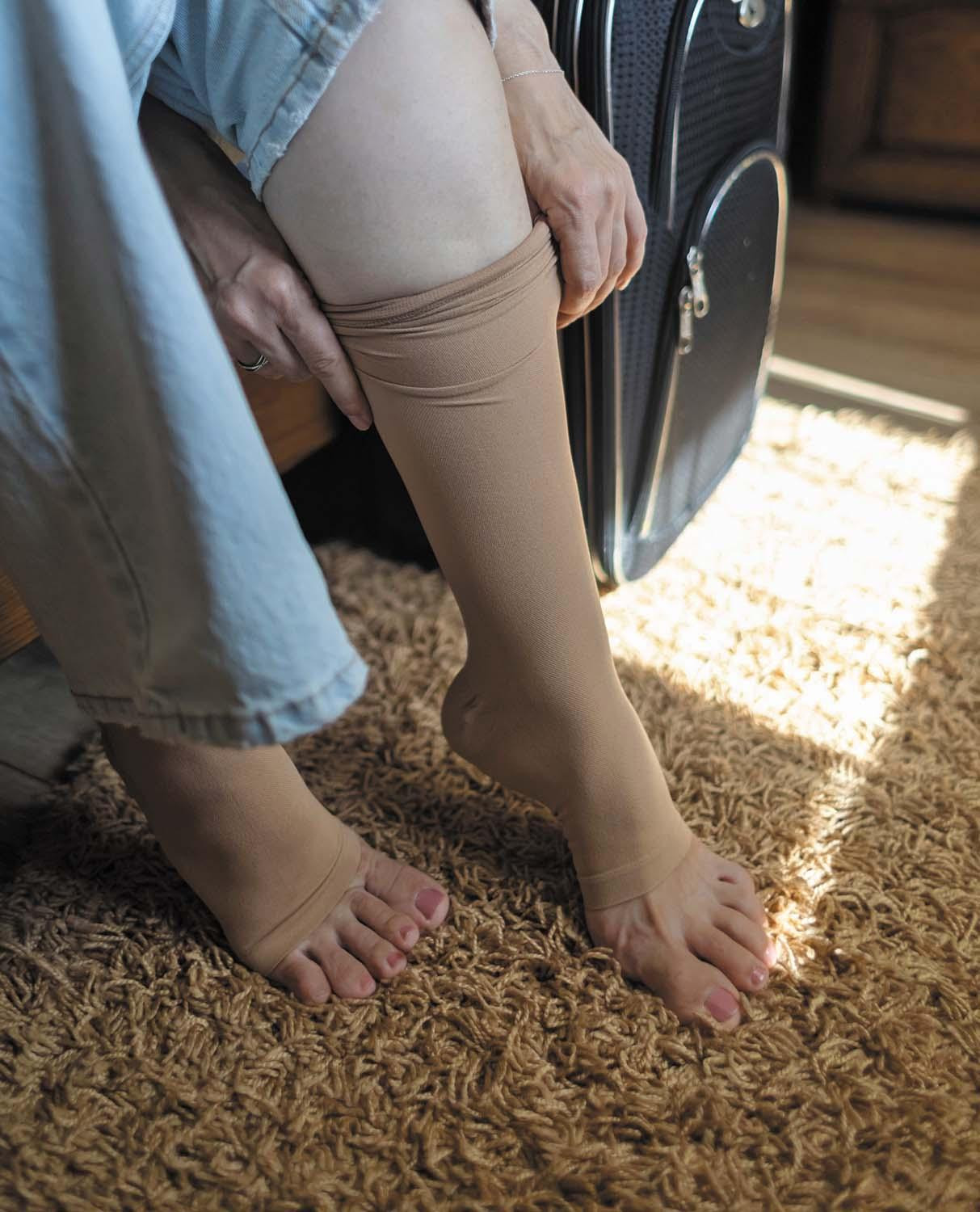
Could you benefit from wearing compression socks?
Compression socks are snug, supportive stockings that can help people who struggle with leg swelling or circulation issues. They're commonly used for certain vein problems or clot risks, and a doctor can help decide who needs them and how to use them.
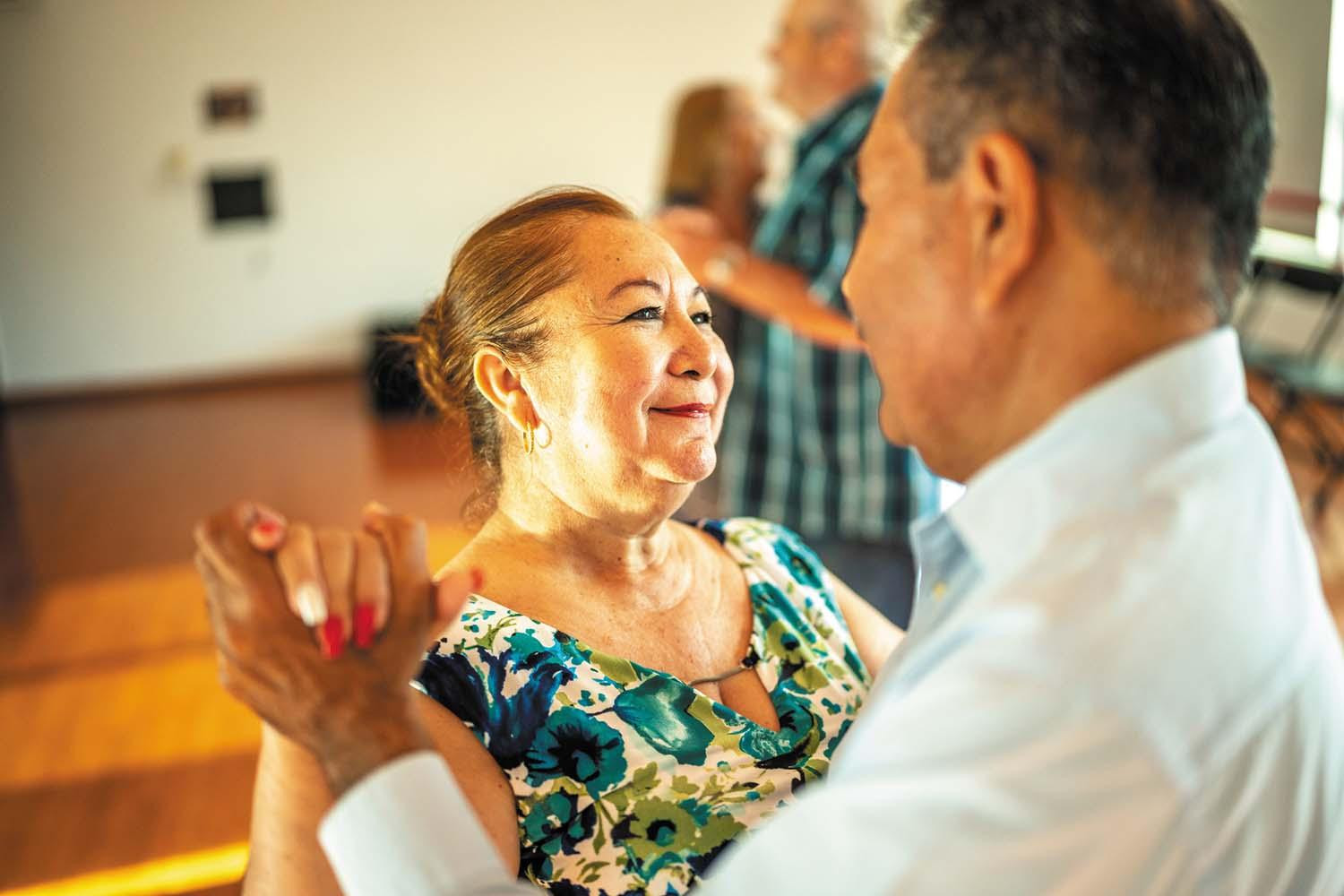
An essential way to combat loneliness
Loneliness is widespread and harms both physical and mental health, but nurturing existing relationships is a powerful antidote. By reconnecting with friends and family, meeting regularly, minimizing distractions, and staying in touch across distance, it's possible to more connected and help protect long-term health.
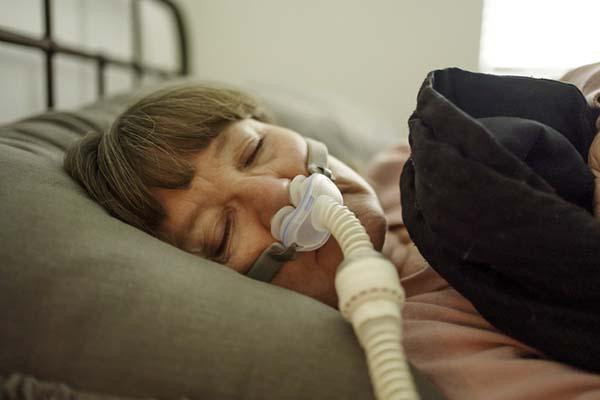
Sleep apnea linked to mental health conditions in middle and older age
Obstructive sleep apnea (OSA), marked by breathing pauses during sleep, is linked to high blood pressure, heart disease, stroke, and diabetes. A 2025 study found that people at high risk for OSA also had about 40% higher odds of depression and other mental health conditions.


What is EMDR therapy, and who can it help?
Eye movement desensitization and reprocessing (EMDR) therapy is recognized as a proven method for treating post-traumatic stress disorder. It also shows promise for other mental health conditions, including personality disorders, anxiety, and depression.
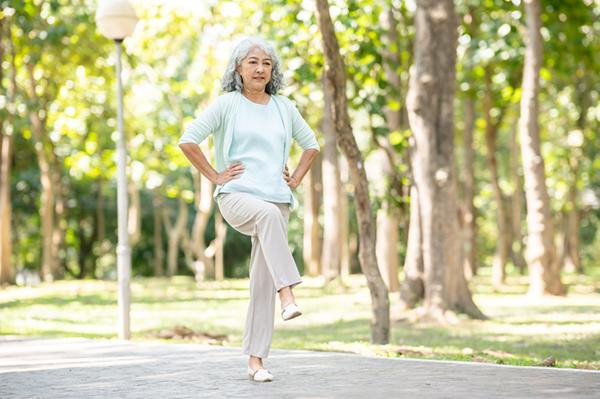
A measure of balance
People can evaluate their balance and fall risk at home by taking the four-stage balance test. More advanced tests like single-leg standing, heel-to-toe-walking, and timed up and go can also aid in assessing balance and coordination.
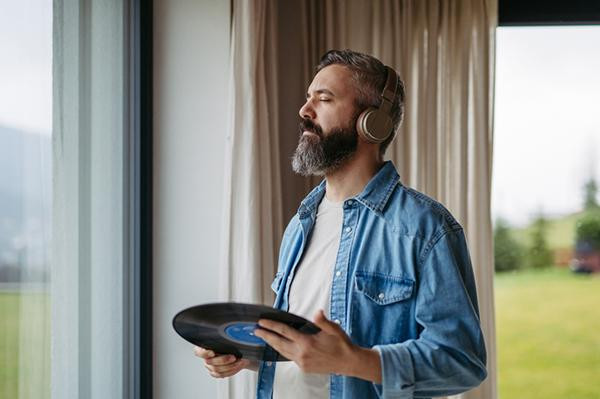
Musical engagement may help lower dementia risk
A 2025 study found that adults ages 70 and older who listened to music most days or played a musical instrument at least weekly may have a lower risk of developing dementia than those who did neither.

Safe and effective high-intensity interval training
High-intensity interval training alternates short bursts of hard effort with recovery, boosting aerobic fitness, heart health, and muscle in less time. For older adults, adjusting intensity to current fitness levels helps keep HIIT safe and effective.
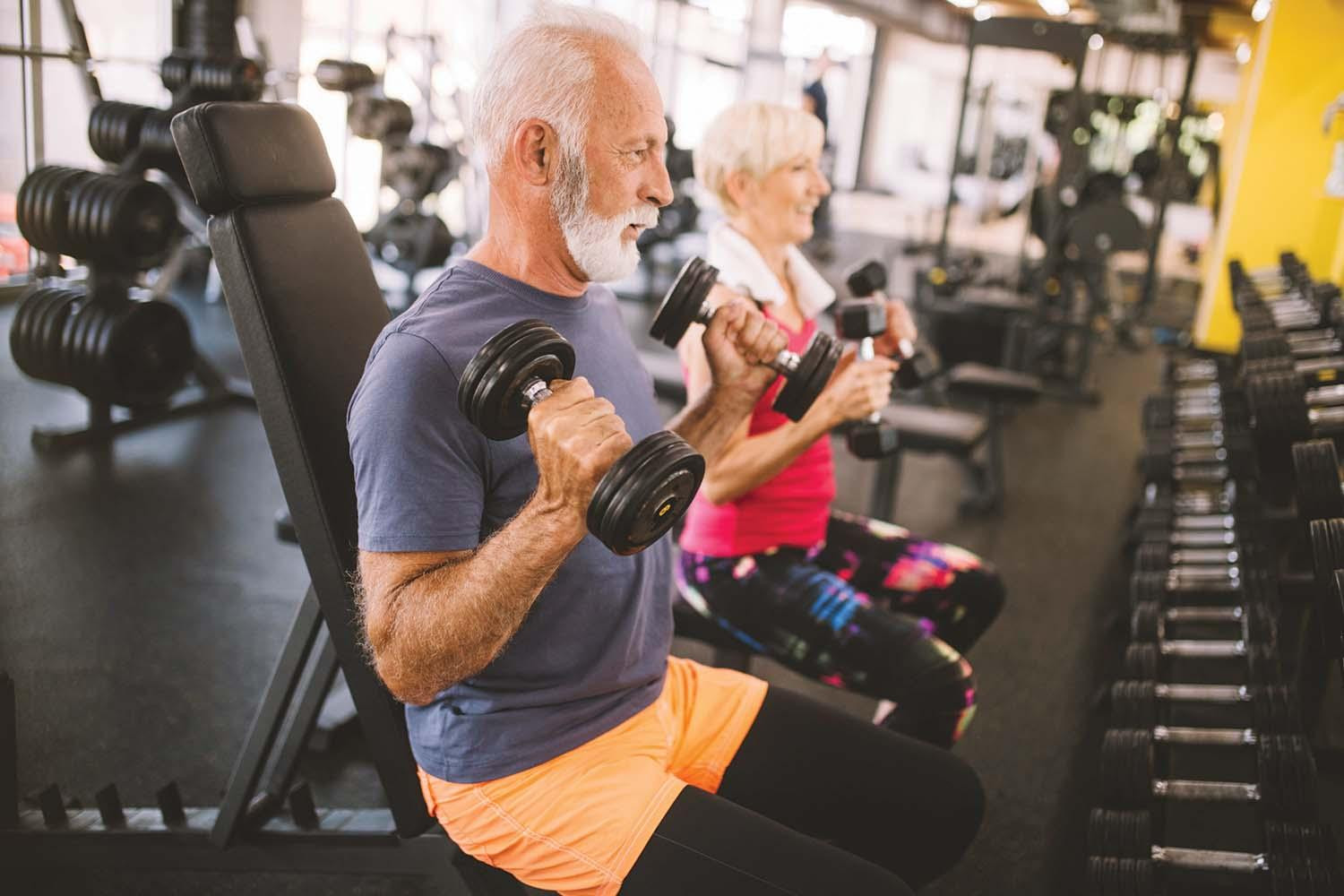
Can you increase your metabolism?
Metabolism-how your body turns food into energy-is strongly influenced by genes, but lifestyle still matters. Choosing nourishing foods, avoiding extreme diets, and building muscle through regular exercise can modestly boost calorie burning and support weight loss.
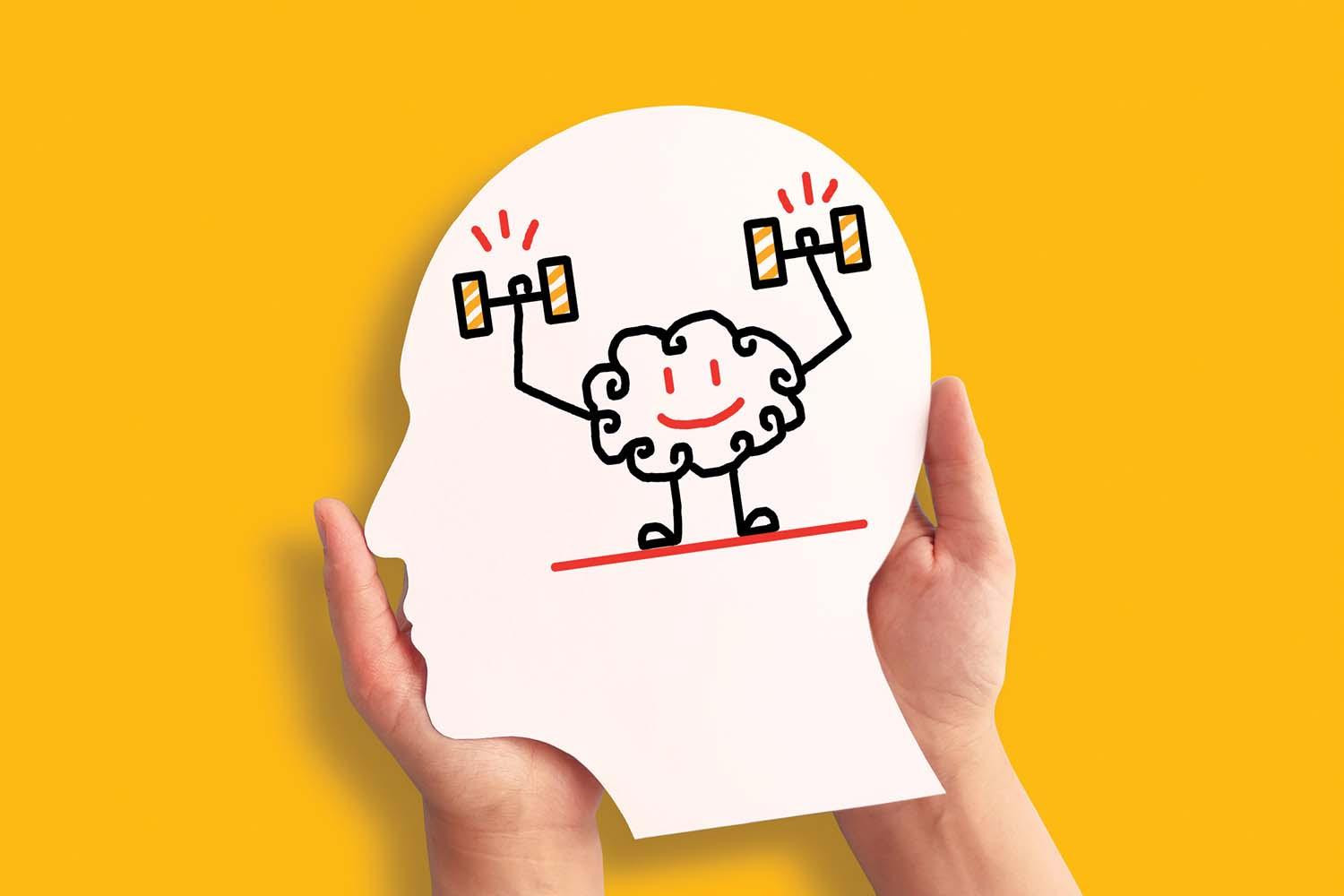
Boost your cognitive fitness in the new year
The new year is a good time to focus on cognitive fitness. Exercise, healthy eating, mental challenges, good sleep, controlling stress, and social engagement support neuroplasticity and help keep thinking and memory sharp.
Hip bursitis vs. arthritis: How to tell the difference
Fitness for longevity: Which type matters most?
Ministrokes linked to elevated risk of dementia
Continuous glucose monitors benefit people who don't need insulin
CoQ10: Should you take this popular supplement if you're on a statin?
Microplastics: A hidden health threat?
Oat vs. dairy milk: Nutrition, benefits, and downsides
What is tempeh? Benefits, nutrition, and how to use it
Healing after food poisoning
Whole grains may improve several heart risk factors at once
Free Healthbeat Signup
Get the latest in health news delivered to your inbox!
Sign Up
