

Hip bursitis vs. arthritis: How to tell the difference

Fitness for longevity: Which type matters most?

Ministrokes linked to elevated risk of dementia

Continuous glucose monitors benefit people who don't need insulin

CoQ10: Should you take this popular supplement if you're on a statin?

Microplastics: A hidden health threat?

Oat vs. dairy milk: Nutrition, benefits, and downsides

What is tempeh? Benefits, nutrition, and how to use it

Healing after food poisoning

Whole grains may improve several heart risk factors at once
Social engagement and relationships Archive
Articles

You don't say? A matter of taste
After age 50, the number of taste buds begins to decline, so it's natural for people to notice some changes in their sense of taste. But other conditions also can affect taste, such as nasal issues, certain medications, and conditions like dry mouth and acid reflux.
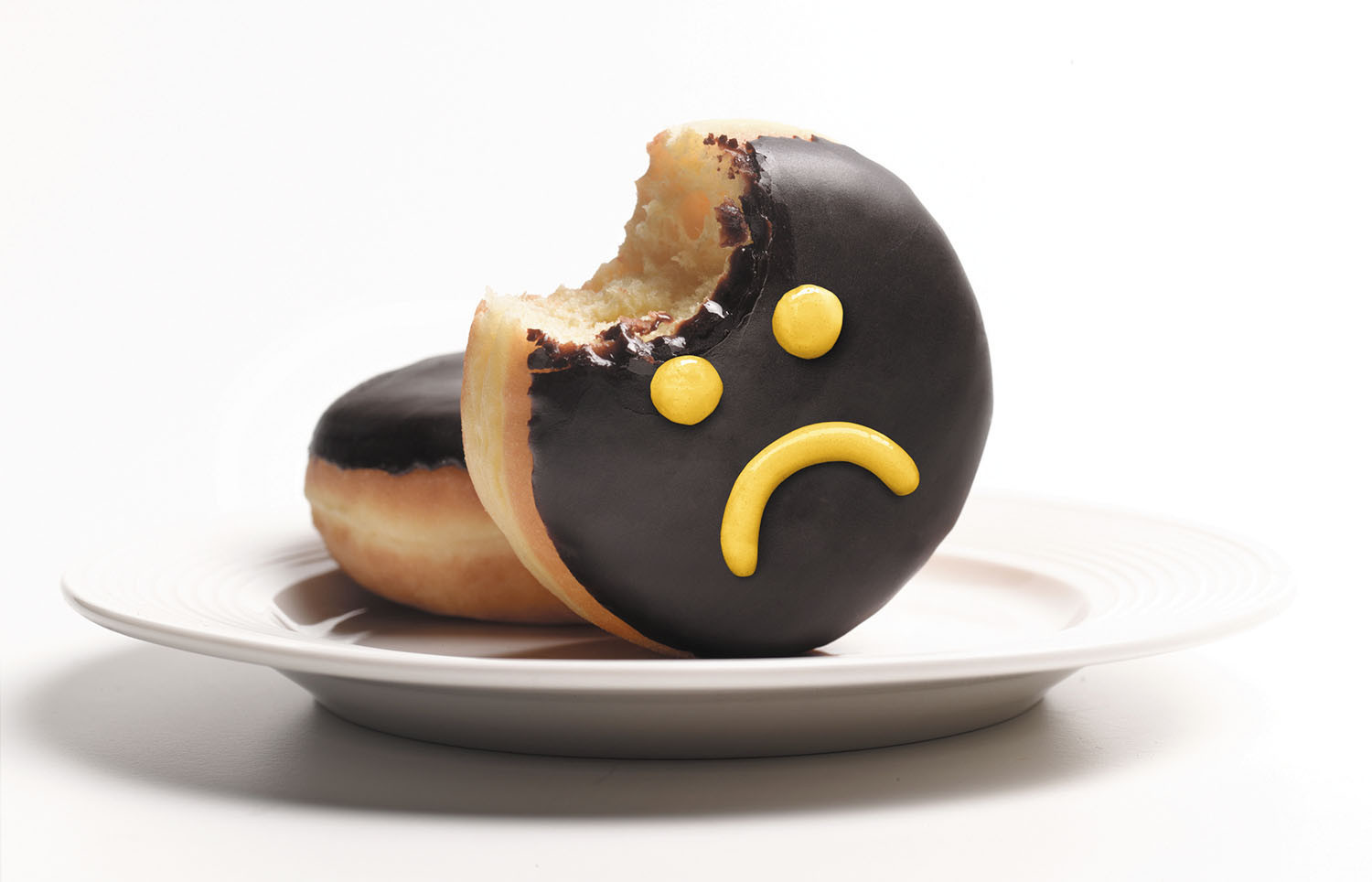
Cutting back on ultra-processed foods linked with lower dementia risk
People who ate large amounts of ultra-processed foods had a greater risk of later developing dementia compared with people who ate little of these foods, according to a 2022 study. Researchers estimated that switching out even 10% of ultra-processed foods for healthier options might lower one's risk.

Can taking enzyme supplements help soothe my bloating?
Digestive enzyme supplements are promoted to fix problems like bloating, gas, and bowel irregularity. However, for most people, there's little evidence that they help. Doctors may prescribe enzyme pills for people who can't make enough digestive enzymes because of a health condition.

Tracking blood pressure at home
Nearly half of U.S. adults have high blood pressure; however, only one-third of those who have the problem are aware of it. This is mostly because people only have blood pressure checked at doctor visits, so they don't know when it increases and requires medical attention. A simple solution is to take regular measurements with a home blood pressure monitor and keep track of their numbers to note changes.

Taking it slow
While an active life is a healthier one, there are times when people can benefit from embracing a slower pace, an approach commonly known as "slow living." Slow living isn't about doing less, but doing more with greater focus and purpose and at the right speed. The approach can help people lower stress, increase concentration and memory, and become more engaged in activities they enjoy.

Drinking black tea linked to longevity
A 2022 study found thatpeople who drank two or more cups of black tea per day had a 9% to 13% lower risk of premature death from any cause, compared with people who didn't drink black tea.

Drug-free solutions for pain
Relying on pain pills for persistent aches, pains, and soreness can come with side effects and increase the risk of drug dependency. A solution is to try any of several available drug-free therapies to help manage and even treat common types of pain, such as physical and massage therapy, yoga, acupuncture, and therapies that help change your perception and reaction to pain.

Programs to sharpen your driving skills
Several types of programs can make driving safer for older drivers. A Car-Fit evaluation helps improve the way a driver fits in a vehicle. A driving refresher course helps drivers stay up to date on driving techniques, laws, and vehicle safety technology. A formal driving assessment evaluates a person's physical and mental health and driving ability on the road. Driver rehabilitation provides training for people to use adaptive driving equipment, practice driving in challenging conditions, and develop safe driving habits.

6 myths about dementia
There are many misconceptions about dementia. One is that it's a disease. In fact, dementia is a general term describing thinking and memory skills that have deteriorated to the point of experiencing problems with daily activities. Another myth is that dementia is part of normal aging. It isn't; dementia is simply more common as people get older — just like heart disease, stroke, and cancer. Other common myths about dementia include the notions that it always appears as memory loss, it's always genetic, it causes the loss of all memories, and it's never reversible.

The Essential 8: Enhanced advice for a healthy heart
The American Heart Association revamped its online tool, My Life Check, designed to help people prevent cardiovascular disease. Along with other changes, the AHA added healthy sleep duration to the list of seven other factors assessed by the tool. Those factors are maintaining a healthy weight, not smoking, being physically active, eating a healthy diet, and keeping blood pressure, blood sugar, and cholesterol at acceptable levels. Each factor (now known as Life's Essential 8) are scored on a scale of 1 to 100 and used to generate a composite cardiovascular health score.
Hip bursitis vs. arthritis: How to tell the difference
Fitness for longevity: Which type matters most?
Ministrokes linked to elevated risk of dementia
Continuous glucose monitors benefit people who don't need insulin
CoQ10: Should you take this popular supplement if you're on a statin?
Microplastics: A hidden health threat?
Oat vs. dairy milk: Nutrition, benefits, and downsides
What is tempeh? Benefits, nutrition, and how to use it
Healing after food poisoning
Whole grains may improve several heart risk factors at once
Free Healthbeat Signup
Get the latest in health news delivered to your inbox!
Sign Up
