

Hip bursitis vs. arthritis: How to tell the difference

Fitness for longevity: Which type matters most?

Ministrokes linked to elevated risk of dementia

Continuous glucose monitors benefit people who don't need insulin

CoQ10: Should you take this popular supplement if you're on a statin?

Microplastics: A hidden health threat?

Oat vs. dairy milk: Nutrition, benefits, and downsides

What is tempeh? Benefits, nutrition, and how to use it

Healing after food poisoning

Whole grains may improve several heart risk factors at once
Strength training Archive
Articles
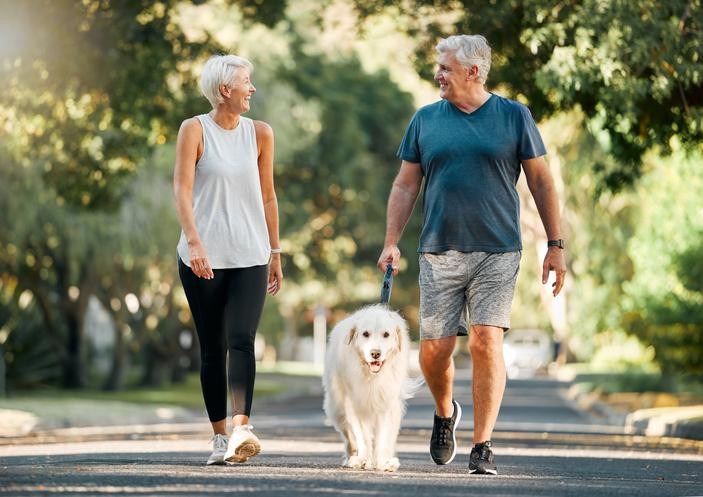
Timing and consistency of activity linked to better fitness
A 2025 study found that exercising earlier in the day (before 1 p.m.) offered more benefits like better lung and heart health and walking efficiency compared with exercising later in the day (after 4 p.m.).
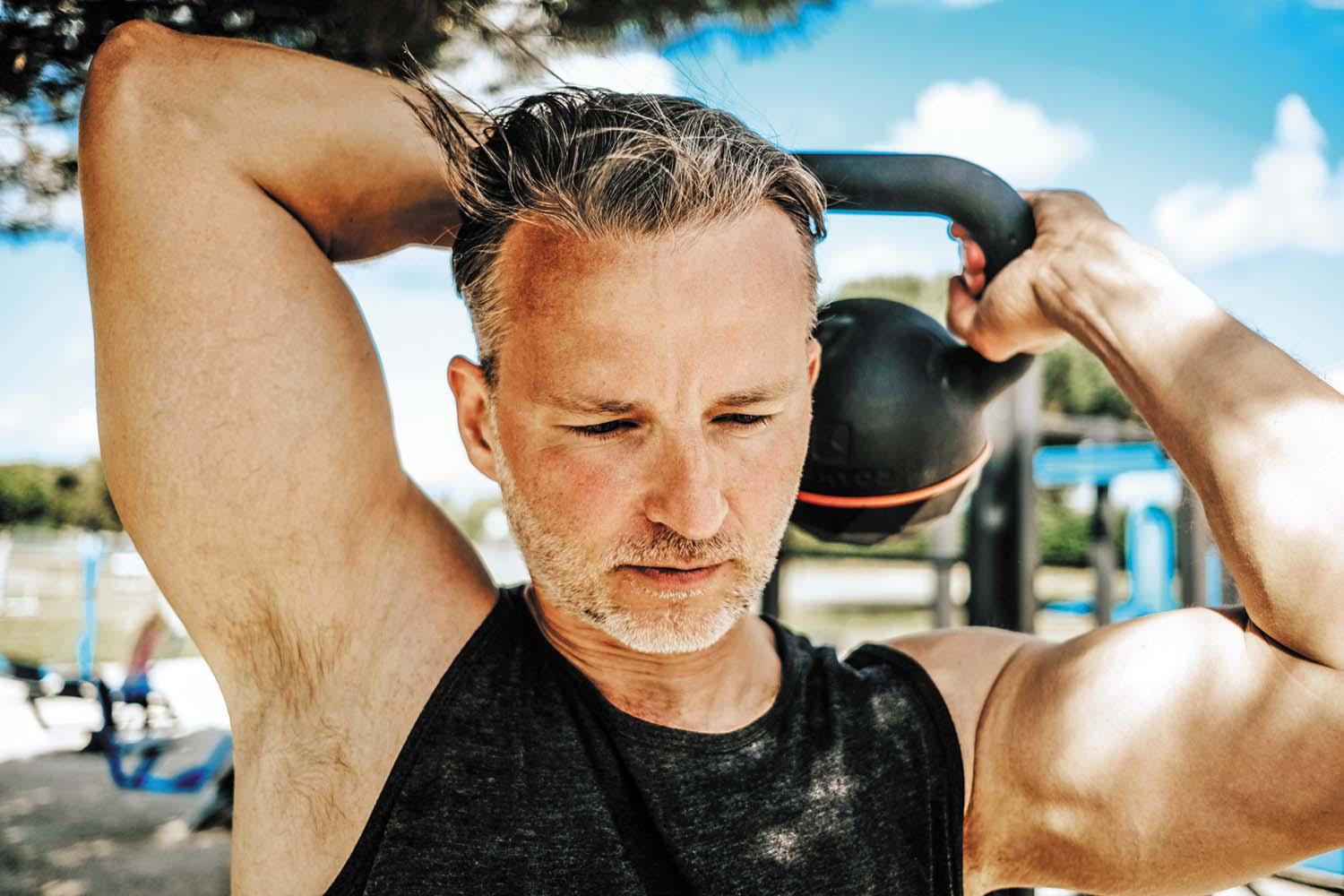
Coming full circle
Shoulder mobility is crucial for safely reaching overhead, carrying heavy items, and engaging in sports such as golf, tennis, and pickleball. Halos are one of the best exercises for improving shoulder mobility, flexibility, and strength. They can be performed with a kettlebell, a dumbbell, or even a heavy book. Halos are done by holding the weight with both hands and rotating it around the head in a circular motion, first in one direction and then the other, as if drawing a halo over the head.

What are the benefits of walking with a weighted vest?
Walking while wearing a weighted vest or backpack can help build muscle strength and bone density, improve the heart's pumping ability, expand lung capacity, and burn additional calories. People with neck or back pain should not wear a weighted vest.

Weight training may protect the brain from cognitive decline
A small 2025 study found that older adults who did six months of weight training improved their ability to recall recent events and information. They also had had less brain shrinkage in regions affected by Alzheimer's disease, compared with people who did not do the training.

Try this: Laughter yoga is nothing to joke about
Laughter yoga blends traditional yoga movements with laughter therapy to offer a playful approach to stress management. The group sessions consist of physical exercises and stretches, relaxation and breathing techniques, and forced smiling and vigorous laughter.

Exercise can reduce fall risk among older women taking multiple medications
A 2025 study suggested that a structured exercise plan can significantly reduce the risk of falls among older women who take multiple medications.



Get a lift from resistance training
National guidelines recommend at least two sessions of muscle-strengthening resistance training each week. Resistance training, also known as strength training, consists of upper- and lower-body exercises using free weights, weight machines, resistance bands, or one's own body weight. Resistance training offers an array of benefits, including increased muscle strength, improved heart health, stronger bones, better mobility, and greater brain function.

A three-pronged approach to exercise
To optimize cardiovascular health, the best strategy may be a workout that combines three types of exercise: moderate-intensity aerobic exercise, vigorous-intensity aerobic exercise, and strength training. Moderate activity burns calories and boosts metabolism, which helps control weight. Moderate-to-vigorous exercise also helps dampen the body's "fight or flight" response, which plays a role in chronic stress and anxiety. Aerobic exercise in general also helps the heart to become more efficient and blood vessels to become more flexible. Strength training makes the body more efficient at burning fat for energy and helps improve insulin sensitivity.
Hip bursitis vs. arthritis: How to tell the difference
Fitness for longevity: Which type matters most?
Ministrokes linked to elevated risk of dementia
Continuous glucose monitors benefit people who don't need insulin
CoQ10: Should you take this popular supplement if you're on a statin?
Microplastics: A hidden health threat?
Oat vs. dairy milk: Nutrition, benefits, and downsides
What is tempeh? Benefits, nutrition, and how to use it
Healing after food poisoning
Whole grains may improve several heart risk factors at once
Free Healthbeat Signup
Get the latest in health news delivered to your inbox!
Sign Up
