

Hip bursitis vs. arthritis: How to tell the difference

Fitness for longevity: Which type matters most?

Ministrokes linked to elevated risk of dementia

Continuous glucose monitors benefit people who don't need insulin

CoQ10: Should you take this popular supplement if you're on a statin?

Microplastics: A hidden health threat?

Oat vs. dairy milk: Nutrition, benefits, and downsides

What is tempeh? Benefits, nutrition, and how to use it

Healing after food poisoning

Whole grains may improve several heart risk factors at once
Stroke Archive
Articles
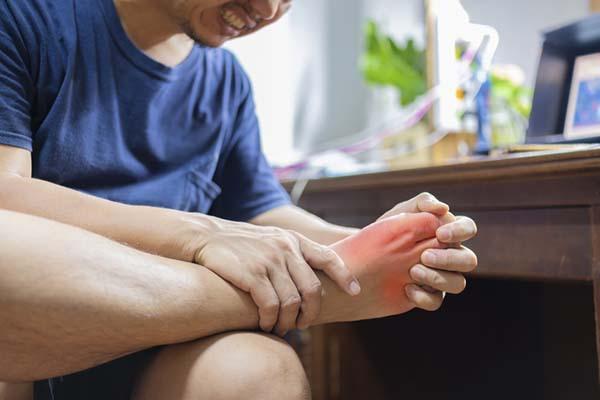
Effective treatment for gout can reduce heart disease risk
People who have gout, which results from excess uric acid in the body, are at increased risk for heart disease and stroke. A 2026 study found that maintaining uric acid levels below 6 mg/dL with medication reduced the risk for heart attack, stroke, and heart-related death.


Rethinking HDL cholesterol
The scientific understanding of HDL cholesterol has evolved in recent years, and many cardiologists now believe that HDL may be more of a bystander rather than a "good guy" that helps lower heart disease risk. While some types of HDL are great at plucking excess cholesterol from LDL and artery walls (a process referred to as reverse cholesterol transport) other types of HDL don't do this. In clinical trials, medications to raise HDL levels-including a drug specifically designed to improve reverse cholesterol transport-have not succeeded in lowering heart attacks and strokes.
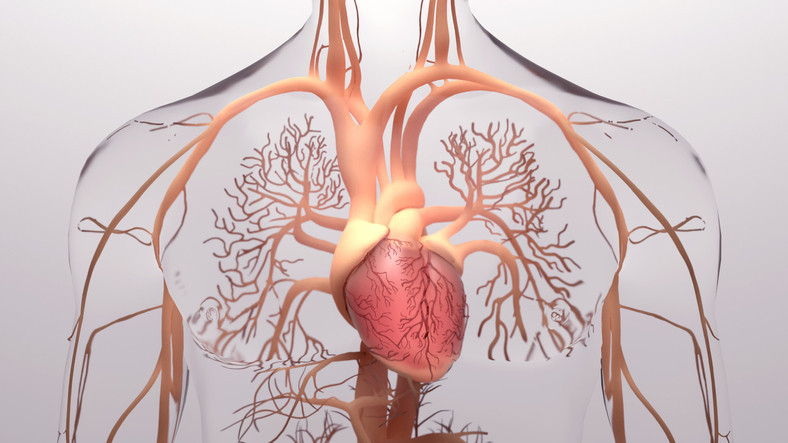
How good is your cardiometabolic health - and what is that, anyway?
An analysis shows less than 7% of adults in the US meet the criteria for optimal cardiometabolic health. Taking small steps to help control and improve key risk factors can reduce the odds of a heart attack or stroke.

Could an unexplained blackout have been a seizure?
A blackout can be frightening and confusing. Learn what clues doctors look for and which tests help uncover the cause.

Is occasional forgetfulness a normal part of aging?
Name slips and misplaced keys can feel unsettling in your 70s. Learn which memory changes are typical and when they might signal something more.

Measles is making a comeback: Can we stop it?
In the US, widespread vaccination halted the ongoing spread of measles more than 20 years ago, but recent outbreaks have flared in over 20 US states, leading to hospitalizations and at least two deaths. Measles is highly preventable - here's what you need to know.
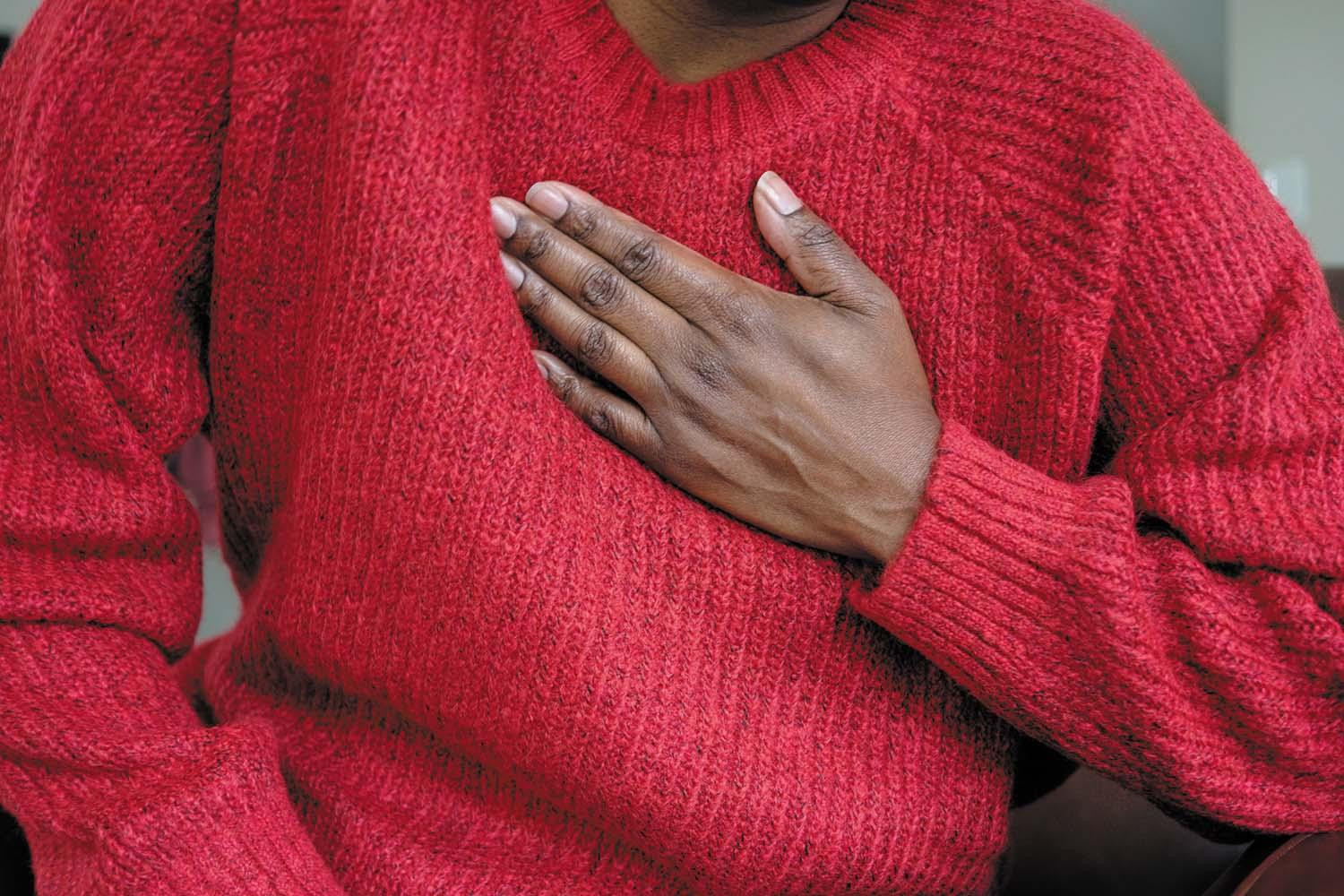
What does heartburn feel like?
Heartburn often starts after a meal. It can create a burning sensation high in the abdomen, just below the bottom of the breastbone, or underneath the middle of the breastbone in the chest. It can also include other symptoms.


Hip bursitis vs. arthritis: How to tell the difference
Fitness for longevity: Which type matters most?
Ministrokes linked to elevated risk of dementia
Continuous glucose monitors benefit people who don't need insulin
CoQ10: Should you take this popular supplement if you're on a statin?
Microplastics: A hidden health threat?
Oat vs. dairy milk: Nutrition, benefits, and downsides
What is tempeh? Benefits, nutrition, and how to use it
Healing after food poisoning
Whole grains may improve several heart risk factors at once
Free Healthbeat Signup
Get the latest in health news delivered to your inbox!
Sign Up
