

Hip bursitis vs. arthritis: How to tell the difference

Fitness for longevity: Which type matters most?

Ministrokes linked to elevated risk of dementia

Continuous glucose monitors benefit people who don't need insulin

CoQ10: Should you take this popular supplement if you're on a statin?

Microplastics: A hidden health threat?

Oat vs. dairy milk: Nutrition, benefits, and downsides

What is tempeh? Benefits, nutrition, and how to use it

Healing after food poisoning

Whole grains may improve several heart risk factors at once
Stroke Archive
Articles

Time for a diabetes tune-up
A major theme of the 2023 American Diabetes Association Standards of Medical Care guide is healthy weight loss. The new guidelines also encourage collaboration on meaningful lifestyle changes that help with sleep and health metric targets.

Taking more steps a day might reduce dementia risk
People who take between 3,800 and 9,800 steps daily may reduce their risk for dementia, and walking at a brisk pace could offer even more protection, according to a 2022 study.
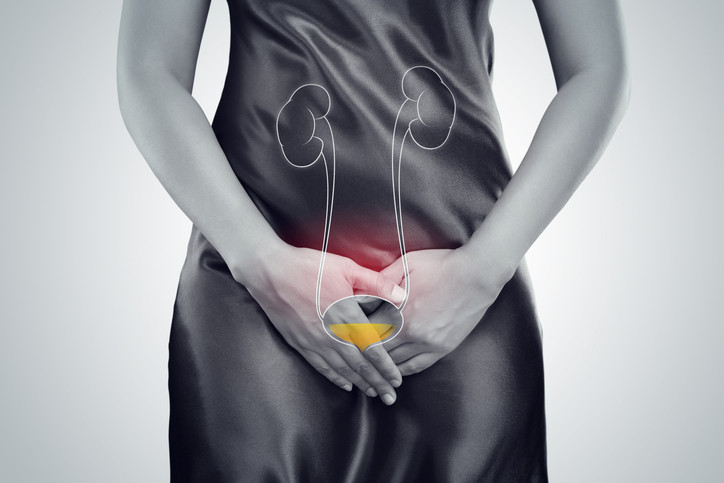
Did I cause my partner's bladder infection?
While a man cannot directly give his female partner a bladder infection, he can increase her risk with vigorous or frequent sexual intercourse.

The many ways exercise helps your heart
Aerobic and muscle-building exercises can trigger physiological changes that improve blood vessels and metabolism in ways that help prevent all the major risk factors that contribute to heart disease. These include high blood pressure, diabetes, obesity, and unhealthy cholesterol levels. Exercise can also improve mental health problems such as depression and stress, which are common but underrecognized risks for heart disease.

Got a goiter?
An enlarged thyroid, called a goiter, or nodules on the gland are quite common, especially in women. Doctors pat down the neck during physical exams to help detect these conditions. Treatment depends on whether a lesion is cancerous or causing severe symptoms. Some goiters or nodules are simply monitored over time.

Bothered by a stuffed-up nose?
Several problems can block the passages on one or both sides of the nose. For example, allergies can inflame sensitive tissue inside the nose, reducing the space left for air to flow through nasal passages; a crooked wall (septum) separating the passages of the nose can block airflow, making it hard to breathe; and aging can cause tissues in the nose to sag, which can narrow nasal passages. Strategies to open nasal passages depend on the cause of obstruction. Treatments range from using nasal sprays to widening nasal passages with surgery.
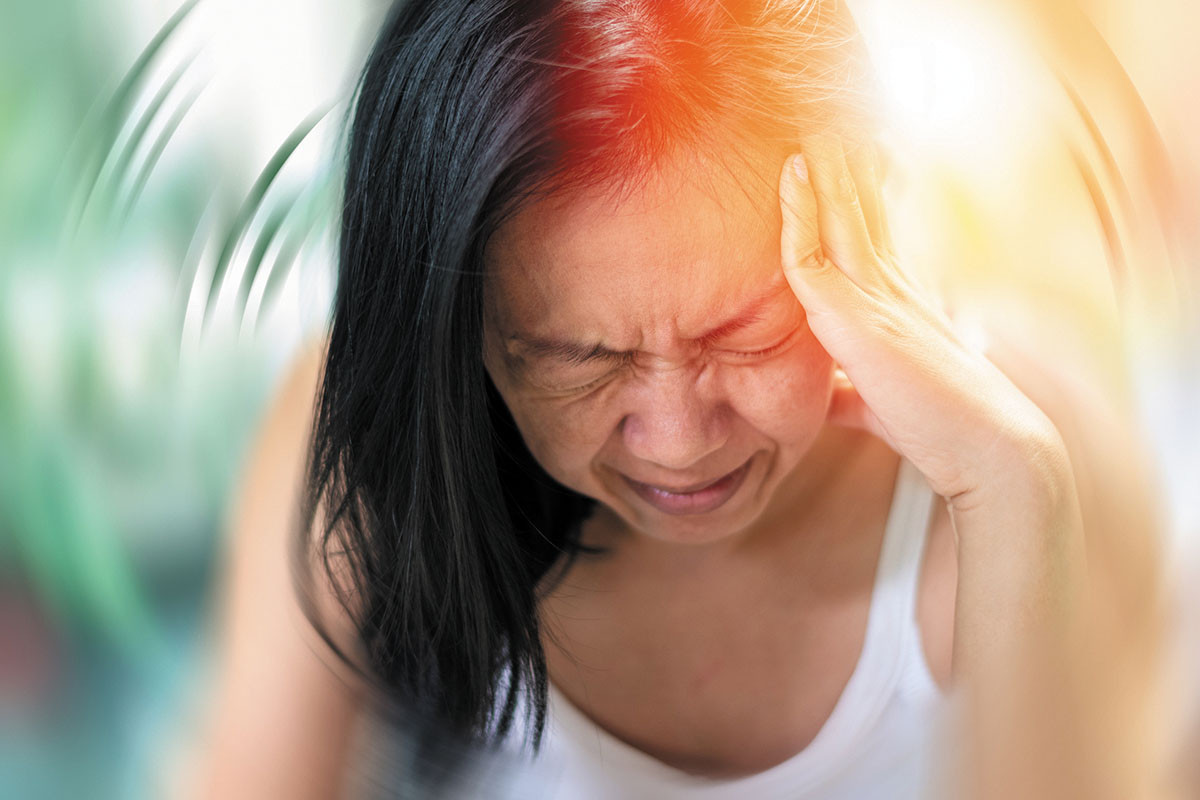
How can I tell if I have a concussion?
Concussions occur when the brain bumps or twists inside the skull after a blow to the head. Signs of concussion include headache, eye pain or fatigue, neck pain or stiffness, imbalance, impaired depth perception, difficulty remembering, or sleep pattern changes.

Poor physical function may predict cardiovascular disease
A new study suggests that older adults who maintain an high level functional fitness have a lower their risk of heart attack, heart failure, and stroke compared with those who are not as fit.
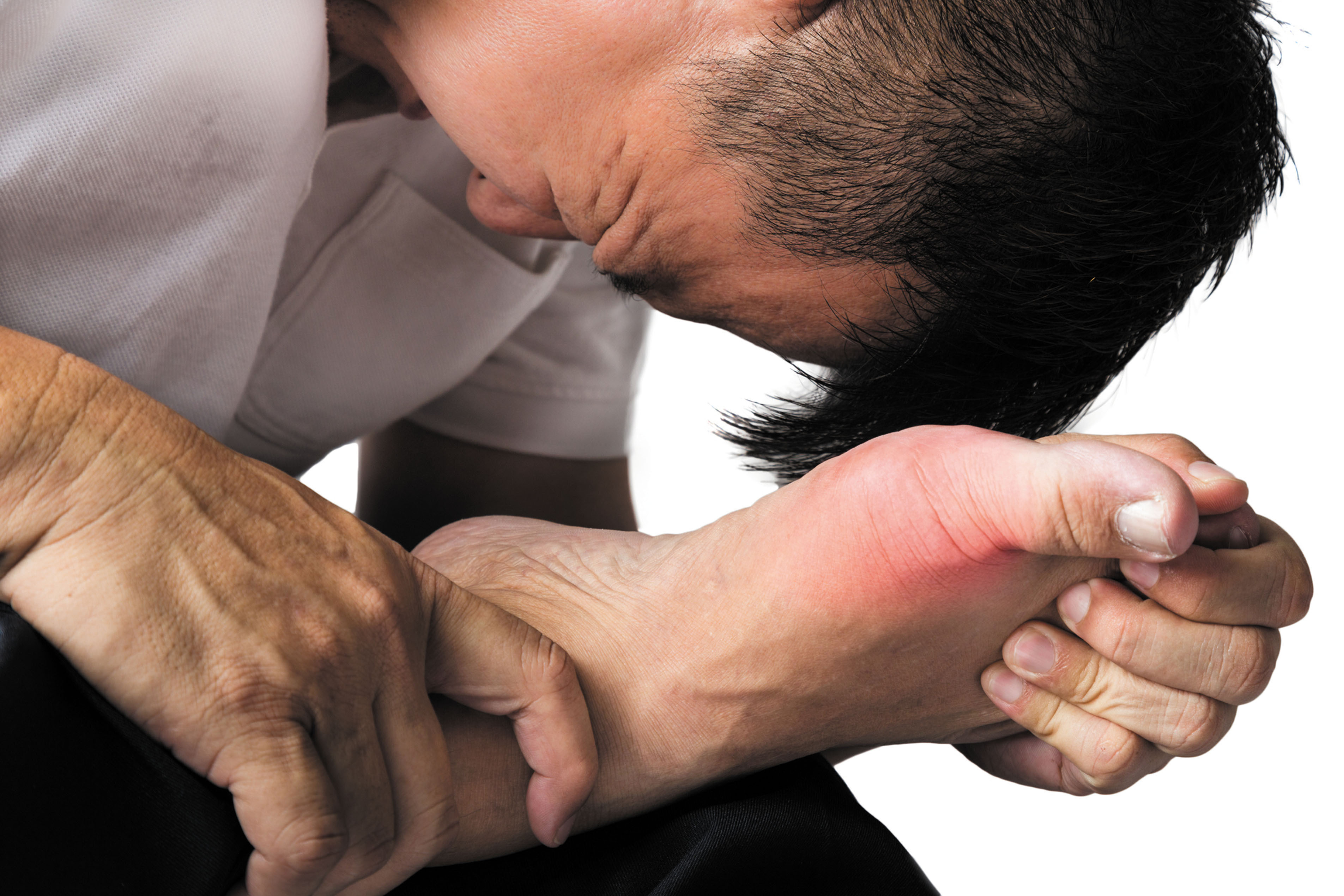
Gout linked with risk for heart attack and stroke
Gout strikes when too much uric acid builds up in the body and triggers severe pain, swelling, and redness in one or more joints, often in the big toe. New research suggests that an episode may increase the risk for a heart attack or stroke over the following two months.

Are your medications keeping you up at night?
Many medications can affect sleep. These include prescription drugs as well as over-the-counter remedies. For example, decongestants, certain antidepressants, or beta blockers can make it hard to fall or stay asleep, and nicotine replacement medications can cause a person to have nightmares. Strategies to avoid drug-related sleep problems include taking the medication during the day, taking a lower dose, practicing good sleep hygiene (such as going to bed and waking up at the same time each day), or switching to a new medication.
Hip bursitis vs. arthritis: How to tell the difference
Fitness for longevity: Which type matters most?
Ministrokes linked to elevated risk of dementia
Continuous glucose monitors benefit people who don't need insulin
CoQ10: Should you take this popular supplement if you're on a statin?
Microplastics: A hidden health threat?
Oat vs. dairy milk: Nutrition, benefits, and downsides
What is tempeh? Benefits, nutrition, and how to use it
Healing after food poisoning
Whole grains may improve several heart risk factors at once
Free Healthbeat Signup
Get the latest in health news delivered to your inbox!
Sign Up
