

Hip bursitis vs. arthritis: How to tell the difference

Fitness for longevity: Which type matters most?

Ministrokes linked to elevated risk of dementia

Continuous glucose monitors benefit people who don't need insulin

CoQ10: Should you take this popular supplement if you're on a statin?

Microplastics: A hidden health threat?

Oat vs. dairy milk: Nutrition, benefits, and downsides

What is tempeh? Benefits, nutrition, and how to use it

Healing after food poisoning

Whole grains may improve several heart risk factors at once
Stroke Archive
Articles

Adult female acne: Why it happens and the emotional toll
Women are more likely to get acne after age 20 than men. Unfortunately, treatment options that worked in the teenage years may not work as well in adult females. The emotional toll of acne may include a higher risk of developing depression, and having severe acne can negatively affect quality of life.

I'm too young to have Alzheimer's disease or dementia, right?
Alzheimer's disease and other forms of dementia are something we think of as diseases of old age. Memory loss is a common symptom, and something that people in midlife also experience — but young onset dementia is very uncommon.

Cognitive effects in midlife of long-term cannabis use
As more US states have legalized recreational cannabis or passed medical cannabis laws, public perception that cannabis is a harmless substance is growing. But its long-term benefits and risks remain unclear, and research has revealed consistently that heavy long-term cannabis use can affect cognition in midlife.

If climate change keeps you up at night, here's how to cope
Climate anxiety is distress related to worries about how the effects of climate change. It's more likely to affect adolescents and young adults, leading to chronic stress, depression, anxiety, behavioral problems, and more. What can you do to manage climate anxiety in yourself or a young person in your life?

Struggling with migraine hangovers? Read this
Migraines can last hours or days and span several distinct phases. A post-headache phase leaves as many as four out of five migraine sufferers feeling like they have a hangover. Experts recommend different approaches to help ward off lingering symptoms depending on their intensity.

Take a cue for better memory recall
People who struggle to remember names, details, or words during conversation are dealing with a phenomenon called "blocking," which is related to diminished memory recall. Addressing issues like stress, depression, an unhealthy diet, insomnia, lack of exercise, and prolonged isolation can improve recall. Otherwise, when blocking situations arise, people can try to incorporate cueing, a method that uses "hints" to help the brain better retrieve information.

Protein intake associated with less cognitive decline
Compared with eating carbohydrates, eating protein—particularly protein from plants— was associated with lower odds of later developing cognitive declines, according to a Harvard study in the January 2022 issue of The American Journal of Clinical Nutrition.
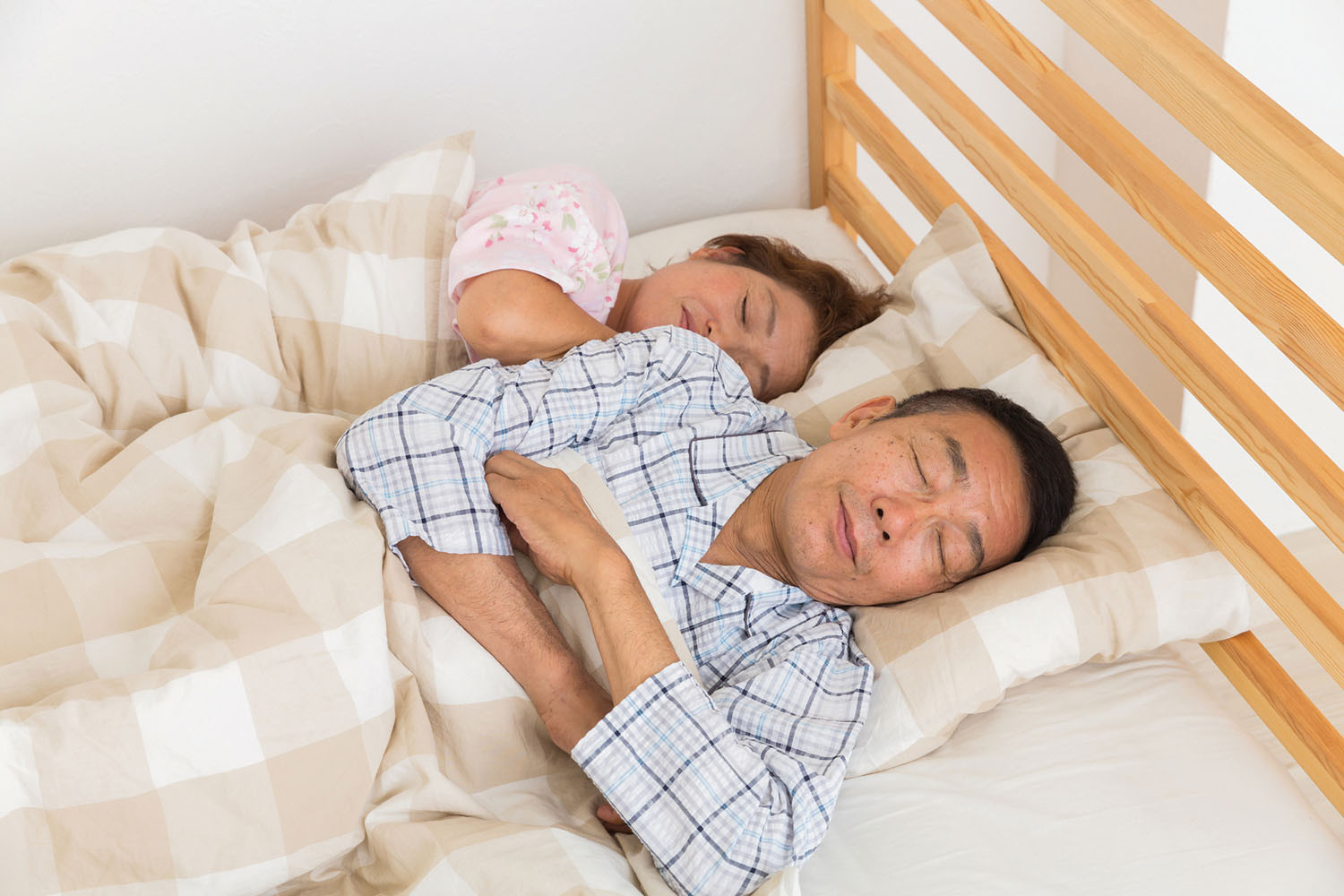
What's the best sleep position to combat heartburn?
Among people with chronic heartburn, sleeping on the left side appears to help backed-up stomach acid leave the esophagus faster than sleeping on the right side or back, according to a study in the February 2022 issue of The American Journal of Gastroenterology.

Is it okay to use proton-pump inhibitors on demand?
When doctors say that it's okay to take proton-pump inhibitors (PPIs) "on demand" for chronic heartburn, the advice doesn't apply to everyone. PPIs inhibit the production of stomach acid, which can back up into the esophagus and can cause pain (heartburn) and damage the lining of the esophagus. People with damage to the esophagus often stay on PPIs long-term to prevent further problems. People without damage to the esophagus can take a short course of PPIs as needed.

Why do I itch more at night?
Nighttime skin itching can stem from dry skin, hormone changes, certain medications and skin care products, and rarely, a more serious illness. It can help to change bedding or pajamas, take short baths or showers, apply moisturizer liberally, and use a humidifier.
Hip bursitis vs. arthritis: How to tell the difference
Fitness for longevity: Which type matters most?
Ministrokes linked to elevated risk of dementia
Continuous glucose monitors benefit people who don't need insulin
CoQ10: Should you take this popular supplement if you're on a statin?
Microplastics: A hidden health threat?
Oat vs. dairy milk: Nutrition, benefits, and downsides
What is tempeh? Benefits, nutrition, and how to use it
Healing after food poisoning
Whole grains may improve several heart risk factors at once
Free Healthbeat Signup
Get the latest in health news delivered to your inbox!
Sign Up
