

Hip bursitis vs. arthritis: How to tell the difference

Fitness for longevity: Which type matters most?

Ministrokes linked to elevated risk of dementia

Continuous glucose monitors benefit people who don't need insulin

CoQ10: Should you take this popular supplement if you're on a statin?

Microplastics: A hidden health threat?

Oat vs. dairy milk: Nutrition, benefits, and downsides

What is tempeh? Benefits, nutrition, and how to use it

Healing after food poisoning

Whole grains may improve several heart risk factors at once
Surgical treatments and procedures Archive
Articles
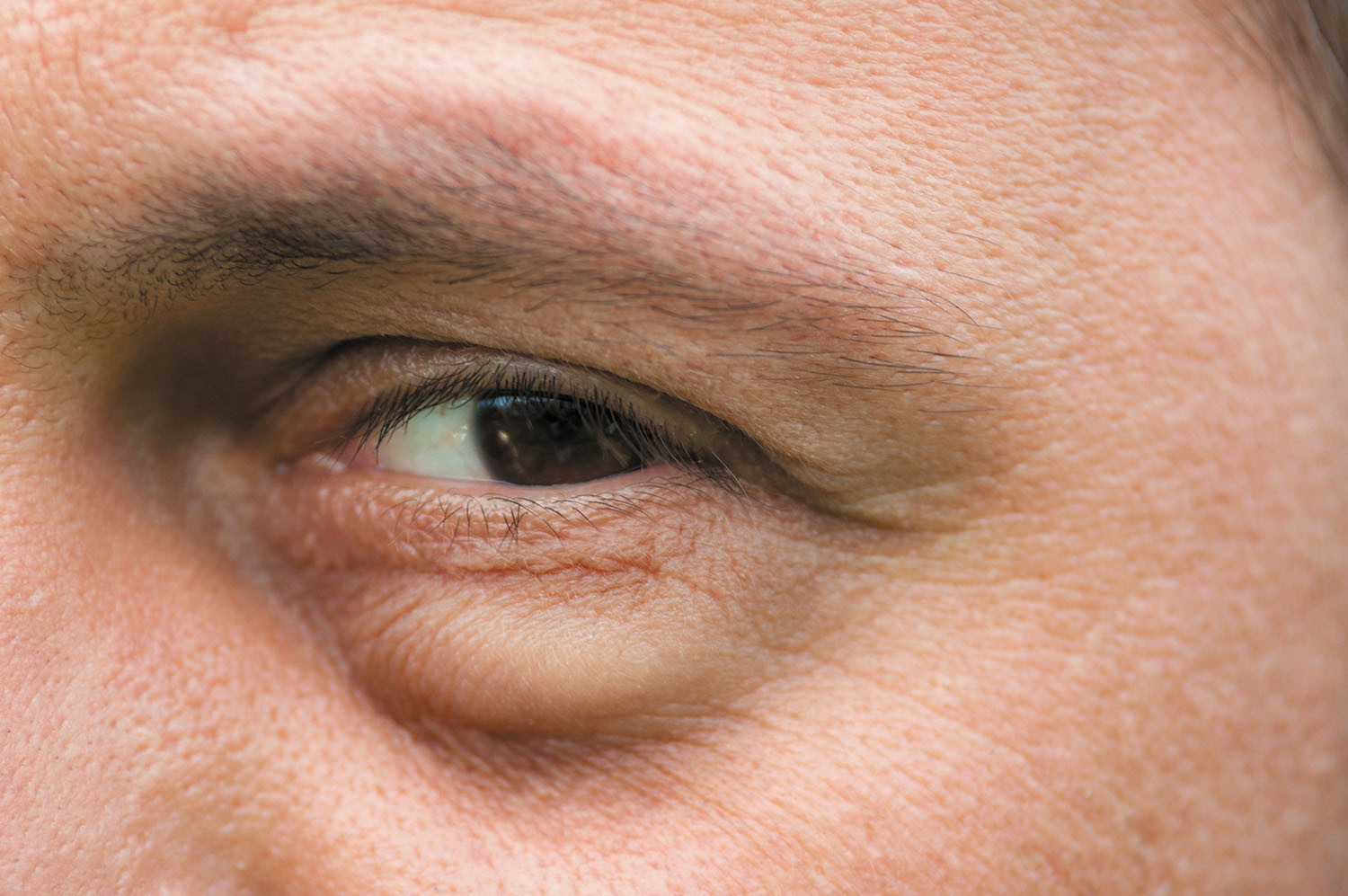
You don't say? Under eye bags and dark circles

New treatment for pericarditis approved

High blood pressure? Treat the risk, not the number

Chronic gut inflammation: Coping with inflammatory bowel disease

A vaccine that can prevent shingles

Reducing heart risks in the wake of breast cancer treatment

Battle of the bulges

Help for erectile dysfunction

Why people faint: From common to very rare causes

Right-sizing opioid prescriptions after surgery
It's common for doctors to prescribe opioid pain medications for their patients after surgery; however, prescribing large numbers of pills increases the possibility of dependence and overdose. Writing prescriptions for smaller quantities of pills while still monitoring people's pain is one way to reduce the likelihood that a person develops a problem.
Hip bursitis vs. arthritis: How to tell the difference
Fitness for longevity: Which type matters most?
Ministrokes linked to elevated risk of dementia
Continuous glucose monitors benefit people who don't need insulin
CoQ10: Should you take this popular supplement if you're on a statin?
Microplastics: A hidden health threat?
Oat vs. dairy milk: Nutrition, benefits, and downsides
What is tempeh? Benefits, nutrition, and how to use it
Healing after food poisoning
Whole grains may improve several heart risk factors at once
Free Healthbeat Signup
Get the latest in health news delivered to your inbox!
Sign Up
