

Hip bursitis vs. arthritis: How to tell the difference

Fitness for longevity: Which type matters most?

Ministrokes linked to elevated risk of dementia

Continuous glucose monitors benefit people who don't need insulin

CoQ10: Should you take this popular supplement if you're on a statin?

Microplastics: A hidden health threat?

Oat vs. dairy milk: Nutrition, benefits, and downsides

What is tempeh? Benefits, nutrition, and how to use it

Healing after food poisoning

Whole grains may improve several heart risk factors at once
Surgical treatments and procedures Archive
Articles

A look at nail problems
Toenail fungus, ingrown toenails, and brittle or cracked fingernails are common nail problems that affect older adults. They can make hands and feet unsightly and sometimes even painful. Treating these problems and preventing them from returning often takes a trial-and-error approach, diligence, and patience. Strategies include a combination of home remedies, over-the-counter medication, and good hygiene and grooming habits.

Heart disease and depression: A two way street
A heart disease diagnosis may trigger a bout of depression. But having depression can also leave people more vulnerable to heart disease. Some of the overlap stems from shared lifestyle factors, such as inactivity and an unhealthy diet. In addition to addressing those issues, other safe and effective ways to ease depression include working with a therapist, using a light box, and taking medications.
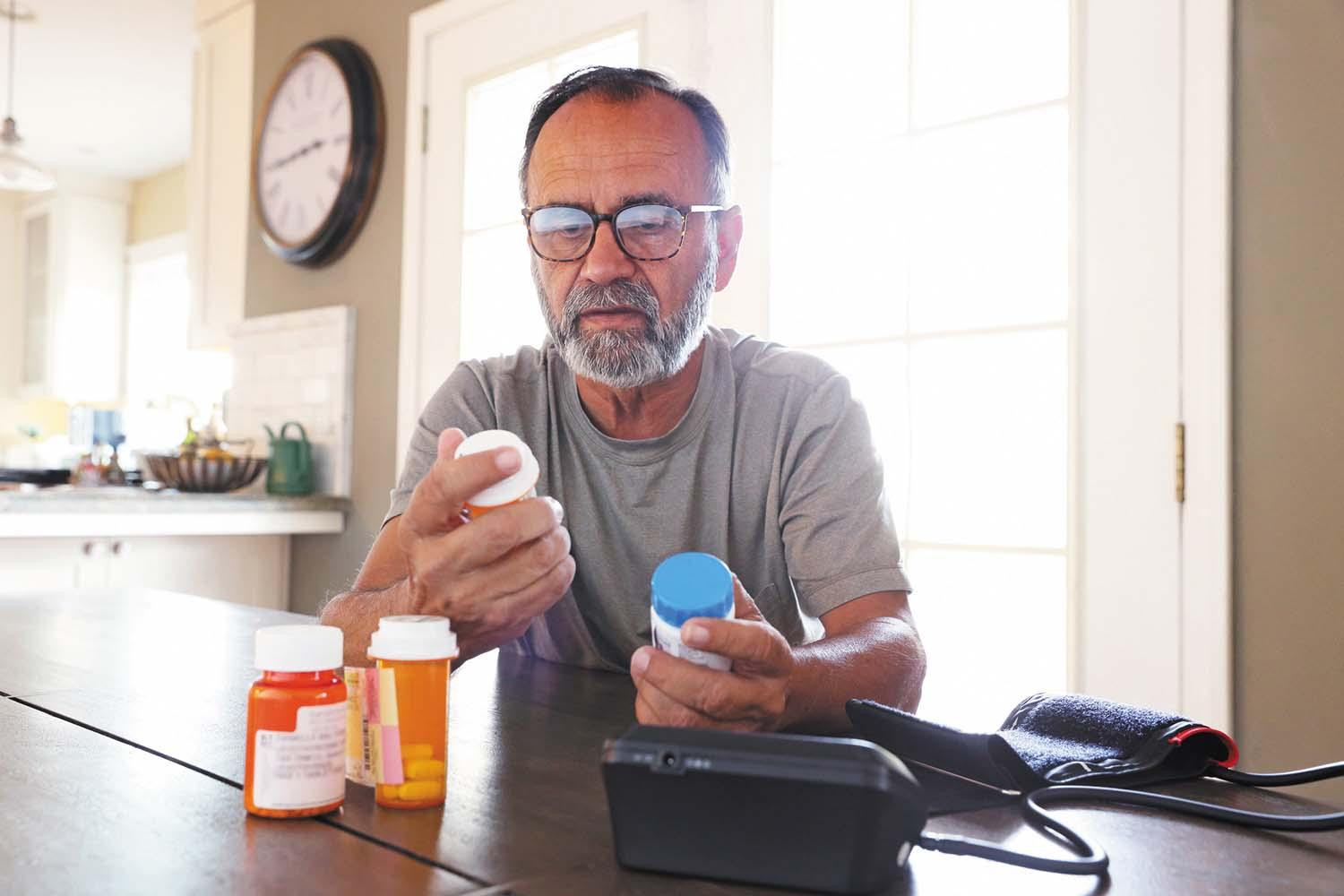
Staying healthy after a heart procedure
After common heart procedures or surgeries, medications to help prevent heart attacks and strokes are essential. These include a combination of drugs to prevent blood clots (which is known as dual antiplatelet therapy and usually taken for just one year); drugs to lower LDL cholesterol down to 70 milligrams per deciliter or lower; and drugs to keep blood pressure and blood sugar in a healthy range.

People with Lp(a) gene variant may benefit from daily aspirin
An inexpensive blood test that checks for a genetic variant of Lp(a)-a fatty particle similar to LDL cholesterol-may help clarify who might benefit from a daily low-dose aspirin, according to a 2025 review of study findings.

Analysis highlights best treatments for neuropathic pain
A 2025 analysis found that tricyclic antidepressants, the anticonvulsants gabapentin (Neurontin) and pregabalin (Lyrica), and serotonin-norepinephrine reuptake inhibitors, such as duloxetine (Cymbalta) were the most effective drug treatments for neuropathic pain.

Why do I feel more clumsy with age?
As people get older, they may get clumsier because of multiple factors such as declining hearing and vision, loss of muscle, balance issues, and chronic health conditions. Addressing these issues can help people avoid injury from falls and other accidents.
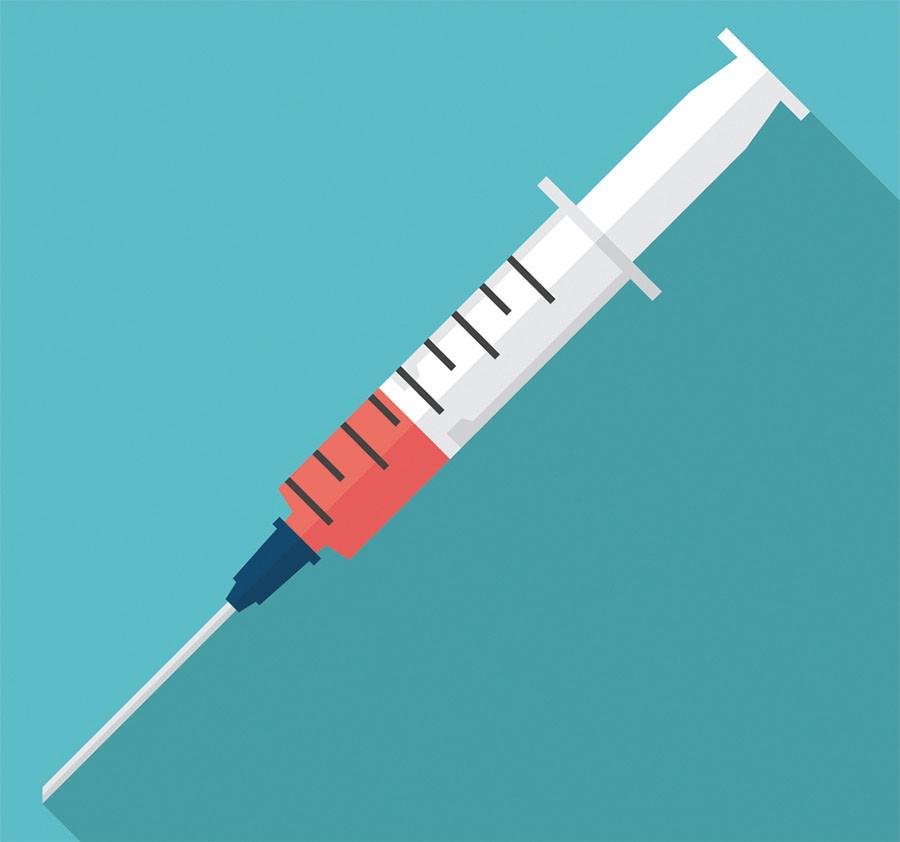
Will we ever have a vaccine to prevent Alzheimer's disease?
There are currently nine trials of vaccines for Alzheimer's disease under way. All of them are in people with mild Alzheimer's or with the pre-Alzheimer's condition called mild cognitive impairment. All of the vaccines are designed to encourage the immune system to remove protein deposits from the brain. Most experimental vaccines are given by injection; one being tested at Harvard Medical School uses a nasal spray. It will be several years before we know if any of them will work.

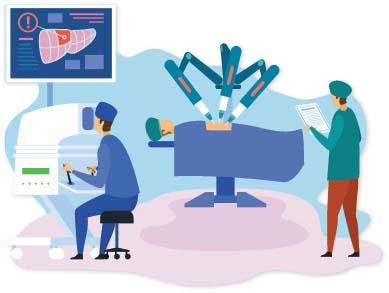
Is robotic surgery a good idea?
In robotic surgery, a surgeon controls robotic instruments that perform the operation, based on what the surgeon sees on a TV monitor. This type of surgery has many advantages: it involves small incisions, better views inside the body, and better range of motion than human hands. A research letter published in the May 2025 issue of JAMA Neurology described how robots controlled by a distant surgeon could reach in, grab, and remove blood clots stuck in a brain artery, reducing the damage from a stroke.

4 questions to ask before you get anesthesia
The four types of anesthesia include local anesthesia, regional anesthesia, monitored anesthesia, and general anesthesia. Before getting anesthesia, one should ask the doctor which type of anesthesia will be administered, what its risks are, and if delirium is a high risk. One should also ask how to prepare for anesthesia in the days leading up to a procedure-whether medications might need to be temporarily halted, when to stop eating or drinking before surgery, and whether to schedule measures to help reduce delirium.
Hip bursitis vs. arthritis: How to tell the difference
Fitness for longevity: Which type matters most?
Ministrokes linked to elevated risk of dementia
Continuous glucose monitors benefit people who don't need insulin
CoQ10: Should you take this popular supplement if you're on a statin?
Microplastics: A hidden health threat?
Oat vs. dairy milk: Nutrition, benefits, and downsides
What is tempeh? Benefits, nutrition, and how to use it
Healing after food poisoning
Whole grains may improve several heart risk factors at once
Free Healthbeat Signup
Get the latest in health news delivered to your inbox!
Sign Up
