

Hip bursitis vs. arthritis: How to tell the difference

Fitness for longevity: Which type matters most?

Ministrokes linked to elevated risk of dementia

Continuous glucose monitors benefit people who don't need insulin

CoQ10: Should you take this popular supplement if you're on a statin?

Microplastics: A hidden health threat?

Oat vs. dairy milk: Nutrition, benefits, and downsides

What is tempeh? Benefits, nutrition, and how to use it

Healing after food poisoning

Whole grains may improve several heart risk factors at once
Type 1 diabetes Archive
Articles

Taming the chronic inflammation of psoriasis

What happened to trusting medical experts?
In all aspects of our lives, we rely on the knowledge and advice of experts. So why are hundreds of thousands of people in the US rejecting advice on COVID-19 from well-respected health authorities, and embracing advice from those with dubious expertise –– and unproven and potentially dangerous remedies?

Did we really gain weight during the pandemic?
Researchers studying weight gain during the pandemic looked at health records for millions of people from both before it and during the first year of it. Unsurprisingly, a significant percentage of people gained weight, but less expected is that nearly as many people lost weight during the same time period.

Reduce the health risks from "forever chemicals"

Can I skip vaccination if I had COVID?
Evidence suggests that people who've had COVID-19 may have some natural protection against the virus, but will have a much stronger immune response if they also get the vaccine.

Can COVID cause diabetes?
COVID-19 infections may raise the risk of developing diabetes, because the virus can damage insulin-producing cells in the pancreas.

Can you get shingles more than once?
It is possible to get shingles more than once. But getting vaccinated with the Shingrix vaccine may help prevent this from occurring.

Better blood sugar tracking: A benefit for heart health?
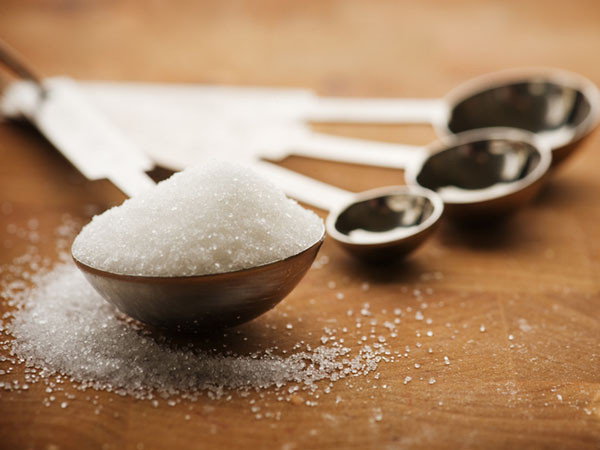
Sugar: How sweet it is... or is it?
As more Americans are considered obese, including children, a study examined what effect a voluntary reduction in the sugar content of foods would have on rates of obesity, diabetes, heart disease, and health care costs. But in the absence of such a change, there are ways you can reduce your sugar intake without having to give up sweet treats entirely.
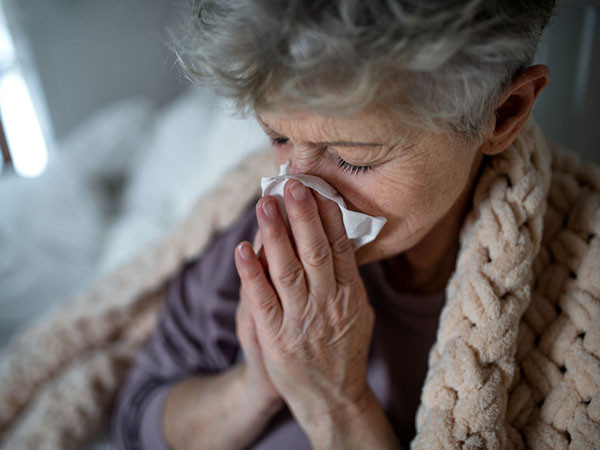
Remember the flu? Yep, it's that time again
Last winter's flu season was mild, partly due to record high rates of flu vaccination and steps people were already taking to protect themselves from COVID-19. But don't let that fool you — some flu seasons are severe, so it it's wise to get a flu shot and take other precautions that can help you stay healthy this winter.
Hip bursitis vs. arthritis: How to tell the difference
Fitness for longevity: Which type matters most?
Ministrokes linked to elevated risk of dementia
Continuous glucose monitors benefit people who don't need insulin
CoQ10: Should you take this popular supplement if you're on a statin?
Microplastics: A hidden health threat?
Oat vs. dairy milk: Nutrition, benefits, and downsides
What is tempeh? Benefits, nutrition, and how to use it
Healing after food poisoning
Whole grains may improve several heart risk factors at once
Free Healthbeat Signup
Get the latest in health news delivered to your inbox!
Sign Up
