

Hip bursitis vs. arthritis: How to tell the difference

Fitness for longevity: Which type matters most?

Ministrokes linked to elevated risk of dementia

Continuous glucose monitors benefit people who don't need insulin

CoQ10: Should you take this popular supplement if you're on a statin?

Microplastics: A hidden health threat?

Oat vs. dairy milk: Nutrition, benefits, and downsides

What is tempeh? Benefits, nutrition, and how to use it

Healing after food poisoning

Whole grains may improve several heart risk factors at once
Urinary incontinence Archive
Articles

Can self-employment promote better cardiovascular health for women?
Being self-employed can offer advantages like flexibility and autonomy in a person's work life. Now, data from a long-term health study suggests that self-employment may provide another benefit for some women: improved health outcomes.

Prostate cancer: Radiation therapy elevates risk for future cancers
A standard treatment for localized prostate cancer is radiation, but there is a risk that it can lead to secondary cancers forming in the body later. Now, a large study of men treated with current radiation delivery methods clarifies that the amount of risk is low, but real.

Women who undergo earlier screening less likely to develop colorectal cancer
A 2022 study found that women who begin colorectal cancer screening at age 45 with colonoscopy or sigmoidoscopy are far less likely to develop the disease than women who don't undergo any screening or who start screening at age 50.

Should I use vaginal probiotics?
Vaginal probiotics contain live microorganisms and come in oral and suppository forms. Some ads claim these products can prevent or treat infections. But the vagina regulates its own bacterial mix, so vaginal probiotics aren't necessary.

What symptoms should I report to my gynecologist?
Women with unusual pelvic or vaginal symptoms should report them to their gynecologist. These symptoms include vaginal odor, itching, or burning; menstrual changes; pelvic pain or discomfort; or new bleeding.
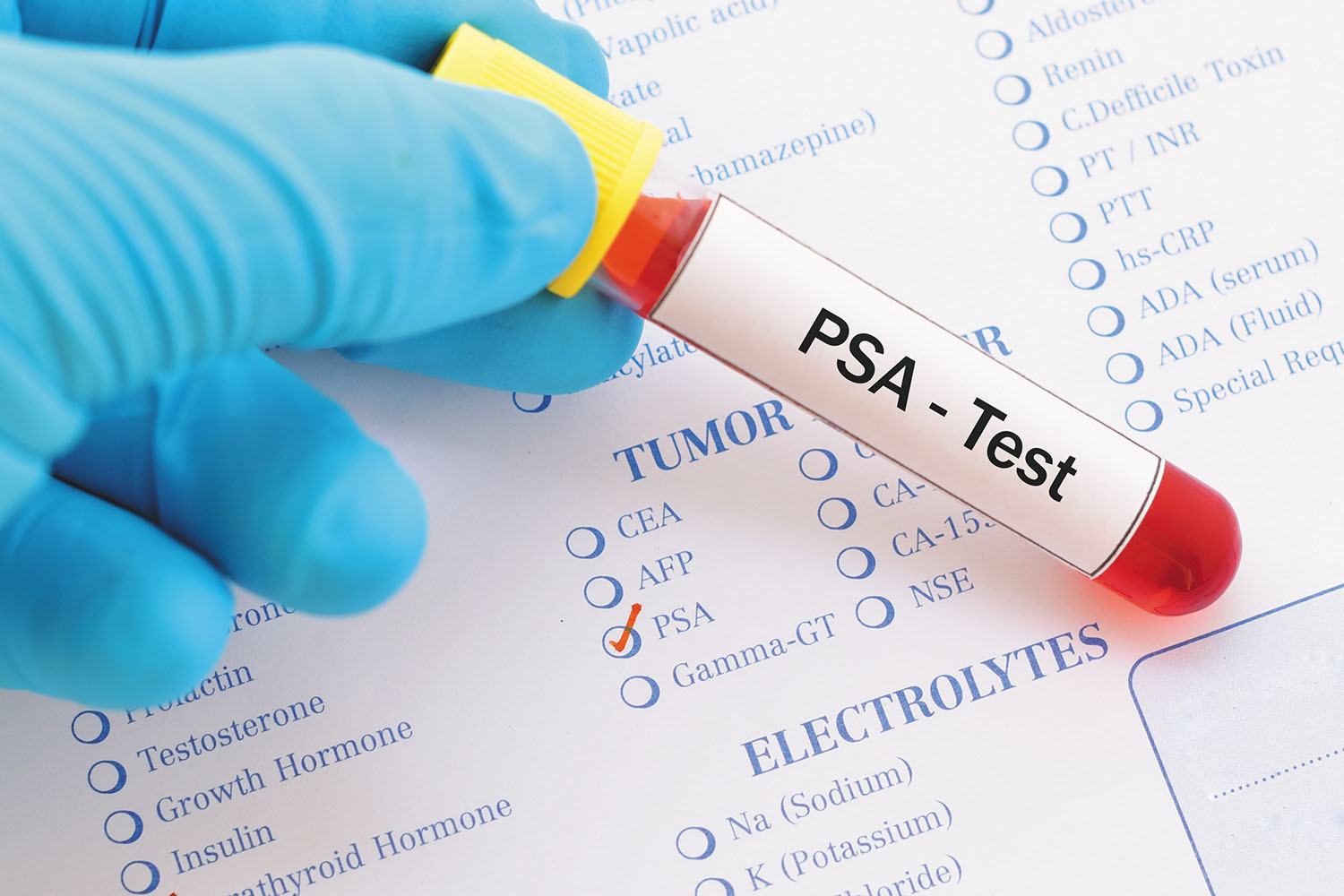
Should I continue to get regular PSA testing after age 70?
Whether or not to continue PSA testing after age 70 depends on many factors, but especially a man's family history of prostate cancer and how comfortable he is about getting a biopsy or treatment if the test results suggest possible cancer.

Treatment for an enlarged prostate
Benign prostatic hyperplasia, also known as an enlarged prostate, occurs in about 50% of men by age 60. It can lead to urination problems like a hesitant, interrupted, or weak urine stream; dribbling after urinating; a feeling that the bladder does not completely empty; and more frequent urination, especially at night. Medication and lifestyle changes are the first-line treatments, but if these don't work, men can choose from several types of surgery or less-invasive procedures to help manage symptoms.

"Forever" chemicals linked to high blood pressure in women
High blood levels of synthetic chemicals known as PFAS (some of which are found in much of the nation's drinking water) have been linked to a greater risk of high blood pressure in middle-aged women.

Putting potassium in perspective
Too much or too little potassium can harm the heart. Diet, medications, and kidney function can affect the body's potassium level. Dietary potassium helps keep blood pressure in a normal range, but most Americans don't consume enough of this mineral. However, people taking medications that raise potassium levels—which includes certain drugs to treat high blood pressure and heart failure—should avoid salt substitutes made with potassium chloride.

Medications to lower triglycerides
People with high triglyceride levels may be candidates for icosapent ethyl (Vascepa), a drug made from highly purified fish oil. It lowers triglycerides and, when taken with a statin, lowers the risk of heart attack, stroke, and death from cardiac causes.
Hip bursitis vs. arthritis: How to tell the difference
Fitness for longevity: Which type matters most?
Ministrokes linked to elevated risk of dementia
Continuous glucose monitors benefit people who don't need insulin
CoQ10: Should you take this popular supplement if you're on a statin?
Microplastics: A hidden health threat?
Oat vs. dairy milk: Nutrition, benefits, and downsides
What is tempeh? Benefits, nutrition, and how to use it
Healing after food poisoning
Whole grains may improve several heart risk factors at once
Free Healthbeat Signup
Get the latest in health news delivered to your inbox!
Sign Up
