

Hip bursitis vs. arthritis: How to tell the difference

Fitness for longevity: Which type matters most?

Ministrokes linked to elevated risk of dementia

Continuous glucose monitors benefit people who don't need insulin

CoQ10: Should you take this popular supplement if you're on a statin?

Microplastics: A hidden health threat?

Oat vs. dairy milk: Nutrition, benefits, and downsides

What is tempeh? Benefits, nutrition, and how to use it

Healing after food poisoning

Whole grains may improve several heart risk factors at once
Urinary incontinence Archive
Articles

Paths to parenthood: Receiving an embryo donation

When urinary tract infections keep coming back
Low-dose antibiotics can help women who are prone to UTIs. They can be used after sex, only when symptoms occur, or continuously.
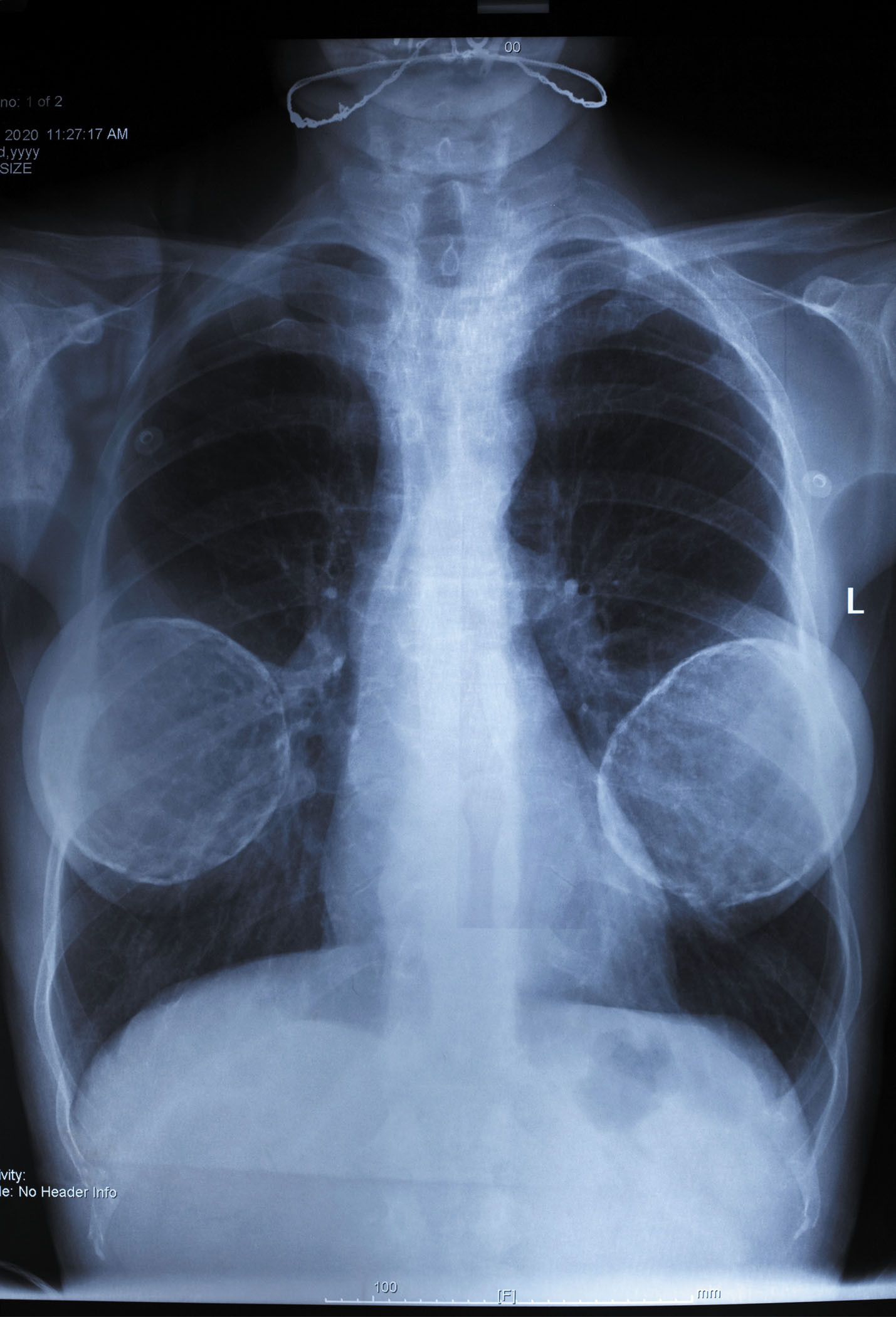
FDA wants women to understand the risks and benefits related to breast implants
The FDA recently moved to help make certain that women considering breast implants have a clear picture of what implants involve before moving ahead with surgery. The agency announced a series of changes in October 2021. These include new labeling requirements for breast implant manufacturers, a requirement that facilities provide patients with a checklist outlining potential risks and benefits related to breast implants, and updated screening recommendations to detect leaks in silicone breast implants.

Regular solo dining may be linked to a higher risk of heart disease
A study found that women who regularly dine alone may be at elevated risk for heart disease, possibly because they were found to have less nutritional knowledge and ate less nutritious meals.

How physical activity keeps your heart in good shape
Moderate-to-vigorous exercise appears to be the best way to boost cardiorespiratory fitness (CRF), which quantifies how well the heart and lungs supply oxygen to the muscles during physical activity. Higher CRF during midlife is linked to a lower risk of conditions closely tied to heart disease (including early signs of atherosclerosis, high blood pressure, and diabetes) later in life.

A look at health screenings
Men are less likely than women to get regular exams and tests, especially when they are younger. But as they age, routine screenings are essential. There are certain tests most men should have at some point, including ones for colon cancer, high blood pressure, hepatitis C, diabetes, and HIV. Other tests men should consider if they are at high risk for specific ailments, such as abdominal aortic aneurysm, hepatitis B, and lung cancer.

Treatment with abiraterone significantly improves survival in advanced prostate cancer

Ejaculation frequency and prostate cancer

New study investigates treatment-associated regrets in prostate cancer

Laser therapy for vaginal symptoms comes up short
A 2021 study found that vaginal laser treatments may not be effective at improving vaginal symptoms in postmenopausal women.
Hip bursitis vs. arthritis: How to tell the difference
Fitness for longevity: Which type matters most?
Ministrokes linked to elevated risk of dementia
Continuous glucose monitors benefit people who don't need insulin
CoQ10: Should you take this popular supplement if you're on a statin?
Microplastics: A hidden health threat?
Oat vs. dairy milk: Nutrition, benefits, and downsides
What is tempeh? Benefits, nutrition, and how to use it
Healing after food poisoning
Whole grains may improve several heart risk factors at once
Free Healthbeat Signup
Get the latest in health news delivered to your inbox!
Sign Up
