

Hip bursitis vs. arthritis: How to tell the difference

Fitness for longevity: Which type matters most?

Ministrokes linked to elevated risk of dementia

Continuous glucose monitors benefit people who don't need insulin

CoQ10: Should you take this popular supplement if you're on a statin?

Microplastics: A hidden health threat?

Oat vs. dairy milk: Nutrition, benefits, and downsides

What is tempeh? Benefits, nutrition, and how to use it

Healing after food poisoning

Whole grains may improve several heart risk factors at once
Urinary incontinence Archive
Articles

Risks of active surveillance for men with intermediate-risk prostate cancers
Men diagnosed with slow-growing prostate tumors that likely won’t be harmful during their lifetimes can often avoid immediate treatment. Instead, they can have their tumor monitored using a strategy called active surveillance. With this approach, doctors perform periodic checks for tumor progression and start treatment only if the cancer begins to metastasize, or spread. Active […]

Starting an osteoporosis drug? Here’s what you need to know
In its early stages, osteoporosis has no symptoms but causes millions of bone fractures every year, often resulting in loss of function and, disability and even death from the complications of the fracture. There are effective medications to prevent osteoporosis, but they can have serious (though rare) side effects. It’s best to talk discuss with your doctor to understand all your options and make an informed decision on how to best protect your bones.

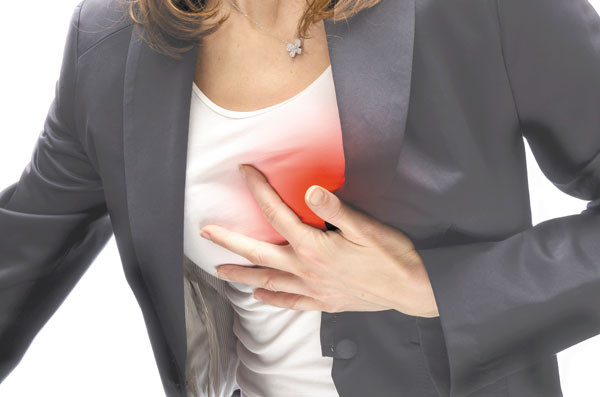
The heart attack gender gap
Heart attacks strike men at younger ages than women. But survival rates are worse in women. Why?
Compared with men, women are less likely to recognize and act upon the symptoms of a heart attack.
Image: zaganDesign/Thinkstock
Imagine someone in the throes of a heart attack. If you picture a man clutching his chest in agony, that's understandable. At younger ages, men face a greater risk of heart disease than women. On average, a first heart attack—the most common manifestation of this prevalent disease—strikes men at age 65. For women, the average age of a first heart attack is 72.

Over 35 and expecting: Is it safer to give birth “early”?
For women having children over age 35, the decision to induce labor is usually based on an increased risk of stillbirth. The duration of labor also factors into the decision, as does the possibility that induction could increase the chance of a cesarean birth, though current medical evidence does not necessarily support this assertion.

Thyroid disease and breast cancer: Is there a link?
Researchers have wondered for a long time whether there might be a link between excess thyroid hormone and an increased risk of breast cancer. High levels of thyroid hormone have been shown to mimic estrogen, which fuels many breast cancers. A new study has suggested that there may indeed be a link — but it’s important to put the results into context.


An obstetrician (who is also a feminist) weighs in on the CDC’s “no birth control, no drinking” recommendation
The CDC recently advised all sexually active women of childbearing age, and who aren’t on birth control, to avoid alcohol completely because of potential harmful effects to an unborn child. The science behind the recommendation is sound, but the way it was delivered has raised quite a few eyebrows. In this piece, Dr. Ricciotti examines where the message fell short and describes how she emphasizes shared decision-making and autonomy when she counsels her patients.

Retired men at work
Retirement is your reward for a long work life, but research suggests that continuing to work in some way may offer a big payday for your health.
Image: Thinkstock
If you are retired, or counting the days, you may want to rethink leaving the workforce behind forever. Recent research has found that seniors who continue to work after age 65 are healthier than retirees.
"For many men, work defines who they are, and they still need to benefit from something meaningful and productive as they age, whether it's in their current job or field or something new," says Dr. William S. Pollack, assistant clinical professor in the Department of Psychiatry at Harvard Medical School. "Work can boost confidence, self-esteem, and happiness, all of which can help men stay active and live longer."
Hip bursitis vs. arthritis: How to tell the difference
Fitness for longevity: Which type matters most?
Ministrokes linked to elevated risk of dementia
Continuous glucose monitors benefit people who don't need insulin
CoQ10: Should you take this popular supplement if you're on a statin?
Microplastics: A hidden health threat?
Oat vs. dairy milk: Nutrition, benefits, and downsides
What is tempeh? Benefits, nutrition, and how to use it
Healing after food poisoning
Whole grains may improve several heart risk factors at once
Free Healthbeat Signup
Get the latest in health news delivered to your inbox!
Sign Up
