

Hip bursitis vs. arthritis: How to tell the difference

Fitness for longevity: Which type matters most?

Ministrokes linked to elevated risk of dementia

Continuous glucose monitors benefit people who don't need insulin

CoQ10: Should you take this popular supplement if you're on a statin?

Microplastics: A hidden health threat?

Oat vs. dairy milk: Nutrition, benefits, and downsides

What is tempeh? Benefits, nutrition, and how to use it

Healing after food poisoning

Whole grains may improve several heart risk factors at once
Vaccines and immunizations Archive
Articles

Can the flu shot hurt my immune response?
Ask the doctors
Image: © scyther5/Thinkstock
Q. I've read that getting the flu shot annually will weaken my immune system over time. Is this true?
A. A study published in the March 1, 2017, issue of The Journal of Infectious Diseases investigated whether getting an annual vaccination against influenza (flu) can weaken your body's natural ability to protect itself from the disease. Past studies have raised similar concerns. Researchers at the University of Bergen in Norway followed 250 health care workers. Some of them got a flu vaccination every year from 2009 through 2013. The others only received the vaccine once in 2009 and not in the years from 2010 to 2013. The researchers then took blood samples before the influenza season (and before people were vaccinated that season), from the members of both groups and looked at different markers to gauge how well their immune systems would respond to the influenza virus. They found that getting an annual flu vaccination did not weaken the immune system. As a group, the people who got the flu shot annually appeared to have a better immune response to influenza than those vaccinated only once.

New school guidelines around COVID-19: What parents need to know
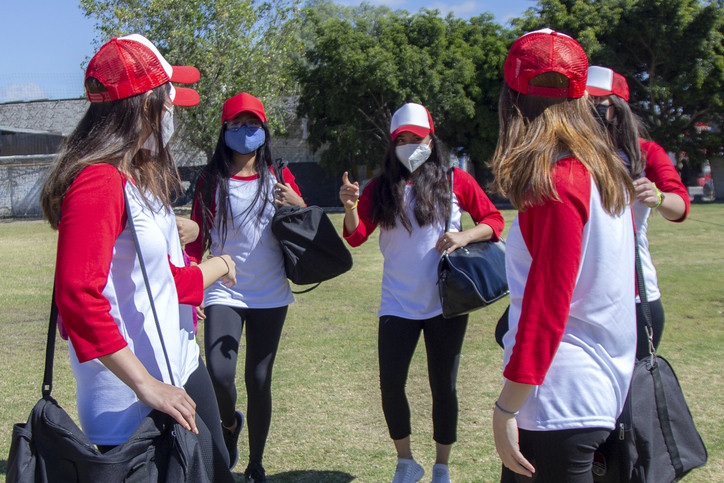
Returning to sports and physical activity after COVID-19: What parents need to know
Most children and teens who have COVID-19 recover completely, but rarely there can be damage to a child’s heart muscle, and the stress of exercise on a damaged heart could lead to a serious condition. Here’s what parents need to know about recent guidance from the American Academy of Pediatrics for children returning to physical activity after COVID-19.

Heavy metals in baby food? What parents should know and do
Worrisome levels of arsenic, lead, and other elements called heavy metals that can harm the developing brain are found in some commercial baby foods, according to a recent report. Here’s what parents should know and can do to protect young children.

Why won't some health care workers get vaccinated?

Need to revisit screen time?
Restrictions caused by the pandemic have led both adults and children to spend a lot of time on screens. It’s not great for adults, and it’s more of a concern for kids because too much screen time has effects on behavior, learning, and mood. So, what steps can parents take to change this?

New dietary guidelines: Any changes for infants, children, and teens?

Good news: Deaths due to HIV are way down

Executive function in children: Why it matters and how to help
Although executive function skills begin to develop in the first year of life, the time at which children reach these milestones varies. Some children experience challenges or delays related to their executive function skills, but these skills can be improved through evidence-based interventions.

Gender fluidity: What it means and why support matters
Gender fluidity refers to changes over time in gender identity and gender expression. For many people, gender identity and expression develop early and stay the same; for others, one or both may change. Understanding and supporting young people exploring gender is important to their emotional and physical well-being.
Hip bursitis vs. arthritis: How to tell the difference
Fitness for longevity: Which type matters most?
Ministrokes linked to elevated risk of dementia
Continuous glucose monitors benefit people who don't need insulin
CoQ10: Should you take this popular supplement if you're on a statin?
Microplastics: A hidden health threat?
Oat vs. dairy milk: Nutrition, benefits, and downsides
What is tempeh? Benefits, nutrition, and how to use it
Healing after food poisoning
Whole grains may improve several heart risk factors at once
Free Healthbeat Signup
Get the latest in health news delivered to your inbox!
Sign Up
