

Hip bursitis vs. arthritis: How to tell the difference

Fitness for longevity: Which type matters most?

Ministrokes linked to elevated risk of dementia

Continuous glucose monitors benefit people who don't need insulin

CoQ10: Should you take this popular supplement if you're on a statin?

Microplastics: A hidden health threat?

Oat vs. dairy milk: Nutrition, benefits, and downsides

What is tempeh? Benefits, nutrition, and how to use it

Healing after food poisoning

Whole grains may improve several heart risk factors at once
Vaccines and immunizations Archive
Articles

The latest deadly superbug, and why it's not time to panic
Infections from a drug-resistant fungus have been occurring around the world for the past decade. It's not cause for panic, but it's wise to understand the facts and ways to protect yourself.

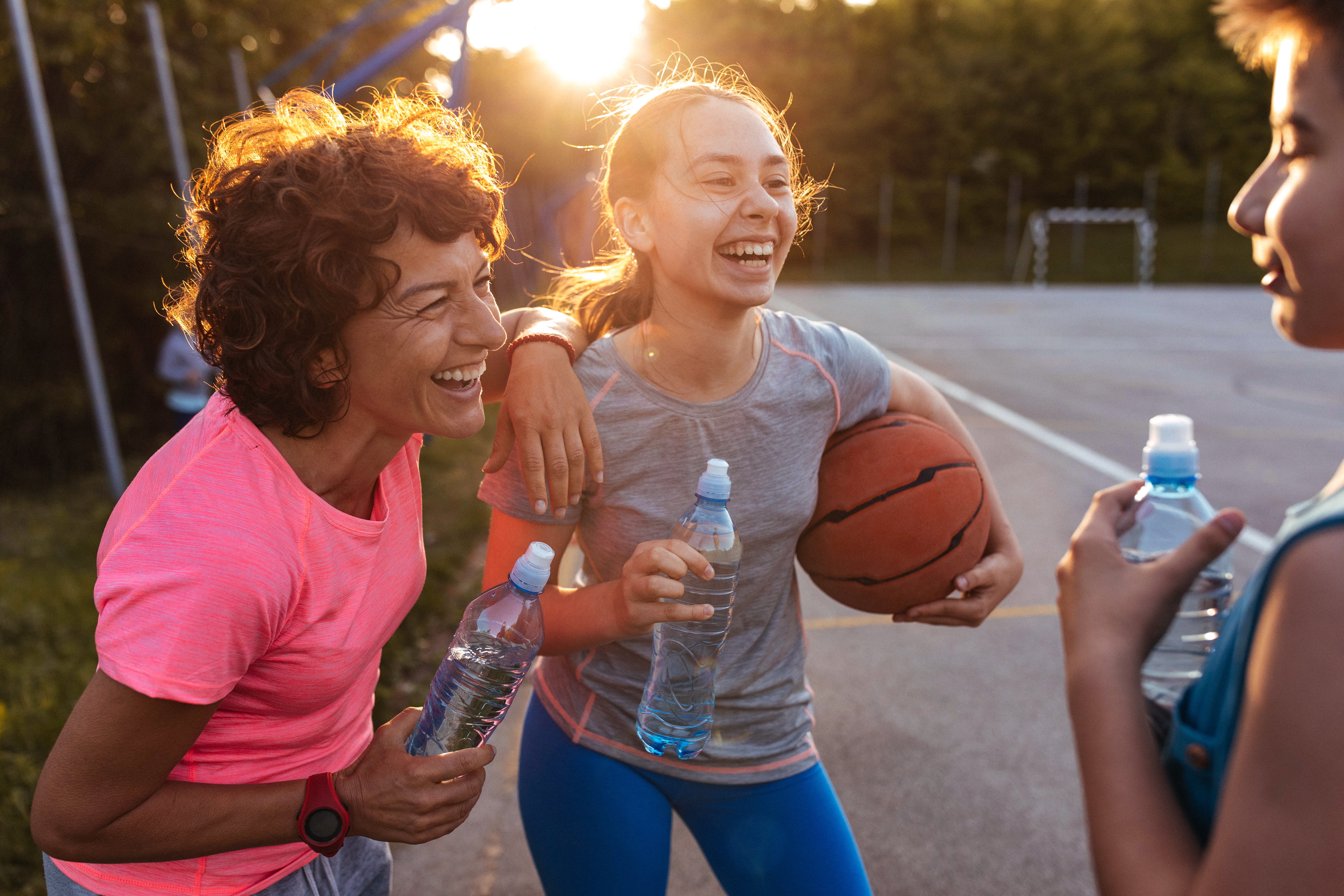
Public policies to stop kids from drinking sugary drinks
Concern about the amount of sugar in kids’ diets has led the American Academy of Pediatrics and the American Heart Association to encourage the consideration of steps to reduce the consumption of sugary drinks among children and teens.

5 ways we can help our children succeed
The recent college admission scandal has raised the issue of parents helping their children succeed. Regardless of where (or whether) someone goes to college, parents and other caregivers can help children learn the traits and skills that will help them learn how to find their way in the world.
Baby boomers and hepatitis C: What’s the connection?
Because those in the baby boom generation account for around 75% of hepatitis C cases, the CDC and USPSTF are recommending that all baby boomers should get screened for the hepatitis C virus.

How to prevent poisonings in children — and what to do if they happen
Safety precautions can prevent a child from accidentally ingesting or being exposed to poisonous or harmful items in your home, but knowing what to do if something happens can save a life.

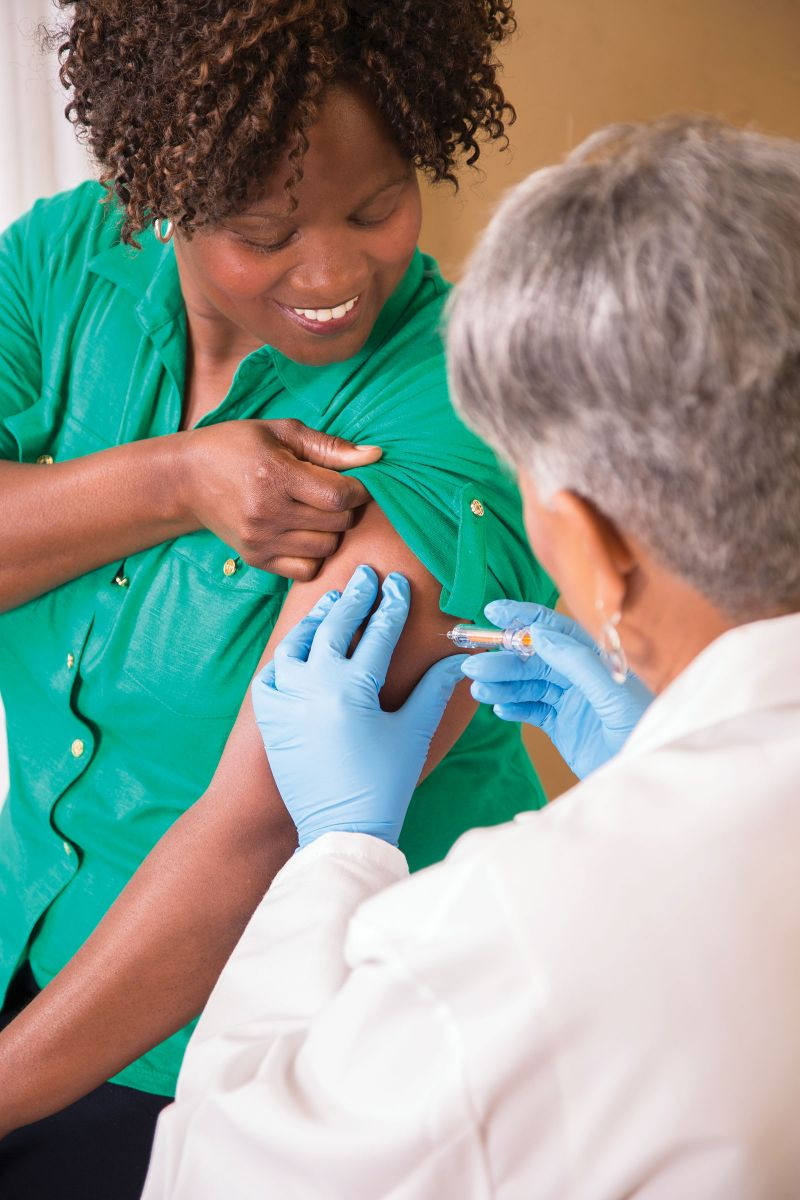
Tuberculosis vaccine shows promise in controlling blood sugar
Research we're watching
A long-used vaccine is showing promise in helping to restore near-normal blood sugar levels in people with advanced type 1 diabetes. Researchers from Harvard Medical School injected adults who had type 1 diabetes with two doses of the bacillus Calmette-Guérin (BCG) vaccine, which is traditionally used to prevent tuberculosis.
Participants in the study, all of whom had type 1 diabetes for many years, all showed significant improvements in their average blood sugar levels after the vaccination. The improvements lasted for the next five years. Researchers said that it appears the vaccine affected a metabolic mechanism that increases consumption of glucose by cells.


Holiday toys for kids: “Back to basics” is best
As you are shopping for the children on your gift list this year, it may be tempting to choose the latest shiny gadget, but consider choosing toys for them that encourage learning and development, creativity, imagination, language skills, and physical activity.
Hip bursitis vs. arthritis: How to tell the difference
Fitness for longevity: Which type matters most?
Ministrokes linked to elevated risk of dementia
Continuous glucose monitors benefit people who don't need insulin
CoQ10: Should you take this popular supplement if you're on a statin?
Microplastics: A hidden health threat?
Oat vs. dairy milk: Nutrition, benefits, and downsides
What is tempeh? Benefits, nutrition, and how to use it
Healing after food poisoning
Whole grains may improve several heart risk factors at once
Free Healthbeat Signup
Get the latest in health news delivered to your inbox!
Sign Up
