

Hip bursitis vs. arthritis: How to tell the difference

Fitness for longevity: Which type matters most?

Ministrokes linked to elevated risk of dementia

Continuous glucose monitors benefit people who don't need insulin

CoQ10: Should you take this popular supplement if you're on a statin?

Microplastics: A hidden health threat?

Oat vs. dairy milk: Nutrition, benefits, and downsides

What is tempeh? Benefits, nutrition, and how to use it

Healing after food poisoning

Whole grains may improve several heart risk factors at once
Vaccines and immunizations Archive
Articles

Got an egg allergy? No need to skip that flu shot next year
Research we're watching
Image: © grinvalds/Getty Images
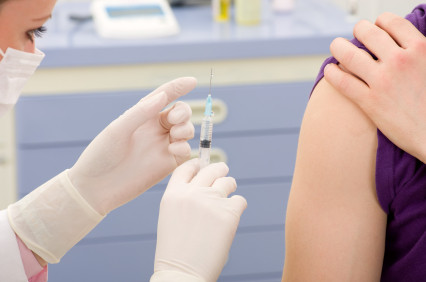
If you have an egg allergy, you may have been told not to get a flu shot. That's because the vaccine is grown in eggs and may contain a small amount of egg protein, which — it was feared — could trigger an allergic reaction. But a new guideline from the American College of Allergy, Asthma and Immunology (ACAAI) dispenses with that old advice and says even people with an egg allergy should roll up their sleeves and get the shot to protect themselves from the flu.
"When people get flu shots, health care providers often ask if they are allergic to eggs," allergist Dr. Matthew Greenhawt, chair of the ACAAI Food Allergy Committee and lead author of the practice parameter, said in a written release. "We want health care providers and people with egg allergy to know there is no need to ask this question anymore, and no need to take any special precautions. The overwhelming evidence since 2011 has shown that a flu shot poses no greater risk to those with egg allergy than those without." Numerous studies have found that patients with egg allergy — even those with life-threatening allergies to egg — have gotten the shot and did not suffer any ill effects. This suggests there isn't enough egg protein in the vaccine to cause a reaction.

4 tips for raising well-behaved children
One of the biggest challenges a parent faces is raising a child who is consistently well behaved. Children have varying temperaments, but these suggestions can help guide parents in their efforts.


Guns are killing our children. It’s time we did something
The Parkland shooting is a painful reminder that too many lives, including those of children, are taken by gun violence and firearm injuries. We all – parents, policymakers, gun owners — can take action to help prevent these tragedies. The American Academy of Pediatrics offers some specific suggestions.

4 things all parents should do to help prevent sexual abuse
Parents can help protect their children from sexual abuse by teaching children about their bodies and what is and is not appropriate behavior by adults.

This year’s flu season: Public health catastrophe or par for the course?
This winter flu activity has been higher than usual across the United States. If you have not gotten a flu shot yet, it’s not too late; some protection is better than none, plus there are other steps you can take to protect yourself and those around you.
Should I worry about grandkids’ sports?
Ask the doctor
Image: © s-c-s/Thinkstock
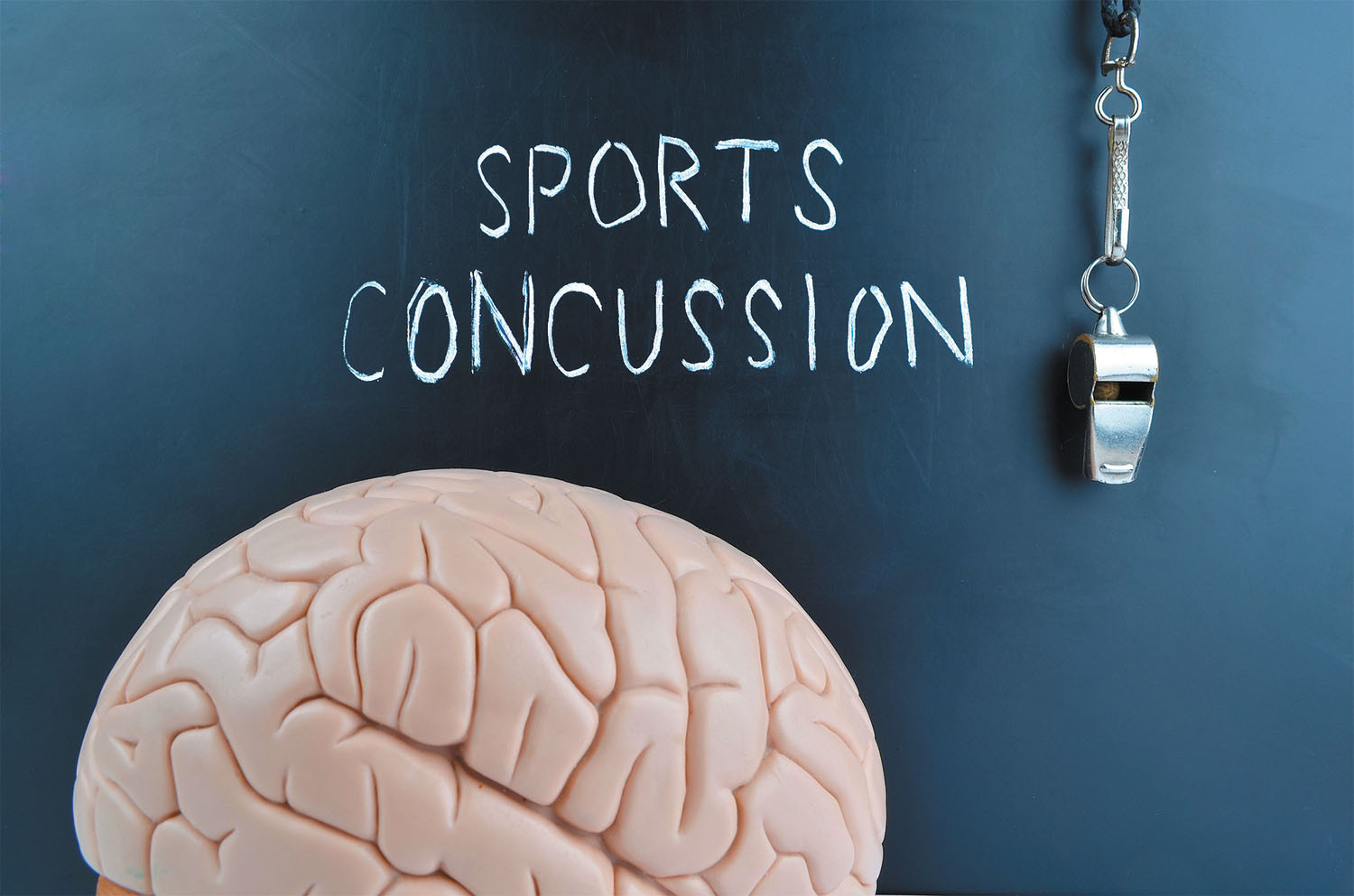
Q. I keep hearing that concussions can cause problems later in life. Should I be concerned about my grandkids playing sports, particularly football?
A. Sports teach kids many important life lessons, like the value of teamwork and hard work, and the importance of tenacity and resilience. The most popular sport in the United States is football. Yet evidence has emerged that repeated head injuries (common in football) may lead to a brain disease called chronic traumatic encephalopathy (CTE). This disease, which currently can be diagnosed only at an autopsy, causes difficulty thinking, severe mood swings, anger, violence — and death.


Why teenagers eat Tide pods
It’s difficult to understand why teenagers would willingly engage in risky behavior like the Tide Pod Challenge. It’s due to the combination of young brains that are still growing and forming, the need to learn to take risks, and the attention and pressure from social media.
Hip bursitis vs. arthritis: How to tell the difference
Fitness for longevity: Which type matters most?
Ministrokes linked to elevated risk of dementia
Continuous glucose monitors benefit people who don't need insulin
CoQ10: Should you take this popular supplement if you're on a statin?
Microplastics: A hidden health threat?
Oat vs. dairy milk: Nutrition, benefits, and downsides
What is tempeh? Benefits, nutrition, and how to use it
Healing after food poisoning
Whole grains may improve several heart risk factors at once
Free Healthbeat Signup
Get the latest in health news delivered to your inbox!
Sign Up
