

Hip bursitis vs. arthritis: How to tell the difference

Fitness for longevity: Which type matters most?

Ministrokes linked to elevated risk of dementia

Continuous glucose monitors benefit people who don't need insulin

CoQ10: Should you take this popular supplement if you're on a statin?

Microplastics: A hidden health threat?

Oat vs. dairy milk: Nutrition, benefits, and downsides

What is tempeh? Benefits, nutrition, and how to use it

Healing after food poisoning

Whole grains may improve several heart risk factors at once
Vaccines and immunizations Archive
Articles

Good — and bad — news about today’s teens
The results of the 2015 National Youth Risk Behavior Survey, suggests that few teens are smoking cigarettes, having sex, getting into physical fights, and drinking less soda. This good news is tempered by concerning trends, for example fewer adolescents use condoms when they do have sex, and more of them are trying e-cigarettes.

A bummer for kids: Nasal flu vaccine not effective
For years, many kids could skip the traditional flu “shot” — along with the tears — and still be protected by the nasal spray vaccine also known as the LAIV (live attenuated influenza vaccine). But not this year. Studies now show that the nasal vaccine is quite ineffective, and pediatricians are starting to change their flu recommendations from a nose squirt to a shot.

Can super-sizing start with baby bottles?
Research suggests that super-sizing our meals doesn’t just create problems for adults–– when we increase the amount of food that infants and children eat, they gain weight. This weight gain during infancy can lead to over-weight children, and over-weight children are more likely to become over-weight adults. In order to make sure infants and children are a healthy weight, keeping the portion sizes kid-friendly is key.

New study says that it’s okay to let babies cry at night
Just about every new parent has wrestled with the idea of whether to comfort a baby who cries during the night or whether to let him or her “cry it out.” A recent study adds more evidence to what researchers (and our own parents and grandparents) have long known: It’s okay to let your baby cry it out. It won’t harm them — and you’ll get a much better night’s sleep, too!

The latest dangerous “addiction” parents need to worry about: Mobile devices
If you’ve looked up from your phone recently — or even if you haven’t! — you may have noticed that many children and teens are glued to their devices. While experts aren’t quite ready to call this an “addiction,” a new survey of parents and teens confirms that many of them suspect they’re too dependent on their devices. We’ve discussed the potential implications of this, plus suggested some “ground rules” for when to ignore those devices.

Preventing playground injuries: The fine line between safe and overprotective
You may have noticed that many playgrounds are now “safer” than they used to be. It’s great to think about safety, especially since there are hundreds of thousands of playground-related injuries every year, and a significant chunk of those are brain injuries like concussions. But it’s also important not to get overprotective — some life lessons about risk and self-confidence are best learned in a fun, stimulating, well-supervised environment like a playground.

Why the American Academy of Pediatrics opposes North Carolina’s transgender “bathroom law”
A new law in North Carolina prevents transgender people — people who feel very strongly that their biological sex does not match their true gender — from using the public restroom of the gender they identify with. But the American Academy of Pediatrics has denounced this law for discriminating against transgender children and children with certain genetic disorders. As they say, what all children need the most is unconditional acceptance and support.
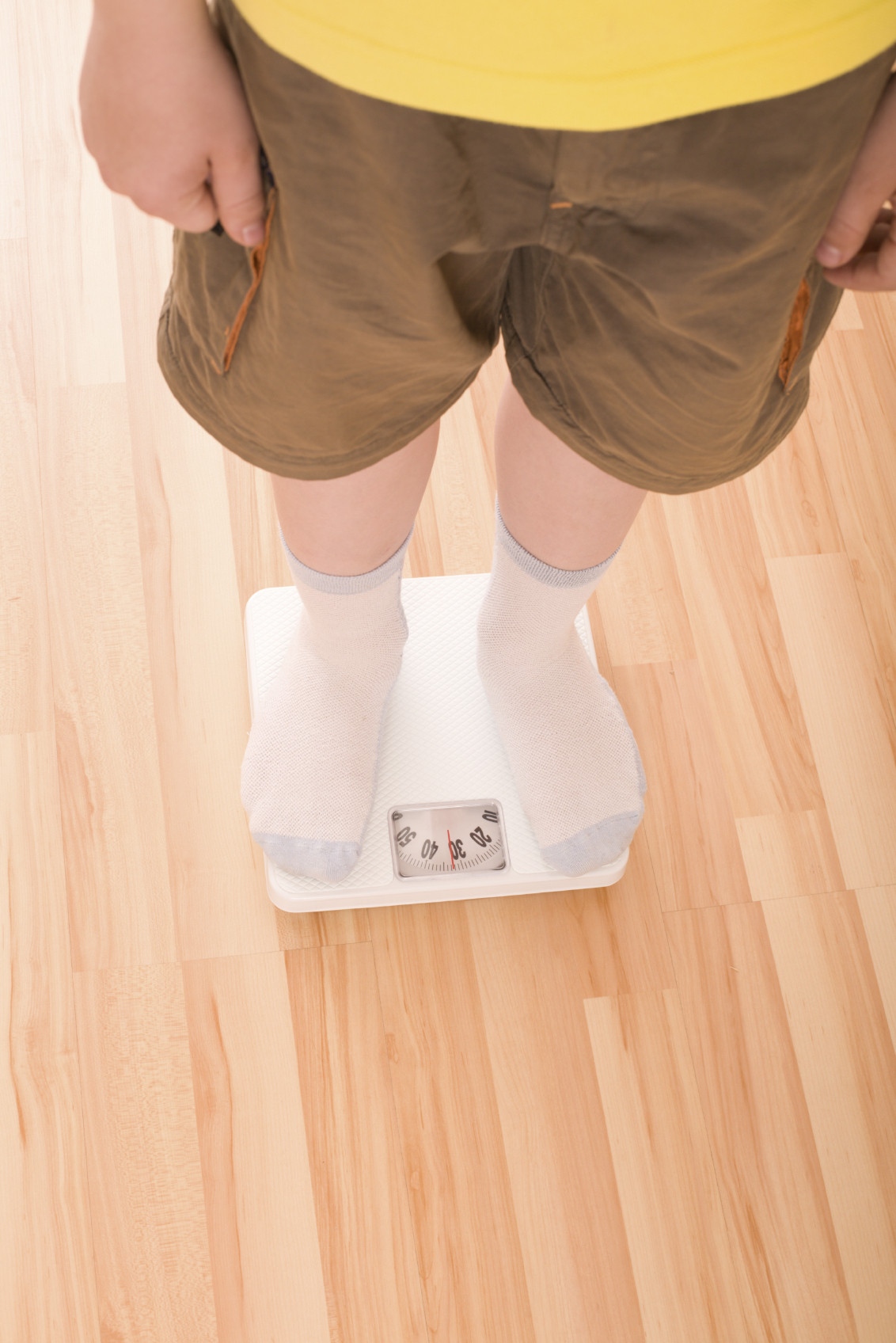
How much should teens weigh to prevent heart disease as adults?
We know that overweight teens have a higher risk of heart disease throughout their life, which is why pediatricians make sure to discuss healthy lifestyle choices with their patients. However, a recent study reveals that the weight ranges currently considered acceptable for teens might be too high, and therefore still putting them at risk. We’ve summarized the results and given you some ideas to help your teen lead an active, healthy lifestyle.

Which kids are most likely to have prolonged concussion symptoms?
Awareness of the effects of concussions in children and adolescents has risen, along with the frequency of diagnosis. Researchers and other medical professionals are attempting to develop tools such as a risk grading scale, that might be used to better manage the injury and provide the most effective treatment.
Hip bursitis vs. arthritis: How to tell the difference
Fitness for longevity: Which type matters most?
Ministrokes linked to elevated risk of dementia
Continuous glucose monitors benefit people who don't need insulin
CoQ10: Should you take this popular supplement if you're on a statin?
Microplastics: A hidden health threat?
Oat vs. dairy milk: Nutrition, benefits, and downsides
What is tempeh? Benefits, nutrition, and how to use it
Healing after food poisoning
Whole grains may improve several heart risk factors at once
Free Healthbeat Signup
Get the latest in health news delivered to your inbox!
Sign Up
