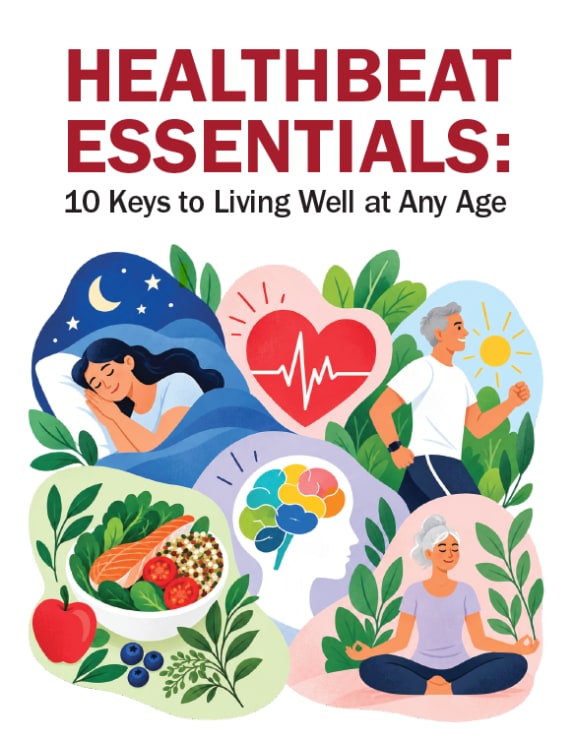
Is it aging, or something more?

Consensus grows for widening use of menopausal hormone therapy

Early medically induced menopause may increase cardiovascular risks

Do you need a DEXA scan earlier than you thought?
Best walking shoes: Which ones are right for older adults?
Acetaminophen vs. ibuprofen: Which should you take?
Hip bursitis vs. arthritis: How to tell the difference
Fitness for longevity: Which type matters most?

Ministrokes linked to elevated risk of dementia
Continuous glucose monitors benefit people who don't need insulin
Vision and hearing Archive
Articles

What can I do about poor night vision?
Poor night vision could be caused by an outdated eyeglass prescription or an eye condition, such as dry eye, cataracts, or age-related macular degeneration. People should see an eye care specialist for a complete eye exam to check for these issues.
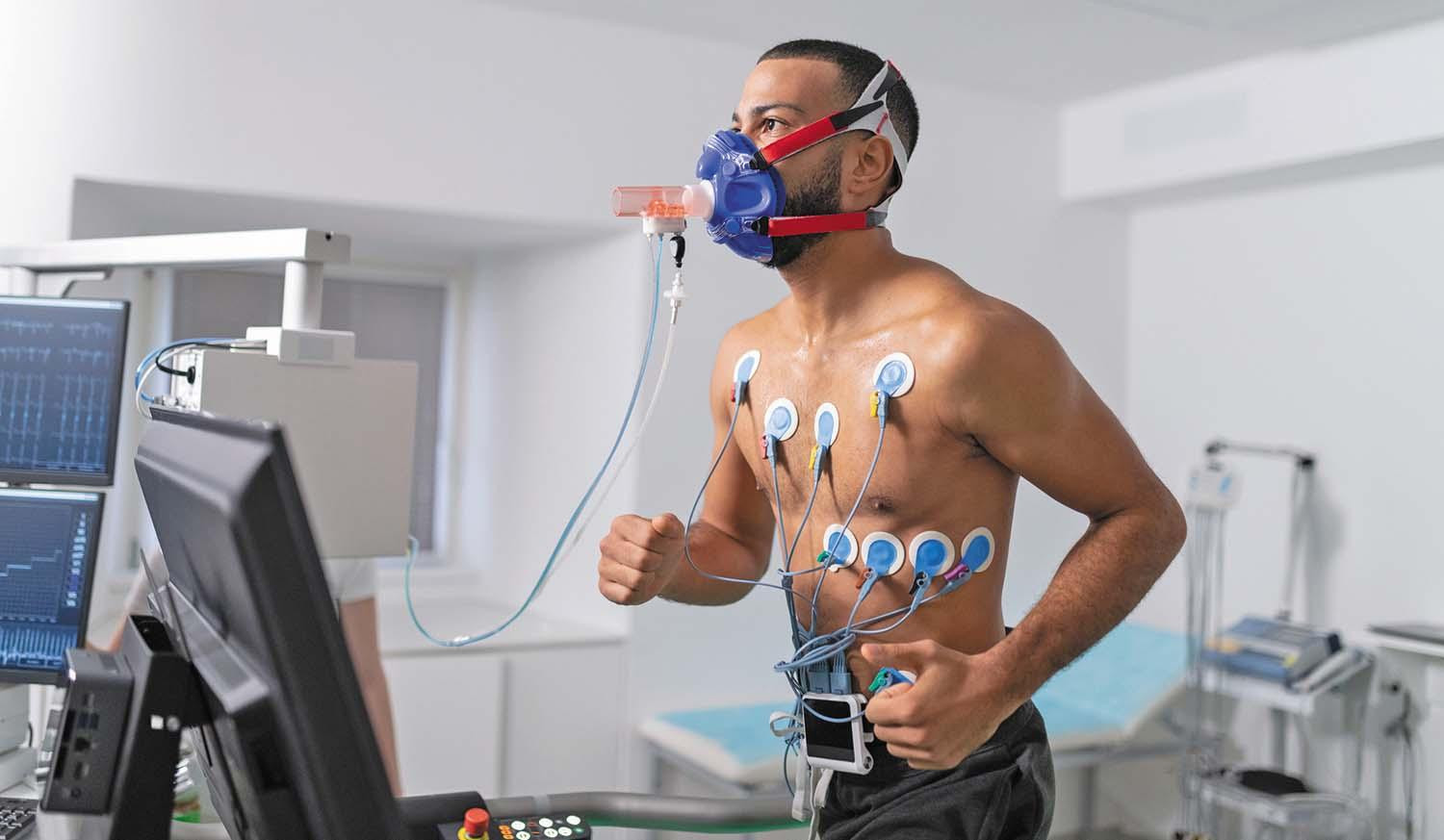
VO2 max: What it is and how you can improve it
VO2 max is a way to gauge how efficiently the body uses oxygen during exercise, offering a window into fitness and long-term health. People can usually improve it over time with consistent aerobic activity, intervals, and smart training changes.
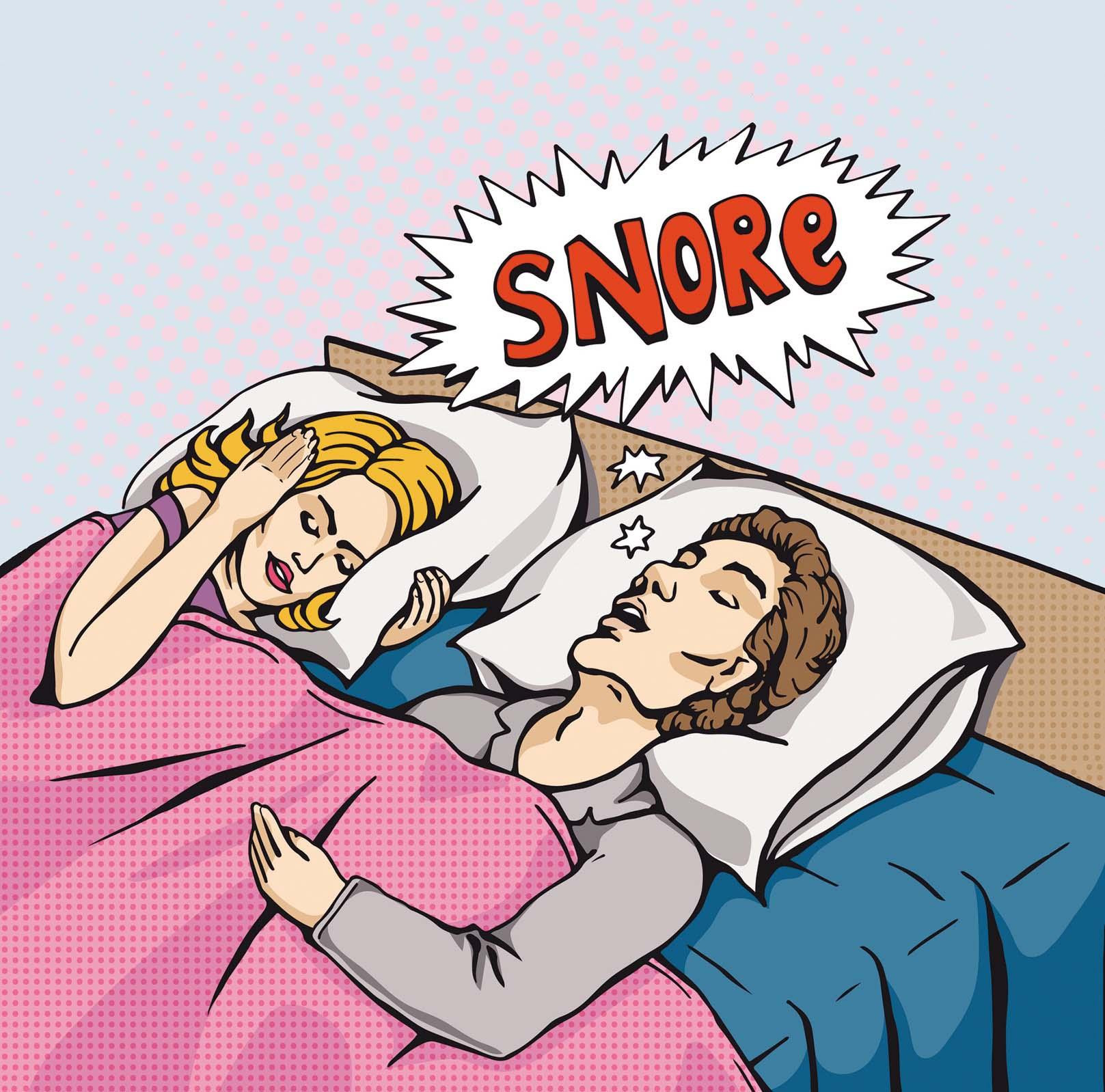
Do products that claim to stop your snoring actually work?
Snoring can strain sleep and relationships, but certain devices and habits may help. Positional aids, oral appliances, and lifestyle changes sometimes reduce noise, while persistent or severe symptoms warrant a medical check to rule out conditions like sleep apnea.
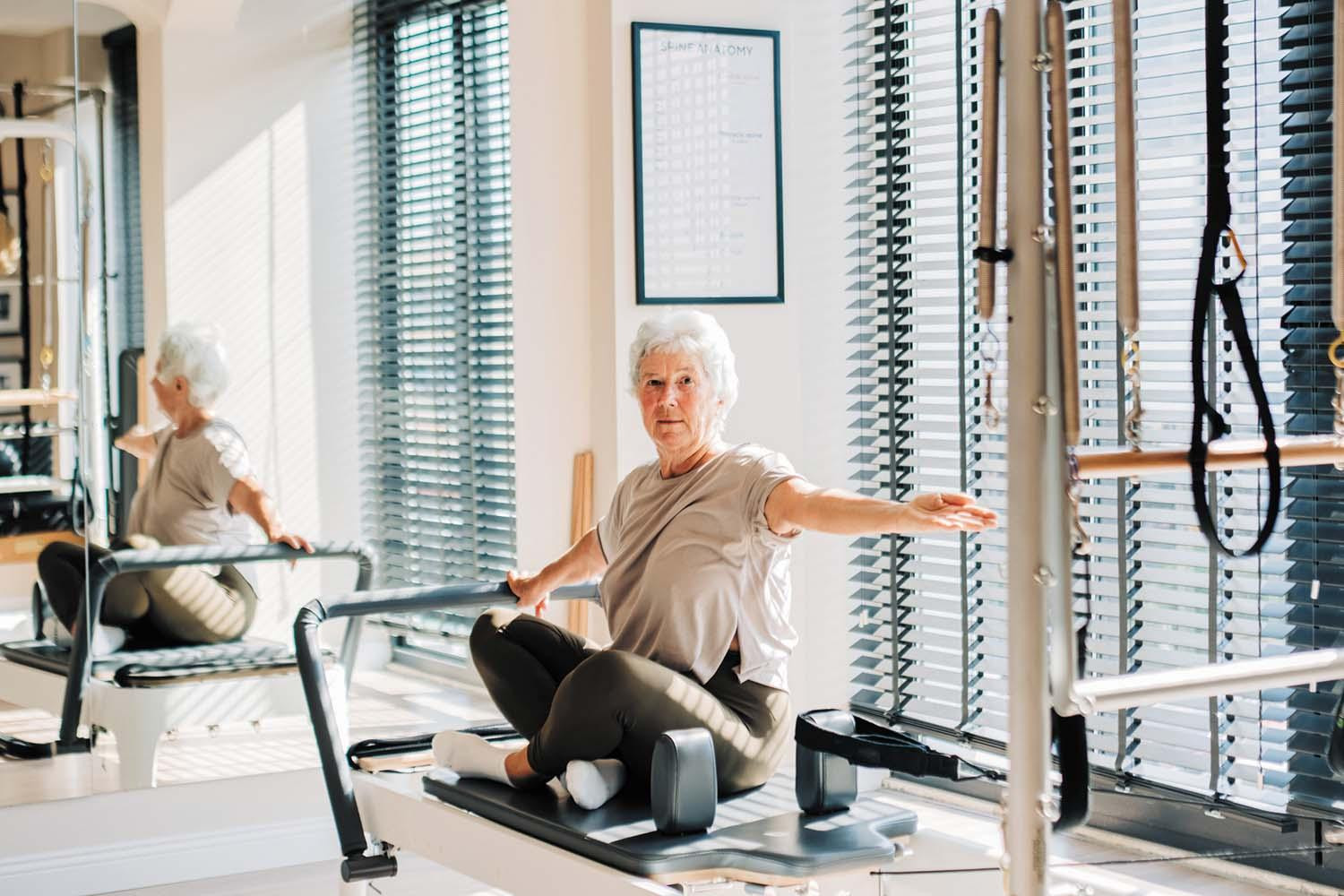
Pilates: A good workout option, even as we get older
Pilates can be a good low-impact workout option, especially as people get older. It focuses on core strength, balance, and flexibility, and can be adapted-on a mat, reformer, or even in a chair-to different abilities and comfort levels.
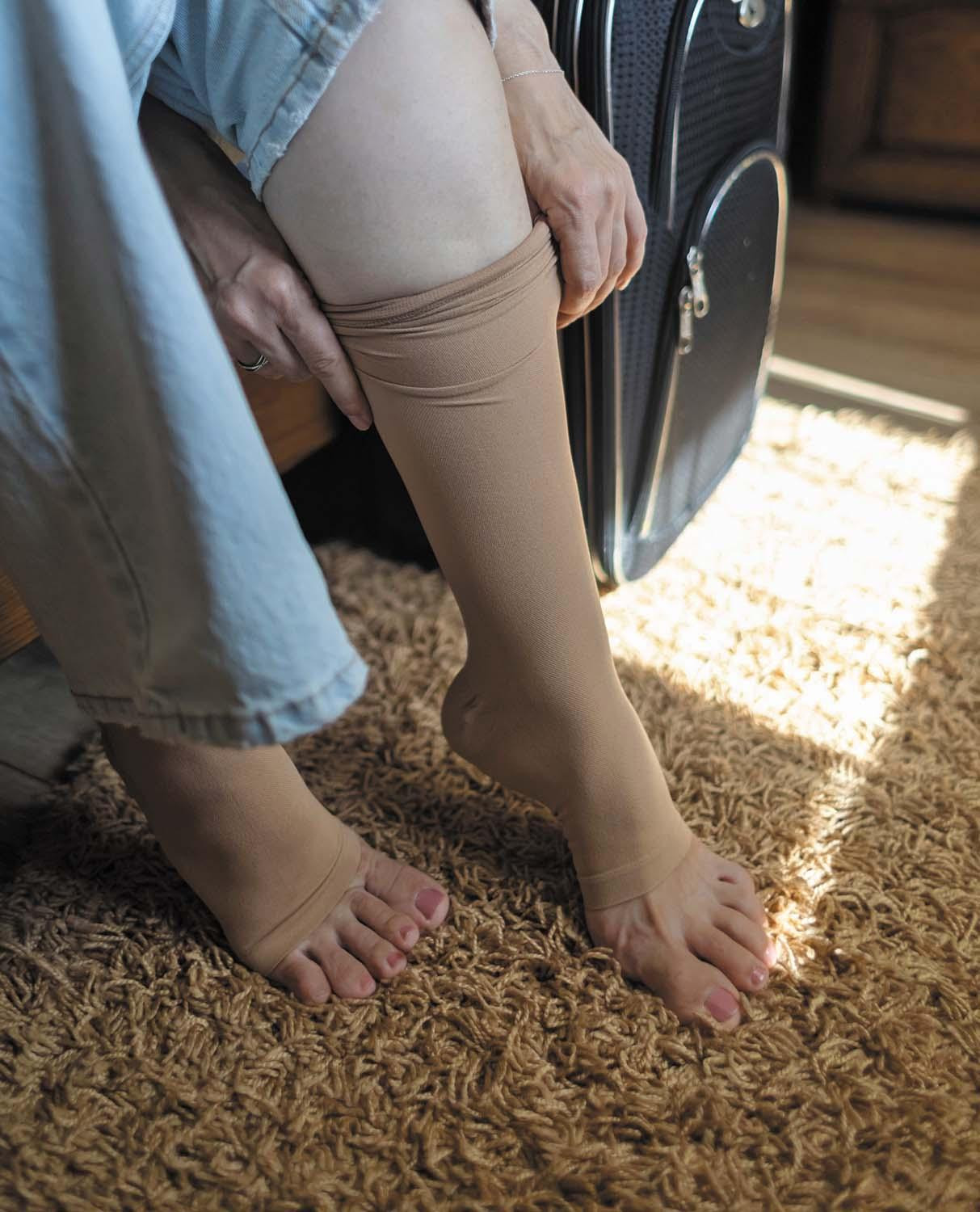
Could you benefit from wearing compression socks?
Compression socks are snug, supportive stockings that can help people who struggle with leg swelling or circulation issues. They're commonly used for certain vein problems or clot risks, and a doctor can help decide who needs them and how to use them.

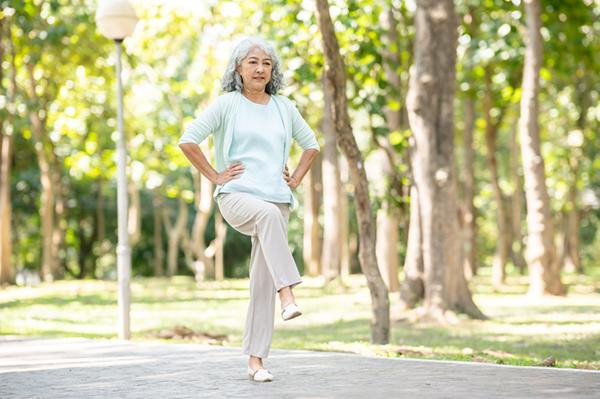
A measure of balance
People can evaluate their balance and fall risk at home by taking the four-stage balance test. More advanced tests like single-leg standing, heel-to-toe-walking, and timed up and go can also aid in assessing balance and coordination.
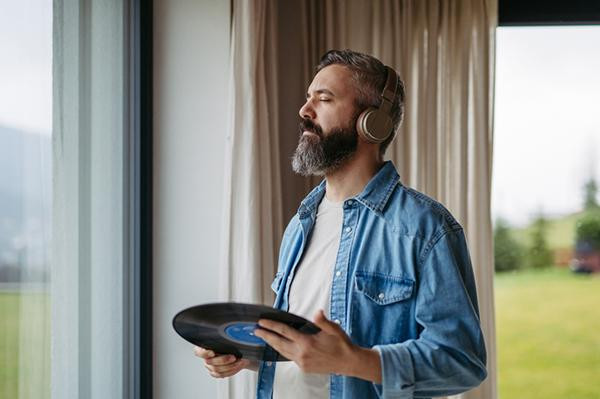
Musical engagement may help lower dementia risk
A 2025 study found that adults ages 70 and older who listened to music most days or played a musical instrument at least weekly may have a lower risk of developing dementia than those who did neither.

Safe and effective high-intensity interval training
High-intensity interval training alternates short bursts of hard effort with recovery, boosting aerobic fitness, heart health, and muscle in less time. For older adults, adjusting intensity to current fitness levels helps keep HIIT safe and effective.
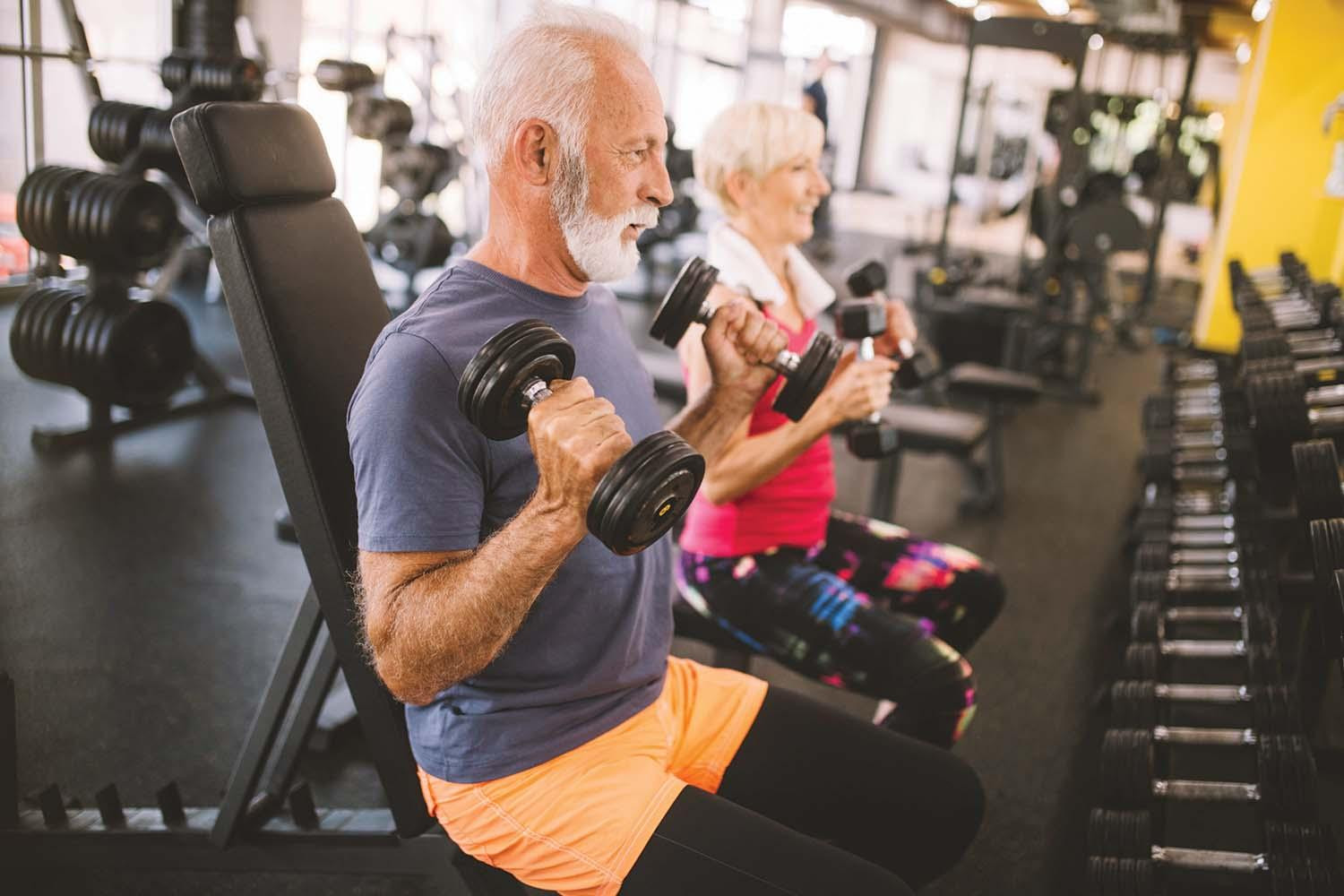
Can you increase your metabolism?
Metabolism-how your body turns food into energy-is strongly influenced by genes, but lifestyle still matters. Choosing nourishing foods, avoiding extreme diets, and building muscle through regular exercise can modestly boost calorie burning and support weight loss.
Is it aging, or something more?
Consensus grows for widening use of menopausal hormone therapy
Early medically induced menopause may increase cardiovascular risks
Do you need a DEXA scan earlier than you thought?
Best walking shoes: Which ones are right for older adults?
Acetaminophen vs. ibuprofen: Which should you take?
Hip bursitis vs. arthritis: How to tell the difference
Fitness for longevity: Which type matters most?
Ministrokes linked to elevated risk of dementia
Continuous glucose monitors benefit people who don't need insulin
Free Healthbeat Signup
Get the latest in health news delivered to your inbox!
Sign Up