

Hip bursitis vs. arthritis: How to tell the difference

Fitness for longevity: Which type matters most?

Ministrokes linked to elevated risk of dementia

Continuous glucose monitors benefit people who don't need insulin

CoQ10: Should you take this popular supplement if you're on a statin?

Microplastics: A hidden health threat?

Oat vs. dairy milk: Nutrition, benefits, and downsides

What is tempeh? Benefits, nutrition, and how to use it

Healing after food poisoning

Whole grains may improve several heart risk factors at once
Ask the Doctor
Articles
What could cause lung nodules?
A lung nodule on imaging can stem from scars, infection, or cancer. Learn how doctors judge the risk and decide between watching, testing, or removal.
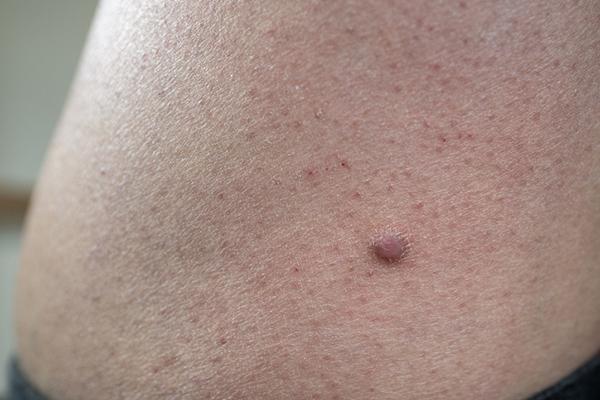
What is a dermatofibroma and how can I prevent a recurrence?
These small, firm skin bumps are usually benign and often appear on the legs. Learn why they form, how they’re removed, and sun‑safety basics to help prevent another one.
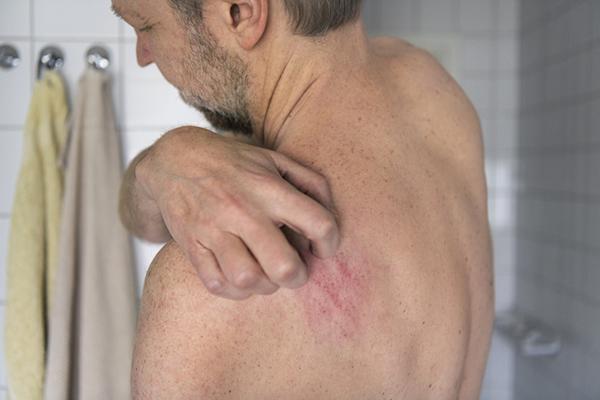
What is neurodermatitis and how is it treated?
Years of relentless itching and thickened skin may reflect an itch‑scratch cycle. Creams alone may fall short and broader treatment may be needed.

Why are heart attacks more common in the morning?
A number of physiological changes driven by the body’s internal clock help explain why heart attacks are more common in the morning. These changes include factors involved in blood pressure, blood clot formation, and inflammation.

How does blood pressure work?
Blood pressure is the push of blood through the body, like water through a hose. Pressure depends on how hard the heart pumps, how much blood there is, and how tight small vessels are, all influenced by hormones, salt, fluids, and stress.

What is non-HDL cholesterol?
For many people, non-HDL cholesterol (which is total cholesterol minus HDL cholesterol) may be as good as (or even more reliable than) LDL for assessing a person's risk of heart problems.
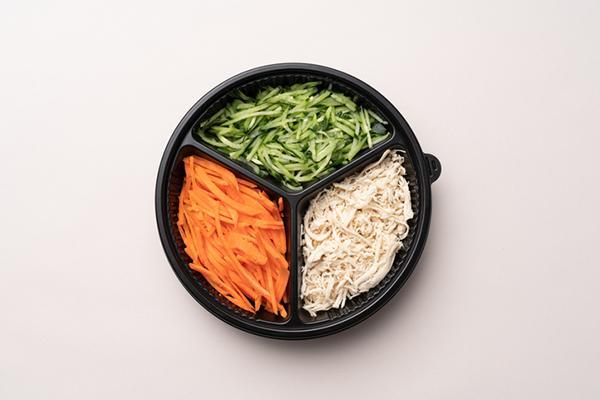
Is food sequencing worth a try?
Food sequencing calls for eating vegetables and protein before carbohydrates to help stabilize blood sugar and control appetite. Research suggests this pattern may reduce blood sugar spikes and lower hunger hormones, and it may naturally lead to eating fewer carbohydrates.

Can you have Alzheimer's without symptoms?
More than 30% of adults over 70 have amyloid or tau (proteins implicated in the development of Alzheimer’s disease) in their brains yet have no apparent cognitive problems. This may indicate greater cognitive reserve, the brain’s ability to compensate for damage.

What is statin intensity and how should it guide my treatment?
Statin dosages fall into three categories (low, moderate, or high) based on how much the medication can lower LDL. The choice of a statin depends on a person's risk.

What everyday irritants can trigger eczema flare-ups?
Eczema flare-ups often trace back to everyday products and habits. See which irritants to skip and how simple swaps may help calm itchy skin.
Hip bursitis vs. arthritis: How to tell the difference
Fitness for longevity: Which type matters most?
Ministrokes linked to elevated risk of dementia
Continuous glucose monitors benefit people who don't need insulin
CoQ10: Should you take this popular supplement if you're on a statin?
Microplastics: A hidden health threat?
Oat vs. dairy milk: Nutrition, benefits, and downsides
What is tempeh? Benefits, nutrition, and how to use it
Healing after food poisoning
Whole grains may improve several heart risk factors at once
Free Healthbeat Signup
Get the latest in health news delivered to your inbox!
Sign Up
