

Hip bursitis vs. arthritis: How to tell the difference

Fitness for longevity: Which type matters most?

Ministrokes linked to elevated risk of dementia

Continuous glucose monitors benefit people who don't need insulin

CoQ10: Should you take this popular supplement if you're on a statin?

Microplastics: A hidden health threat?

Oat vs. dairy milk: Nutrition, benefits, and downsides

What is tempeh? Benefits, nutrition, and how to use it

Healing after food poisoning

Whole grains may improve several heart risk factors at once
Ask the Doctor
Articles
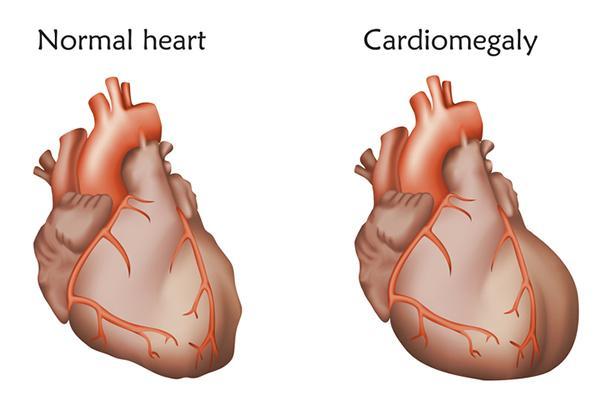
What can cause an enlarged heart?
An enlarged heart has many possible causes, including conditions that force the heart to work harder than usual (such as chronic high blood pressure or heart valve problems) and different types of cardiomyopathy (heart muscle disease).

What causes a slow heartbeat?
A low resting pulse can signal peak fitness, hidden heart trouble, or even thyroid issues; learn when a slow beat is harmless and when it's not.

Do I need to worry about a slow resting heart rate?
A slower pulse can be healthy or a warning sign, depending on symptoms, medications, and your thyroid status. Simple checks can help reveal which it is.

Why do my ankles swell in the summer?
Warm weather, vein valve issues, and fluid retention can all puff up your ankles. Learn what doctors look for and simple steps that may ease it.
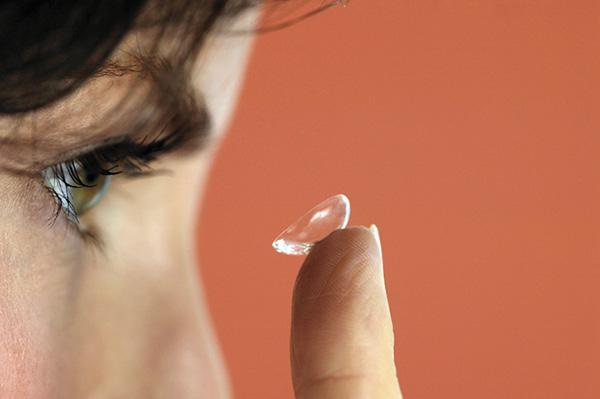
Can I wear contacts after age 50?
In middle and older age, dry eyes and poor close-up vision can make it harder to wear contact lenses. Multifocal or monovision lenses, eye drops, and certain lens materials can help keep contacts comfortable and reduce the need for reading glasses.

How can I tell if I'm developing arthritis or musculoskeletal syndrome of menopause?
Osteoarthritis and musculoskeletal syndrome of menopause can involve overlapping symptoms. But arthritis pain tends to be concentrated in specific joints, while joint pain and achiness from musculoskeletal syndrome of menopause usually occurs in multiple joints and muscles at once.

What's the difference between bifocals, trifocals, and progressive lenses?
Bifocals have two vision zones: the top helps with distance and the bottom for close viewing. Trifocals add a third zone in the middle for middle-distance tasks, such as computer work. Progressive lenses cover all distances, but with no lines in the lenses.

What could it mean if the whites of my eyes have turned yellow?
Yellowing of the whites of your eyes can signal jaundice from high bilirubin levels. Explore possible causes of high bilirubin levels, including liver, blood, and bile duct problems.

What is cardiac rehab and what does it involve?
After a heart attack, a cardiac rehab program comprised of supervised exercise, lifestyle coaching, and emotional support can reshape daily habits and lower the odds of future trouble.

What is the connection between depression and migraine headaches?
Depression and migraines often travel together, with each able to worsen the other.
Hip bursitis vs. arthritis: How to tell the difference
Fitness for longevity: Which type matters most?
Ministrokes linked to elevated risk of dementia
Continuous glucose monitors benefit people who don't need insulin
CoQ10: Should you take this popular supplement if you're on a statin?
Microplastics: A hidden health threat?
Oat vs. dairy milk: Nutrition, benefits, and downsides
What is tempeh? Benefits, nutrition, and how to use it
Healing after food poisoning
Whole grains may improve several heart risk factors at once
Free Healthbeat Signup
Get the latest in health news delivered to your inbox!
Sign Up
