









Best walking shoes: Which ones are right for older adults?
Whether you're walking for fitness or getting around town, these tips can help you choose a shoe that supports every step.
- Reviewed by Janice McGrail, PT, DPT, Contributor
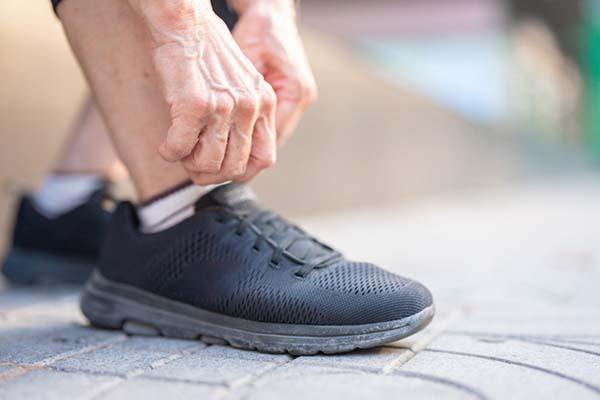
By the time we’re in our 60s, many of us have likely walked thousands of miles over our lifetime. But we may have given little thought to what characteristics make the best walking shoes — or how those features should adapt to our feet as we age.
It’s far from a trivial concern. For many older adults, walking is the exercise they can and want to keep doing for many years — and supportive walking shoes can make a real difference in being able to keep up this vital form of movement, a Harvard expert says.
“Walking is at the top of the list of the best exercises because it’s something we actually need to do every day, and you can do it anywhere,” says Janice McGrail, a physical therapist at Harvard-affiliated Spaulding Rehabilitation Hospital. “It works for any fitness level and you don’t need any special equipment except for your shoes.”
How feet change with age
Age alone doesn’t dictate the ideal choice of walking shoes for older adults. But as years pass, changes in foot shape, cushioning needs, balance, joint health, and even skin sensitivity can make it more challenging to identify the best walking shoes.
These shifts become more common with age:
- Feet may become longer and wider.
- The arch may flatten.
- The fat pad that cushions the heel and ball of the foot can diminish.
- Bunions, hammertoes, arthritis, and other problems can become more prevalent.
- Skin may thin and become more vulnerable to pressure and friction.
- Reduced sensation — particularly in people with diabetes or certain neurologic conditions — can make fit especially important.
Additionally, in many older people, their gait changes and their toes push off the ground less vigorously. But the best walking shoes can help compensate. “A well-fitting shoe will help you transfer the weight from your heels to your toes to propel you forward,” McGrail says.
Best walking shoes for older adults by need
Comfortable walking shoes for everyday movement are paramount, but comfort alone won’t suffice when you’re navigating long distances, uneven sidewalks, or other tricky surfaces. Fitness walking requires more attention to a shoe’s cushioning, weight, and breathability.
For trails or other more challenging terrain, look into shoes for balance and stability. Hiking shoes, which often include ankle support, may be preferable to regular walking shoes, McGrail says. “They should also have deeper grooves in the sole so they’ll grip the ground better. And if you’re going to be on uneven or slippery surfaces, you’ll want a shoe with better traction.”
What to look for in walking shoes for older adults
If McGrail were helping an older adult choose the best walking shoes, she would highlight these features:
Supportive, stable soles. “Running shoes are often too light, so you might not get the stability you need,” she says. Additionally, steer away from walking shoes with rocker-type soles, which are curved on the bottom and often claim to ease foot pain. “If you have balance concerns, it will make you feel more unbalanced,” she says.
Secure fit. Your heel should stay comfortably in place without slipping. “It should be snug, but not tight,” McGrail says.
Light weight. “A really heavy shoe will be harder to lift and you’ll get more tired walking in it,” she says.
Flexibility. The shoe should bend where your foot naturally bends.
Toe room. “Your toes should not touch the end of the shoe, and you should be able to wiggle them,” she says. “Mesh usually has more 'give’ than solid leather shoes.”
How to choose the right fit and sizeJanice McGrail, a physical therapist at Spaulding Rehabilitation Hospital, suggests these strategies when purchasing a new pair of walking shoes:
|
Image: © Jackyenjoyphotography/Getty Images
About the Author

Maureen Salamon, Executive Editor, Harvard Women's Health Watch
About the Reviewer

Janice McGrail, PT, DPT, Contributor
Disclaimer:
As a service to our readers, Harvard Health Publishing provides access to our library of archived content. Please note the date of last review or update on all articles.
No content on this site, regardless of date, should ever be used as a substitute for direct medical advice from your doctor or other qualified clinician.



