

Hip bursitis vs. arthritis: How to tell the difference

Fitness for longevity: Which type matters most?

Ministrokes linked to elevated risk of dementia

Continuous glucose monitors benefit people who don't need insulin

CoQ10: Should you take this popular supplement if you're on a statin?

Microplastics: A hidden health threat?

Oat vs. dairy milk: Nutrition, benefits, and downsides

What is tempeh? Benefits, nutrition, and how to use it

Healing after food poisoning

Whole grains may improve several heart risk factors at once
Alzheimer's Disease Archive
Articles

Treating opiate addiction, Part I: Detoxification and maintenance
Dozens of opiates and related drugs (sometimes called opioids) have been extracted from the seeds of the opium poppy or synthesized in laboratories. The poppy seed contains morphine and codeine, among other drugs. Synthetic derivatives include hydrocodone (Vicodin), oxycodone (Percodan, OxyContin), hydromorphone (Dilaudid), and heroin (diacetylmorphine). Some synthetic opiates or opioids with a different chemical structure but similar effects on the body and brain are propoxyphene (Darvon), meperidine (Demerol), and methadone. Physicians use many of these drugs to treat pain.
Opiates suppress pain, reduce anxiety, and at sufficiently high doses produce euphoria. Most can be taken by mouth, smoked, or snorted, although addicts often prefer intravenous injection, which gives the strongest, quickest pleasure. The use of intravenous needles can lead to infectious disease, and an overdose, especially taken intravenously, often causes respiratory arrest and death.

By the way, doctor: Does long-term use of Prilosec cause stomach cancer?
Q. I've been taking Prilosec for many years for GERD. Recently, I once read that long-term use of proton pump inhibitors could increase the risk of stomach cancer. Your opinion?
A. Prilosec is a pump inhibitor (PPI). These drugs have revolutionized the treatment of gastroesophageal reflux disease (GERD), in which stomach acid flows back into the esophagus and causes heartburn.

Trouble keeping information in mind? Could be sleep, mood, or age
Most people experience some degree of decreased memory as they get older, but memory performance is also affected by mood and sleep quality, and these are factors that can be controlled and improved.

Psoriasis: More than skin deep
The first accurate medical discussion of psoriasis dates back to 1801, but the disease itself is much older. In fact, its very name is borrowed from an ancient Greek word meaning an itchy or scaly condition. About 7 million Americans are plagued by this itching and scaling, and many of them have serious complications involving other organs. Although psoriasis is classified as a dermatologic disease, it doesn't start in the skin, and its damage may be more than skin deep.
Beneath it all
At a basic level, psoriasis is a disorder of the immune system. White blood cells called T-helper lymphocytes become overactive, producing excess amounts of cytokines, such as tumor necrosis factor, interleukin-2, and interferon-gamma. In turn, these chemicals trigger inflammation in the skin and other organs. In the skin, the inflammation produces three characteristic findings: widened blood vessels, accumulation of white blood cells, and abnormally rapid multiplication of keratinocytes, the main cells in the outer layer of the skin. In healthy skin, keratinocytes take about a month to divide, mature, migrate to the skin surface, and slough off to make way for younger cells. But in psoriasis, the entire process is speeded up to as little as three to five days. The result is thickened, red skin that sheds silvery scales of keratinocytes that have matured before their time (see Figure 1).
Saliva shortage: Seven tips for a dry mouth
Water's good. Sugar-free gum helps. But Listerine may give you a dry mouth.
Saliva is like a health drink for your teeth and mouth. The three pints produced by the salivary glands each day contain antibacterial substances that protect teeth from cavities. Saliva contains calcium and phosphorus that teeth absorb. It also functions as an overall lubricant for the mouth, preventing food from sticking to your teeth and gums. By neutralizing gastric acid and keeping the flow of food and drink through the mouth and esophagus on the right course, saliva may help check gastroesophageal reflux (GERD), a leading cause of heartburn.

By the way, doctor: Should I worry about giant platelets?
Q. My platelet count has always been on the low side — 110,000. I don't have any symptoms. But a recent lab report mentioned "giant platelets." Is this something to worry about?
A. Platelets are tiny cell fragments that circulate in the blood and help it clot. They form clots by sticking to one another and by releasing chemicals that promote other aspects of clotting, which is an elaborate, multistep process.
By the way, doctor: Does laser treatment work for toenail fungus?
Q. I've tried a lot of things for a fungal infection in one of my toenails, but it just won't go away. What do you know about laser treatment for toenail fungus?
A. Two lasers using different types of laser energy have attracted attention as treatments for fungal infection of the toenails, a condition called onychomycosis (pronounced oh-nee-koh-my-KOH-sis), which can also affect the fingernails. The theory is that a precisely directed laser can eliminate the fungus without harming the surrounding nail tissue. The underlying technologies are already in use for other conditions, including cataract surgery, dental work, and hair removal. Although there is some laboratory evidence that lasers can squelch fungal organisms, clinical studies in humans thus far are limited.
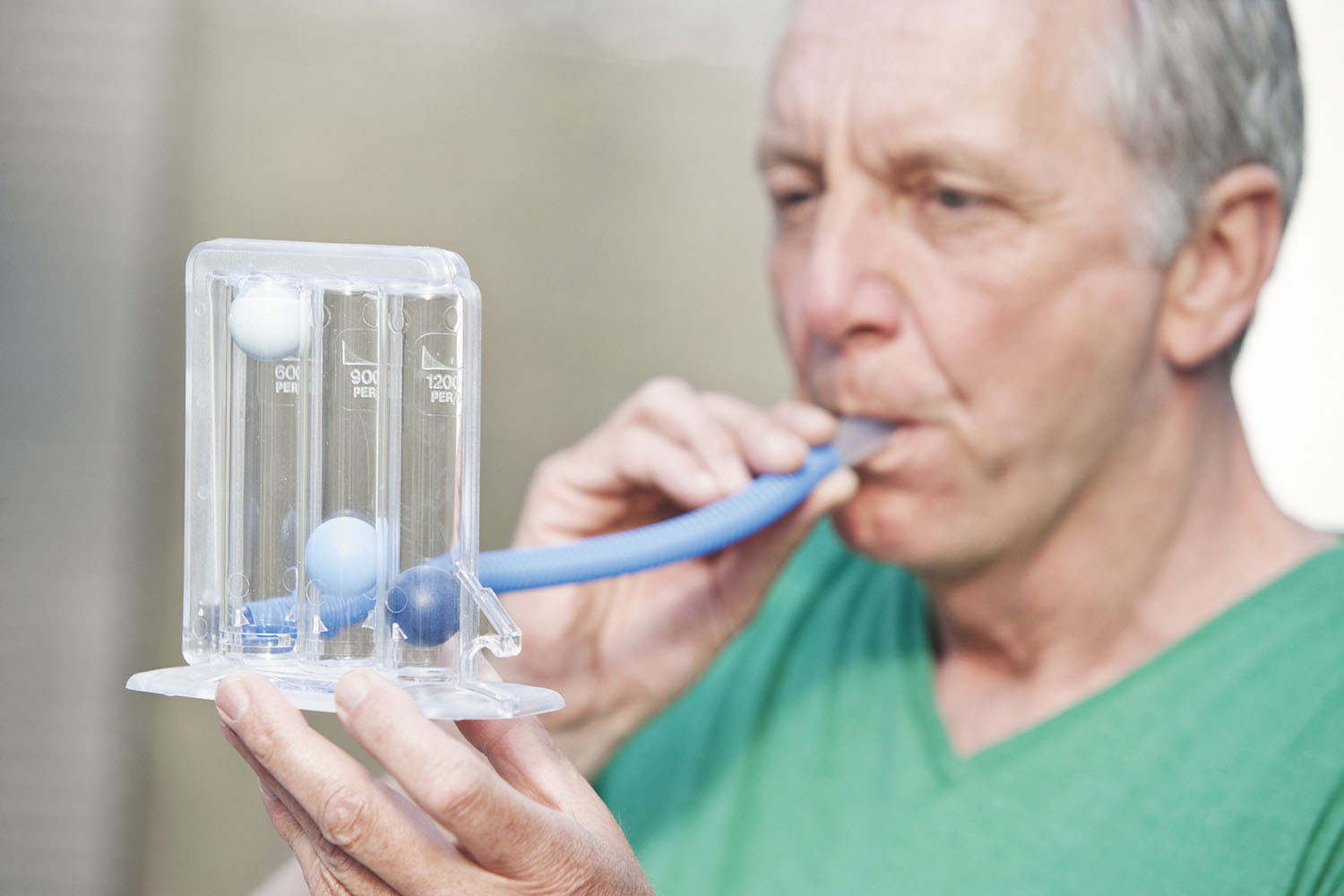
Shortness of breath: A common symptom with many possible causes
Heart and lung issues are often to blame for breathlessness. But an accurate diagnosis may require advanced testing.
Like your heartbeat, the regular inhale and exhale of your breathing is something you usually don't notice — until something doesn't feel quite right. Shortness of breath can result from a range of problems, including an allergic reaction, an anxiety attack, or anemia. But most often, the underlying cause is a heart or lung condition.
"Because these two organ systems are so intertwined, one always affects the other," says Dr. Aaron B. Waxman, who directs the Pulmonary Vascular Disease Program at Harvard-affiliated Brigham and Women's Hospital. In fact, about 60% of people with heart disease also have a lung disease. As a result, it's not always easy to distinguish cardiac and pulmonary issues, he says.
Why do I have a salty taste in my mouth?
On call
Q. I've had a salty taste in my mouth for the past few months. Is there anything I can do about it?
A. The salty taste could be due to your taste buds becoming more salt sensitive (often a medication side effect), or a higher concentration of salt in your saliva, which can happen if you get dehydrated. Other causes of a salty taste could include
Hip bursitis vs. arthritis: How to tell the difference
Fitness for longevity: Which type matters most?
Ministrokes linked to elevated risk of dementia
Continuous glucose monitors benefit people who don't need insulin
CoQ10: Should you take this popular supplement if you're on a statin?
Microplastics: A hidden health threat?
Oat vs. dairy milk: Nutrition, benefits, and downsides
What is tempeh? Benefits, nutrition, and how to use it
Healing after food poisoning
Whole grains may improve several heart risk factors at once
Free Healthbeat Signup
Get the latest in health news delivered to your inbox!
Sign Up
