

Hip bursitis vs. arthritis: How to tell the difference

Fitness for longevity: Which type matters most?

Ministrokes linked to elevated risk of dementia

Continuous glucose monitors benefit people who don't need insulin

CoQ10: Should you take this popular supplement if you're on a statin?

Microplastics: A hidden health threat?

Oat vs. dairy milk: Nutrition, benefits, and downsides

What is tempeh? Benefits, nutrition, and how to use it

Healing after food poisoning

Whole grains may improve several heart risk factors at once
Alzheimer's Disease Archive
Articles

Difficult relationships linked to bone loss
Research we're watching
Can emotional stress harm your bones? A new study found an association between stressful social relationships and bone problems in women. The study, which was published online July 9 by the Journal of Epidemiology & Community Health, found that women who reported high levels of social stress had lower bone density six years later. The study looked at more than 11,000 postmenopausal women. At the time of enrollment, the women filled out a questionnaire that asked them to rate their social stress levels and had their bone density measured both at enrollment and six years later at a follow-up appointment. Women who had reported high levels of stress at the initial interview showed a bigger decline in bone density at the follow-up compared with women who'd initially reported lower stress levels. This was true even after the researchers adjusted for other factors that may affect bone health, such as age, weight, smoking, alcohol use, and education, among others. The authors speculated that stress may harm bone health because stress leads to higher blood cortisol levels, a well-established reason for lower bone density. Further study is needed to understand and confirm the results.
Image: moodboard/Getty Images


An enlarged prostate gland and incontinence
Some men with an enlarged prostate gland (benign prostatic hyperplasia, or BPH for short) eventually start to experience urinary incontinence, the involuntary discharge of urine. The incontinence can be related to overactive bladder, one of the changes in bladder function caused by BPH.
Normally, the brain says "time to go" when your bladder is only partially full. That gives you a fair warning to find a place to relieve yourself. When you decide to let go, a valve called the urinary sphincter opens to allow the bladder to drain. Muscles in the bladder wall squeeze inward to empty the storage tank.

New thinking on peripheral neuropathy
Nerve damage might be causing everything from low blood pressure to gastrointestinal distress without your knowing it.
Doctors have long known peripheral neuropathy as a nerve condition that causes reduced sensation, tingling, weakness, or pain in the feet and hands. But those symptoms may be just the tip of the iceberg. Doctors are now learning that neuropathy can cause many more problems.
What is peripheral neuropathy?
Peripheral neuropathy refers to damage to the peripheral nerves throughout the body. These nerves carry messages to and from the brain.

Good oral health may help protect against Alzheimer’s
In the journals
Gingivitis (gum disease) has been linked to a higher risk of heart disease, but a recent study says that the bacteria that cause gingivitis also may be connected to Alzheimer's disease. The study was published Jan. 23, 2019, in Science Advances.
Scientists have previously found that this species of bacteria, called Porphyromonas gingivalis, can move from the mouth to the brain. Once in the brain, the bacteria release enzymes called gingipains that can destroy nerve cells, which in turn can lead to memory loss and eventually Alzheimer's.
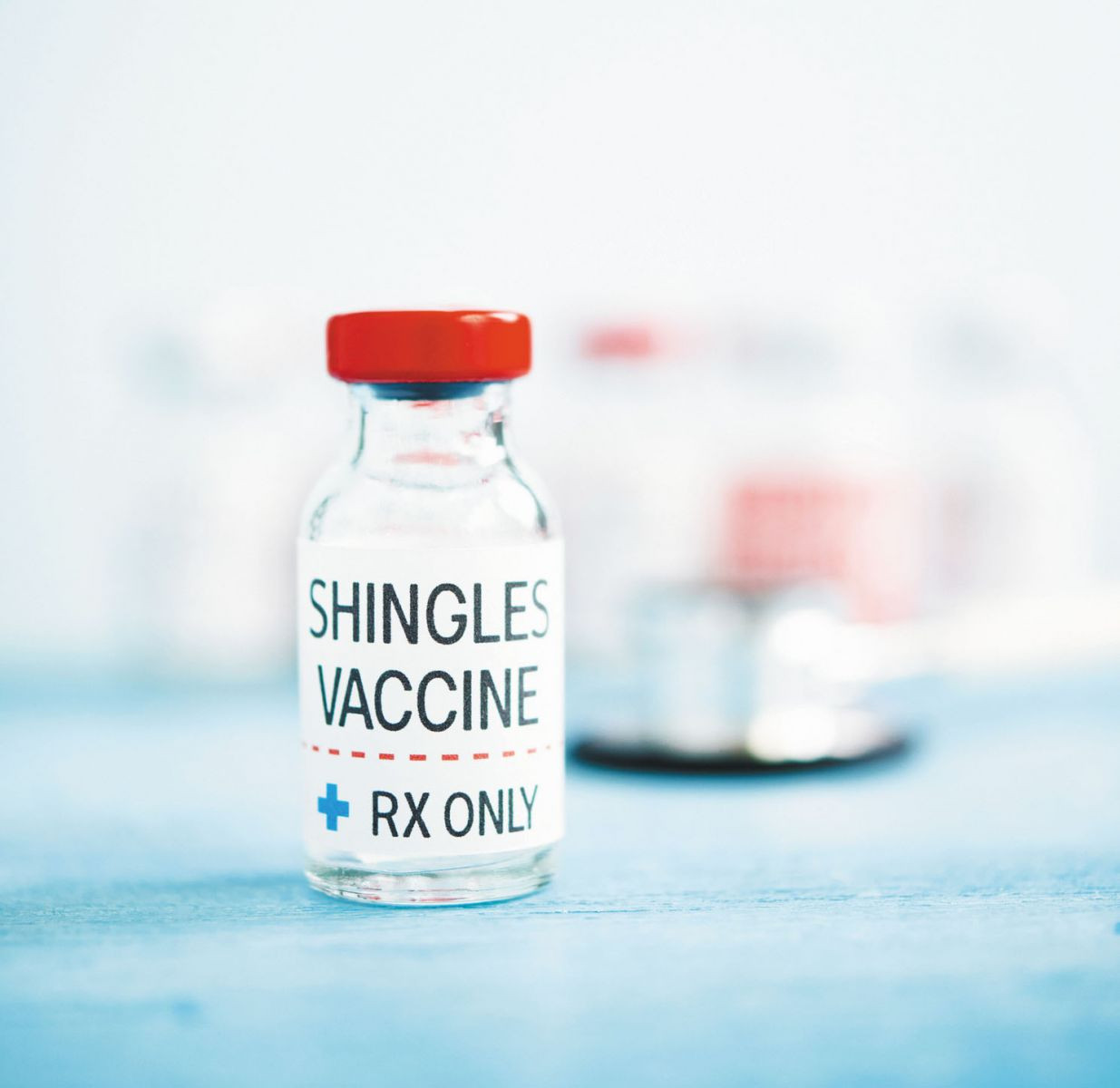
Is shingles contagious?
Ask the doctors
Q. I understand that shingles is caused by a virus. Does that mean that shingles is contagious?
A. Yes and no. If you had chickenpox when you were a child, you are at risk for shingles. Shingles occurs when the varicella-zoster virus that caused your chickenpox re-emerges after lying dormant in your nerve cells from the time of your original illness. When this occurs, you are contagious, but you can't give someone shingles. You can, however, infect people with chickenpox if they haven't been exposed to the virus in the past and haven't been vaccinated against it. For this reason, it's important to take precautions, particularly if you are close to someone who has a weakened immune system.

A purpose-driven life may last longer
Study shows an association between a strong sense of purpose in life and a lower risk of death from cardiovascular problems and blood conditions.
If you believe your life has meaning, it could potentially be longer, says a new study published online May 24 by JAMA Network Open.
Study authors found that among a group of nearly 7,000 adults over age 50, those who scored highest on a scale that measured "life purpose" were less likely to die during the study period, and also less likely to die during the same period from heart, circulatory, or blood conditions, compared with those who scored lower.

Beware of bats to avoid rabies infection
Research we're watching
Rabies infections are extremely rare in the United States, with only approximately one to three cases seen each year. That number has dropped significantly since the 1930s and 40s when there were 30 to 50 cases during the average year. But when they do occur, they're typically transmitted by infected bats. According to a new report by the CDC, the majority of people who have died from rabies in the United States were infected through contact with a bat. This is the case even though bats represent only one-third of the 5,000 rabid animals typically seen in the United States each year. The second most common source for rabies infections in Americans is rabid dogs encountered when people are traveling overseas.
To prevent exposure to rabies, be certain to let your doctor know if you are scratched or bitten by a bat, or if you awaken with one flying around your house or bedroom, says the CDC. If you are exposed to rabies, your doctor can administer a series of shots (known as post-exposure prophylaxis) before you develop symptoms, which can prevent you from developing a rabies infection, which is almost always fatal. If you are traveling outside the United States, be aware that dogs may carry the infection.

Hip bursitis vs. arthritis: How to tell the difference
Fitness for longevity: Which type matters most?
Ministrokes linked to elevated risk of dementia
Continuous glucose monitors benefit people who don't need insulin
CoQ10: Should you take this popular supplement if you're on a statin?
Microplastics: A hidden health threat?
Oat vs. dairy milk: Nutrition, benefits, and downsides
What is tempeh? Benefits, nutrition, and how to use it
Healing after food poisoning
Whole grains may improve several heart risk factors at once
Free Healthbeat Signup
Get the latest in health news delivered to your inbox!
Sign Up
