

Hip bursitis vs. arthritis: How to tell the difference

Fitness for longevity: Which type matters most?

Ministrokes linked to elevated risk of dementia

Continuous glucose monitors benefit people who don't need insulin

CoQ10: Should you take this popular supplement if you're on a statin?

Microplastics: A hidden health threat?

Oat vs. dairy milk: Nutrition, benefits, and downsides

What is tempeh? Benefits, nutrition, and how to use it

Healing after food poisoning

Whole grains may improve several heart risk factors at once
Alzheimer's Disease Archive
Articles

How do you avoid kidney stone attacks?
On call
Q. I want to avoid another kidney stone attack. What's your advice about diet, coffee, tea, and alcohol?
A. The foods you eat and the amount of fluid you drink can contribute to some types of kidney stones. Certainly, you can help prevent recurrent kidney stones by paying attention to your fluid and food intake.

Should I get a COVID-19 antibody test?
Ask the doctor
Q. Should I get a test for COVID-19 antibodies, even though I've never had any symptoms and I don't think I've had the virus?
A. A blood test for COVID-19 antibodies tells you if you have been infected in the past; it does not accurately tell you if you are currently infected. You can get an antibody test through your doctor, or possibly through a testing center set up by your state or city.

Should adult kids get a COVID-19 test before a visit home?
Ask the doctor
Q. Should I make my kids get tested for COVID-19 before they come to visit me?
A. As we go to press, in most communities in the United States and Europe, the virus still is widespread — particularly among young adults. Many young adults who become infected do not develop symptoms, and therefore may not suspect they are infected. Worse, they may be shedding the virus and able to infect others. Older people are more vulnerable to becoming severely ill from the virus than young adults (although some young adults and even children can become very ill). So if my kids had symptoms that might indicate they had COVID-19, I'd ask them not to come. If they had no symptoms but were living in a "hot spot," I'd ask them to get tested before they traveled — and not to visit if they tested positive. I would hate not to see the kids, but it's a sacrifice we have to make until we control the virus.

An outlook better than optimism?
While looking at the sunny side of life offers a lot of light moments, there may be a better path to well-being.
Optimism feels good. The expectation that positive things will happen is associated with happiness and better health, including fewer heart attacks and a lower risk for premature death. Pessimism, on the other hand, feels bad; it makes you depressed or anxious and keeps the fight-or-flight system activated, triggering chronic inflammation (which is linked to many diseases).
You might think the best way to improve your well-being is to cultivate an optimistic outlook. Think again. "Better than cultivating an artificial optimism is to see the situation and the world realistically," says Ronald Siegel, an assistant professor of psychology, part-time, at Harvard Medical School and medical editor of the Harvard Special Health Report Positive Psychology.

How not to lose money because of Alzheimer's disease
Researchers found that people who go on to develop Alzheimer's disease or a related disorder are more likely to miss paying a bill prior to being diagnosed, but such people face more significant related issues: poor financial decision-making and falling victim to financial scams.

5 action steps for quitting an addiction
Because change is so difficult, it's useful to have a guide when attempting to kick an addiction to drugs, alcohol or behavior. Research shows that the following steps can help you move toward your recovery goals. You have the greatest chance of success if you adopt all five steps.
1. Set a quit date. It might be helpful to choose a meaningful date like a special event, birthday, or anniversary.
Harvard study: Unapproved drugs in brain-boosting supplements

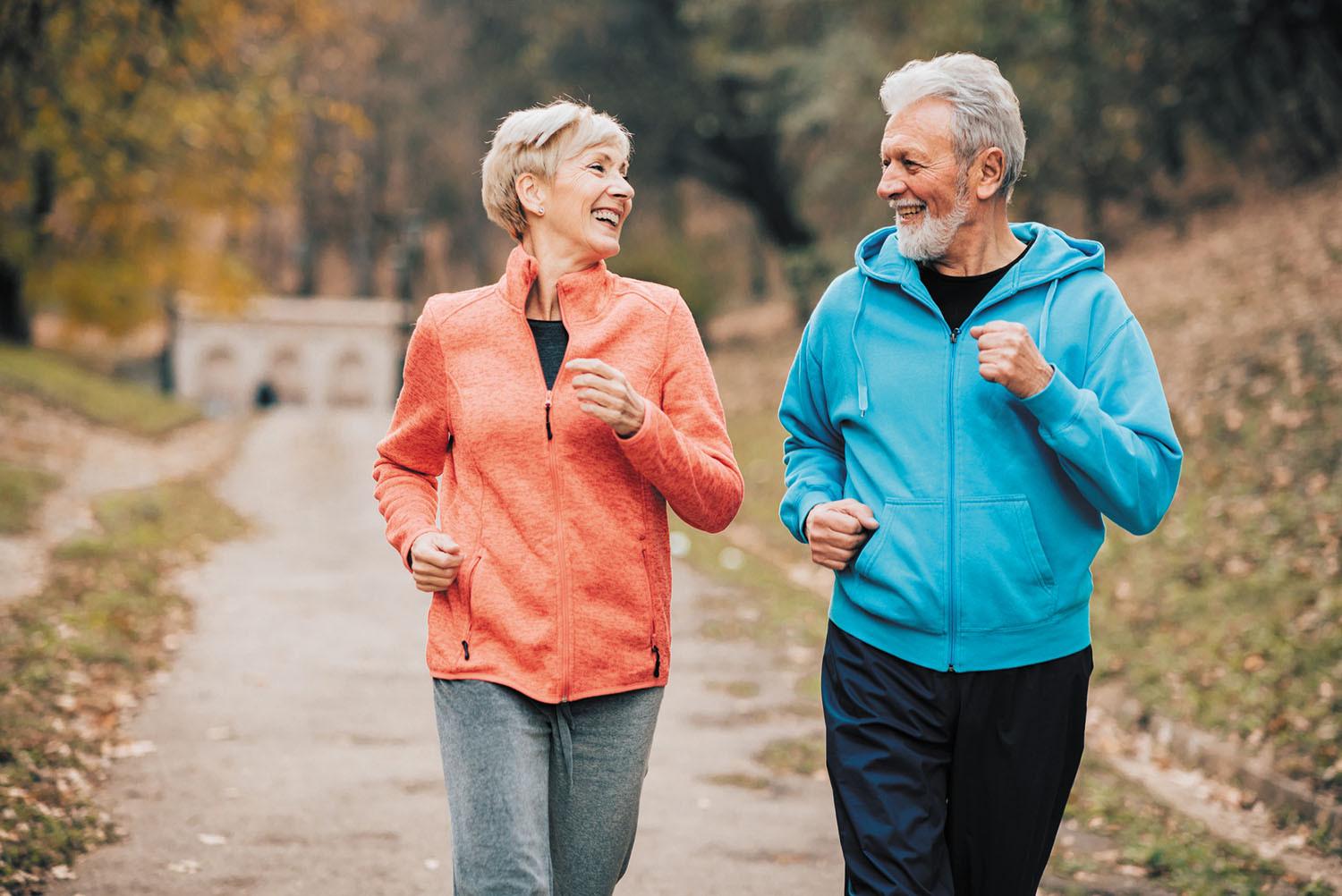
Boost vitality by engaging your brain
Continuing work and satisfaction in life can help older adults preserve their cognitive health.
Declining brain health is perhaps the greatest fear of older adults. The good news is that you can take steps to maintain your thinking and memory for many years to come.
A healthy diet, regular aerobic exercise, and proper sleep are essential to keep your brain healthy. But work engagement and life satisfaction are two additional factors that confer mind benefits.

General anesthesia does not appear to increase dementia risk
In the journals
Because older adults often experience temporary changes in memory and thinking after having general anesthesia, they may worry that it increases their risk of dementia. A recent study should help put their minds at ease. Researchers found no association between the type of anesthesia and dementia risk, according to findings published online Oct. 6, 2020, by the Journal of the American Geriatrics Society.
The study looked at almost 7,500 people ages 66 or older without diagnosed dementia who underwent surgery requiring either general anesthesia (where you are unconscious) or regional anesthesia (where you are awake and the surgical area is numbed). The researchers included only people who had not had any previous surgery and stopped assessing those who had a second surgery later.
Hip bursitis vs. arthritis: How to tell the difference
Fitness for longevity: Which type matters most?
Ministrokes linked to elevated risk of dementia
Continuous glucose monitors benefit people who don't need insulin
CoQ10: Should you take this popular supplement if you're on a statin?
Microplastics: A hidden health threat?
Oat vs. dairy milk: Nutrition, benefits, and downsides
What is tempeh? Benefits, nutrition, and how to use it
Healing after food poisoning
Whole grains may improve several heart risk factors at once
Free Healthbeat Signup
Get the latest in health news delivered to your inbox!
Sign Up
