

Hip bursitis vs. arthritis: How to tell the difference

Fitness for longevity: Which type matters most?

Ministrokes linked to elevated risk of dementia

Continuous glucose monitors benefit people who don't need insulin

CoQ10: Should you take this popular supplement if you're on a statin?

Microplastics: A hidden health threat?

Oat vs. dairy milk: Nutrition, benefits, and downsides

What is tempeh? Benefits, nutrition, and how to use it

Healing after food poisoning

Whole grains may improve several heart risk factors at once
Alzheimer's Disease Archive
Articles

Sour mood getting you down? Get back to nature
Research suggests that mood disorders can be lifted by spending more time outdoors.
Image: © Sidekick/Getty Images
Looking for a simple way to help reduce stress, anxiety, and depression, and maybe even improve your memory? Take a walk in the woods.
"Many men are at higher risk for mood disorders as they age, from dealing with sudden life changes like health issues, the loss of loved ones, and even the new world of retirement," says Dr. Jason Strauss, director of geriatric psychiatry at Harvard-affiliated Cambridge Health Alliance. "They may not want to turn to medication or therapy for help, and for many, interacting with nature is one of the best self-improvement tools they can use."


Numb from the news? Understanding why and what to do may help
The daily onslaught of news during the past year has left many people in a steady state of fatigue, resignation, and grief. The symptoms of collective trauma are widespread and familiar, but one merits special attention: numbness, which is one possible response to an overwhelming situation.
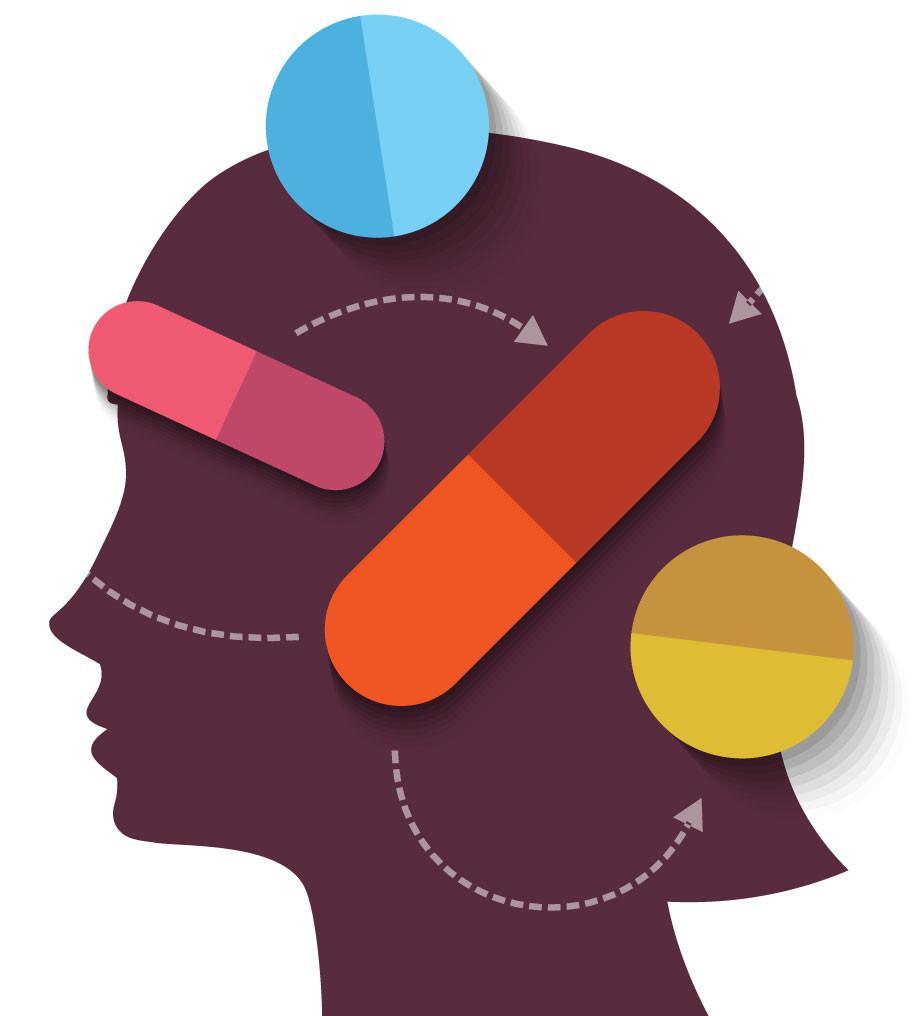
Two types of drugs you may want to avoid for the sake of your brain
Benzodiazepines and drugs with strong anticholinergic effects have been linked to Alzheimer's disease in people who take them. There are alternatives to both types.

Over-the-counter hearing aids: Are they ready yet?
They're not yet FDA-approved, but the devices are available and safe — if you know what to look for.
When Congress passed the Over-the-Counter (OTC) Hearing Aid Act in 2017, it opened up a new world of possibility for people with hearing loss. Instead of paying $5,000 for a pair of FDA-approved hearing aids and follow-up service, you could pay hundreds of dollars for an OTC pair from any seller — no doctor appointments, hearing tests, or fittings needed. The devices would have the same fundamental technology as traditional hearing aids, they'd be targeted to people with perceived mild-to-moderate hearing loss, and the FDA would ensure quality by regulating and approving the OTC devices.
But almost four years later, the OTC hearing aid category and its safety and labeling rules are still tied up in red tape.

Coping with relationship fatigue
Too much time together makes for tense moments. Cutting each other some slack and setting ground rules will help.
There's such a thing as too much togetherness at home, no matter if you're with a romantic partner, an adult child, a grandchild, or a friend. "Because of the pandemic, we're frozen in place with people, but we aren't meant to be in the same space all day long," says Dr. Robert Waldinger, a psychiatrist with Harvard-affiliated Massachusetts General Hospital.
Keeping the peace starts with understanding why you may be getting on each other's nerves. Then you can try following a few rules to get along better.

What can I do for my excessive sweating?

Take a deep breath before adopting new asthma guidelines
News briefs
Hold off before you follow new recommendations to treat mild, persistent asthma — or at least consult your doctor first. The updated guidelines from the National Institutes of Health, published online in the December 2020 issue of The Journal of Allergy and Clinical Immunology, say it's okay for people with mild, persistent asthma to stop daily use of inhaled corticosteroids and instead use them only as needed, along with short-acting beta agonists ("rescue" medications). That's considered a major shift in guidance. But that may not be a good idea for some older adults, notes Dr. Anna Wolfson, an allergist and immunologist at Harvard-affiliated Massachusetts General Hospital. "A lot of people have a harder time with the occasional use of medications than a routine practice of daily use," she says. "And you may not want to decrease your asthma regimen during the pandemic. Poorly controlled asthma could lead to a flare or an ER visit, and perhaps an increased risk for complications if you develop COVID-19." Dr. Wolfson says there are some people who might benefit from using inhaled corticosteroids only as needed, but she urges you to speak with your doctor before changing your medication regimen.
Image: Branimir/Getty Images

More older adults are not aware of hypertension
In the journals
Do you know if you have hypertension (high blood pressure)? And if you do, are you treating it effectively? Study findings published online Sept. 9, 2020, by JAMA found that people's awareness and control of their high blood pressure have both dropped in recent years, especially among older adults.
The study pulled data from the National Health and Nutrition Examination Survey. It found that the number of people who knew they had hypertension fell 8% from 2013 to 2018. Among those who were aware of their condition, more than half did not manage it adequately. In particular, adults ages 60 and older were less likely to control their high blood pressure than younger people. Lack of engagement could be a factor. Researchers noted that among people who hadn't been to their doctor in the past year, fewer than 10% had controlled their blood pressure.
Hip bursitis vs. arthritis: How to tell the difference
Fitness for longevity: Which type matters most?
Ministrokes linked to elevated risk of dementia
Continuous glucose monitors benefit people who don't need insulin
CoQ10: Should you take this popular supplement if you're on a statin?
Microplastics: A hidden health threat?
Oat vs. dairy milk: Nutrition, benefits, and downsides
What is tempeh? Benefits, nutrition, and how to use it
Healing after food poisoning
Whole grains may improve several heart risk factors at once
Free Healthbeat Signup
Get the latest in health news delivered to your inbox!
Sign Up
