

Hip bursitis vs. arthritis: How to tell the difference

Fitness for longevity: Which type matters most?

Ministrokes linked to elevated risk of dementia

Continuous glucose monitors benefit people who don't need insulin

CoQ10: Should you take this popular supplement if you're on a statin?

Microplastics: A hidden health threat?

Oat vs. dairy milk: Nutrition, benefits, and downsides

What is tempeh? Benefits, nutrition, and how to use it

Healing after food poisoning

Whole grains may improve several heart risk factors at once
Anxiety Archive
Articles

Denial: How it hurts, how it helps, and how to cope
Denial is a natural response at times when you’re unable or unwilling to face the facts. As a defense mechanism, it can be helpful or harmful. Here's how to spot it in yourself and others, and how to move from denial toward meaningful change.

What should you do if panic attacks start while taking an SSRI?
New panic attacks while taking an SSRI may prompt questions about dosage, switching medications, or adding another type of treatment.

What is anhedonia?
When pleasure fades from everyday activities, anhedonia can affect mood, relationships and motivation. Discover why it happens and where support may help.

How can caregiving affect your health?
Caregiving can have physical and mental effects. Explore ways to cope and find support.
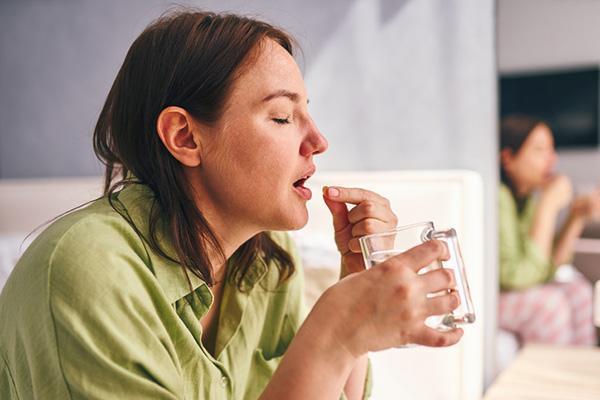
Is 5-HTP safe to take as a mood supplement??
5-HTP is often promoted for mood support, but its effects, side effects, and place among depression treatments deserve careful consideration.

Mindfulness practices to reduce stress and improve focus
Mindfulness is the process of paying attention to one’s surroundings with an attitude of acceptance. Mindfulness practices can anchor people’s consciousness moment by moment, helping them to ease stress and anxiety and to sustain attention. Mindfulness practices can be done while sitting, walking, and eating.

Meditation techniques: How to meditate for stress, sleep, and focus
Meditation is a family of mind-body practices that focus attention to help calm the nervous system and support overall well-being. Consistent daily practice can result in modest improvements in stress, anxiety, sleep, mood, and attention, though meditation is not a substitute for medical or psychological care.

Holiday arguments brewing? Here's how to defuse them
The holidays are supposed to be filled with love, laughter, and good cheer. Unfortunately, joyous celebration often deteriorates into discord when family and friends gather during the season. But you don’t have to get drawn into arguments if you plan ahead and stay alert for potential triggers.

Want more happiness? Try this
What could you do today to feel happier? Three strategies drawn from positive psychology, a field that aims to improve moods and lives, may help.

Bridging the gap: Dementia communication strategies
Communicating with someone with dementia can be tricky, since their ability to understand others and express themselves fluctuates and declines. Certain communication strategies can help smooth interactions between caregivers and dementia patients. They include being an active listener, avoiding confrontation, agreeing with the patient's reality, removing distractions, using shorter sentences and smaller words, asking yes-or-no questions, using written lists and schedules, and incorporating touch.
Hip bursitis vs. arthritis: How to tell the difference
Fitness for longevity: Which type matters most?
Ministrokes linked to elevated risk of dementia
Continuous glucose monitors benefit people who don't need insulin
CoQ10: Should you take this popular supplement if you're on a statin?
Microplastics: A hidden health threat?
Oat vs. dairy milk: Nutrition, benefits, and downsides
What is tempeh? Benefits, nutrition, and how to use it
Healing after food poisoning
Whole grains may improve several heart risk factors at once
Free Healthbeat Signup
Get the latest in health news delivered to your inbox!
Sign Up
