

Hip bursitis vs. arthritis: How to tell the difference

Fitness for longevity: Which type matters most?

Ministrokes linked to elevated risk of dementia

Continuous glucose monitors benefit people who don't need insulin

CoQ10: Should you take this popular supplement if you're on a statin?

Microplastics: A hidden health threat?

Oat vs. dairy milk: Nutrition, benefits, and downsides

What is tempeh? Benefits, nutrition, and how to use it

Healing after food poisoning

Whole grains may improve several heart risk factors at once
Anxiety Archive
Articles

Men (back) at work
Recreating the workplace dynamics helps older men strengthen their social bonding and thinking skills.
<Image: © Highwaystarz-Photography/Thinkstock/p>
Men who retire are often happy to leave behind their work life, but one aspect they still need is the workplace's packlike male bonding. Group lunches, team projects, watercooler banter — all these help men establish social connections that keep their brains and bodies active and healthy.
"Women tend to make friends across their life span, while men acquire friends in clumps through shared experiences like sports, the military, and work," says Dr. Richard S. Schwartz, a psychiatrist with Harvard-affiliated McLean Hospital. "When one source is eliminated, men tend to lose some of those friends over time and have to find other ways to connect with people and fill those missing gaps."

Opioid misuse rising among older adults
Research we're watching
A growing number of older adults are misusing opioids, according to a new report by the Substance Abuse and Mental Health Services Administration of the U.S. Department of Health and Human Services. The 2014 National Survey on Drug Use and Health showed that the percentage of adults ages 50 and older using heroin or misusing prescription opioids jumped from 1.1% to 2% between 2002 and 2014. In contrast, opioid use in adults ages 18 to 25 dropped from 11.5% to 8.1% over the same period.
Drug use can bring particular risks to the health and well-being of older adults because they are more likely than younger people to have other illnesses and often take medications that can interact with opioids, according Center for Substance Abuse Treatment. "These findings highlight the need for prevention programs for all ages as well as to establish improved evidence-based treatment, screening, and appropriate referral services," Dr. Kimberly Johnson, director for the Center for Substance Abuse Treatment, said in a written statement.


Feeling okay about feeling bad is good for your mental health
A trio of studies investigated the connection between the ability to accept the negative emotions generated by stressful situations and a person’s long-term psychological health.



Putting off retirement may benefit your brain, health, and longevity
The purpose and engagement of a job you love can keep you healthy and connected.
Image: © monkeybusinessimages/Thinkstock
While many women dream of kicking back and relaxing into retirement, there's increasing evidence that in some cases, it's better for your brain and your health to keep your nose to the grindstone a little longer.
"The research to date is mixed, but it tends toward the positive — that is, for many people, there are health benefits to working longer," says Dr. Nicole Maestas, associate professor of health care policy at Harvard Medical School.
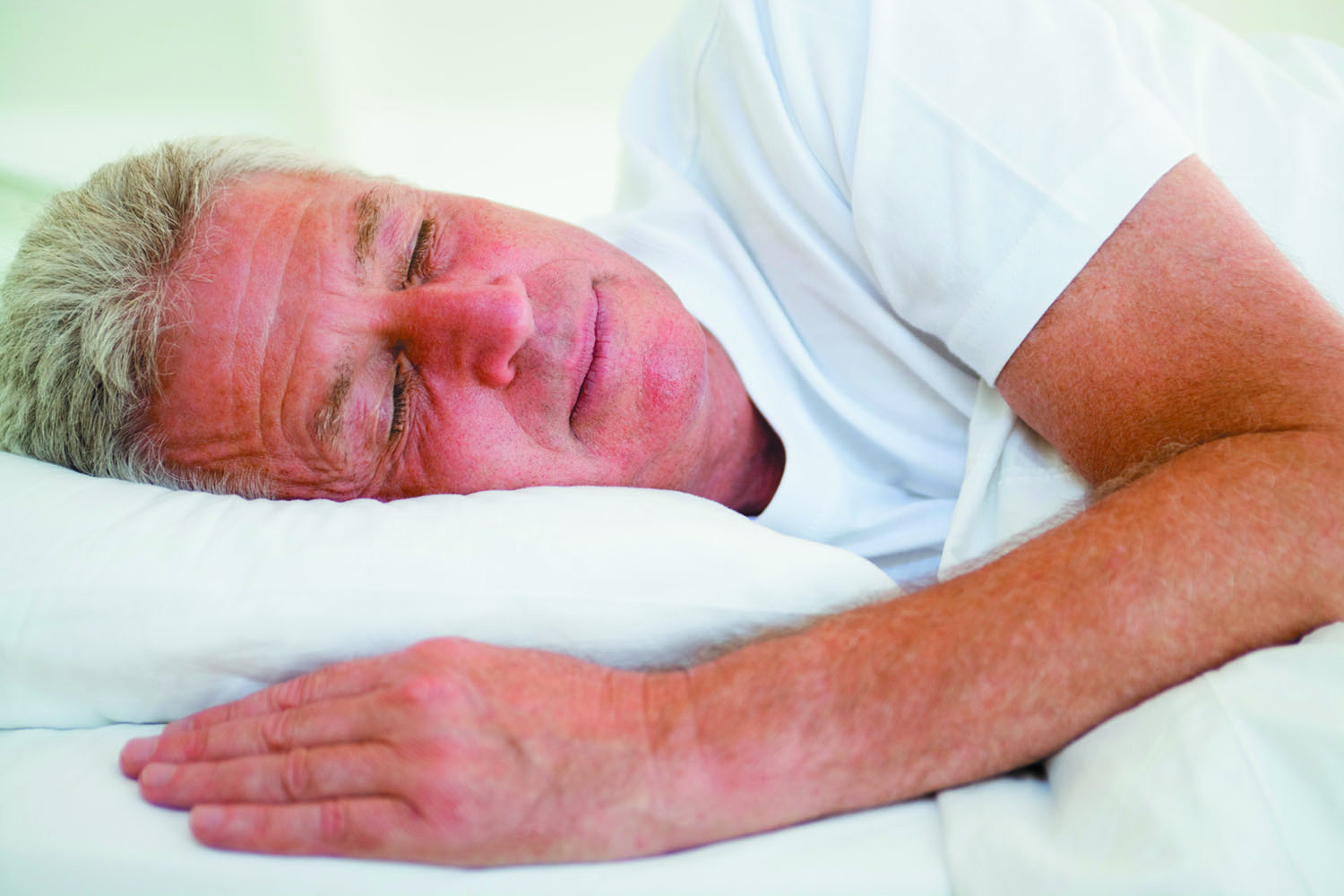
Alzheimer’s wake-up call
Can getting quality sleep help prevent the disease?
Image: © Monkey Business Images/Thinkstock
A good night's sleep does more than rejuvenate you for the next day. It may help protect you against Alzheimer's disease. Research has begun to show an association between poor sleep and a higher risk of accumulating beta-amyloid protein plaque in the brain, one of the hallmarks of the disease.
"Observational studies have found that adults over age 65 with amyloid plaques in their brain have reduced slow-wave sleep, which is thought to play an important role in memory function, even though these people do not yet show signs of Alzheimer's, like memory loss and cognitive decline," says Dr. Brad Dickerson, associate professor of neurology at Harvard Medical School. "It may be that quality sleep could play a role in who may get Alzheimer's."

How you deal with pain goes a long way toward relieving it
When you live with physical pain, changing your reaction to it can help you better manage discomfort and obstacles.
Image: © filipefrazao/Thinkstock
Dealing with chronic physical pain, no matter the source or severity, is a constant challenge, but sometimes the emotional pain that comes with it can be just as trying. In fact, more than half of people with pain feel they have lost control of their lives, according to the American Academy of Pain Medicine.
"In general, men tend to be less verbal about seeking help with their physical pain," says Dr. Ellen Slawsby, director of pain management at the Benson-Henry Institute for Mind Body Medicine at Harvard's Massachusetts General Hospital.
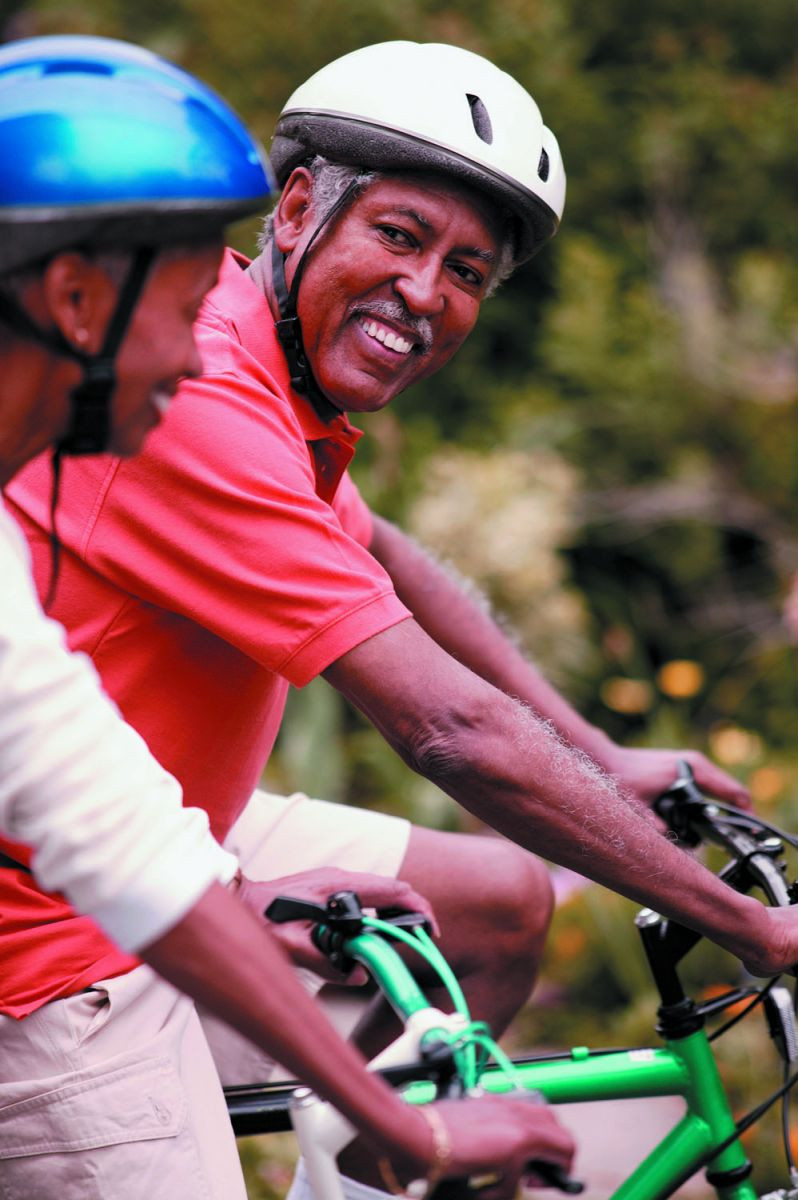
Better habits, better brain health
Exercising, maintaining good health, socializing, and learning new information may help keep you sharper, longer.
Everyone wants to live an active, vibrant life for as long as possible. And that goal depends on robust brain health. While we don't have a guaranteed way to prevent dementia, we do have increasing evidence that engaging in healthy lifestyle habits may help.
For example, a 2015 randomized controlled trial from Finland suggested that older adults with a number of healthy habits — such as eating a healthy diet, exercising regularly, and socializing — improved or maintained thinking skills and reduced the risk of cognitive decline.
Hip bursitis vs. arthritis: How to tell the difference
Fitness for longevity: Which type matters most?
Ministrokes linked to elevated risk of dementia
Continuous glucose monitors benefit people who don't need insulin
CoQ10: Should you take this popular supplement if you're on a statin?
Microplastics: A hidden health threat?
Oat vs. dairy milk: Nutrition, benefits, and downsides
What is tempeh? Benefits, nutrition, and how to use it
Healing after food poisoning
Whole grains may improve several heart risk factors at once
Free Healthbeat Signup
Get the latest in health news delivered to your inbox!
Sign Up
