

Hip bursitis vs. arthritis: How to tell the difference

Fitness for longevity: Which type matters most?

Ministrokes linked to elevated risk of dementia

Continuous glucose monitors benefit people who don't need insulin

CoQ10: Should you take this popular supplement if you're on a statin?

Microplastics: A hidden health threat?

Oat vs. dairy milk: Nutrition, benefits, and downsides

What is tempeh? Benefits, nutrition, and how to use it

Healing after food poisoning

Whole grains may improve several heart risk factors at once
Balance Archive
Articles

A three-pronged approach to exercise
To optimize cardiovascular health, the best strategy may be a workout that combines three types of exercise: moderate-intensity aerobic exercise, vigorous-intensity aerobic exercise, and strength training. Moderate activity burns calories and boosts metabolism, which helps control weight. Moderate-to-vigorous exercise also helps dampen the body's "fight or flight" response, which plays a role in chronic stress and anxiety. Aerobic exercise in general also helps the heart to become more efficient and blood vessels to become more flexible. Strength training makes the body more efficient at burning fat for energy and helps improve insulin sensitivity.

Counting steps is good - is combining steps and heart rate better?
Monitoring daily step count can encourage people to be more active. When it comes to assessing fitness or risk for major illnesses, though, is a new measurement that combines both average steps and heart rate better?

Short-term cognitive boost from exercise may last for many hours
In a 2024 study, researchers found that the short-term brain boosts people receive after doing moderate to vigorous exercise can last 24 hours.
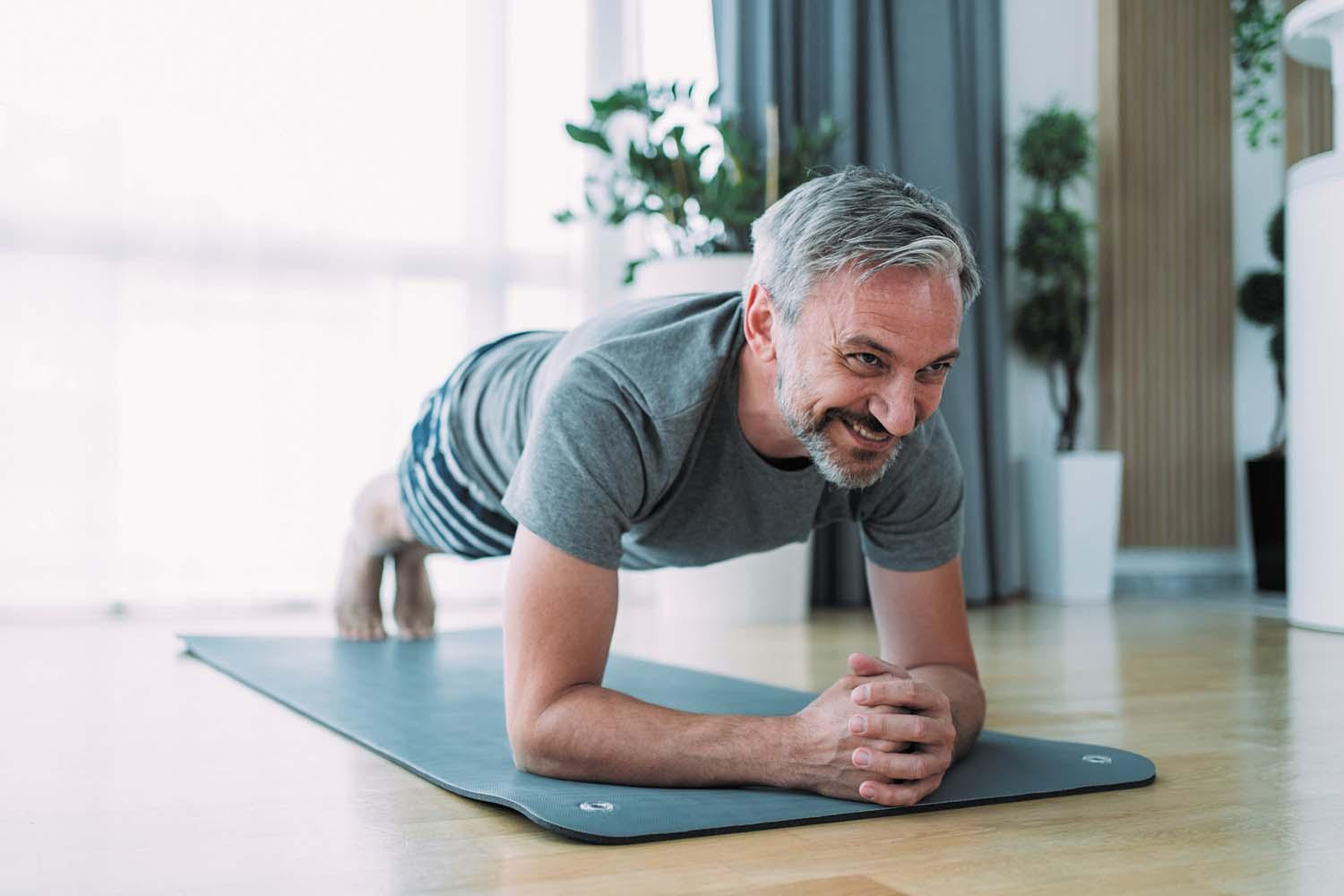
Are you headed for a fall?
People often don't realize they are at high risk for falling until after they've taken a tumble. Studies have shown that maintaining optimal core and postural strength, good balance, and flexibility in the calves and hips are the best ways to prevent falls. At-home tests can help highlight weaknesses in these three areas that can then be addressed with a personal trainer or physical therapist.

Exercises that go easy on the bladder
Several strategies can help people cope when stress incontinence leads to urine leaks during exercise. For example, doing low-impact (rather than high-impact) exercise will put less stress on the pelvic floor muscles, helping to reduce leakage. Wearing absorbent "bladder leak" underwear can keep someone dry and comfortable during activity. Regularly strengthening the pelvic floor, abdominal, and hip muscles will bolster the body's ability to keep urine from leaking out of the bladder.

Why exercise if I'm not losing weight?
Some people may feel like it's pointless to exercise if they're not losing weight as a result. But there are many reasons to exercise beyond weight loss. Regular exercise has a long list of health benefits, including an energy boost, better sleep, and reduced risks for addictive behaviors as well as many chronic diseases such as heart disease, strokes, many cancers, dementia (including Alzheimer's disease), diabetes, depression, anxiety, pneumonia, osteoporosis, and kidney problems.

How much aerobic exercise does it take to lose weight?
In a 2024 study of more than 183,000 middle-aged healthy people followed for 13 years, those who closely followed a plant-based diet had lower risks of developing blood clots in the legs or lungs, even if their genes made them more likely to get the blood clots.


Even small amounts of extra exercise could lower blood pressure
A 2024 study suggested that even five minutes of additional vigorous daily exercise could lower blood pressure.
Hip bursitis vs. arthritis: How to tell the difference
Fitness for longevity: Which type matters most?
Ministrokes linked to elevated risk of dementia
Continuous glucose monitors benefit people who don't need insulin
CoQ10: Should you take this popular supplement if you're on a statin?
Microplastics: A hidden health threat?
Oat vs. dairy milk: Nutrition, benefits, and downsides
What is tempeh? Benefits, nutrition, and how to use it
Healing after food poisoning
Whole grains may improve several heart risk factors at once
Free Healthbeat Signup
Get the latest in health news delivered to your inbox!
Sign Up
