

Hip bursitis vs. arthritis: How to tell the difference

Fitness for longevity: Which type matters most?

Ministrokes linked to elevated risk of dementia

Continuous glucose monitors benefit people who don't need insulin

CoQ10: Should you take this popular supplement if you're on a statin?

Microplastics: A hidden health threat?

Oat vs. dairy milk: Nutrition, benefits, and downsides

What is tempeh? Benefits, nutrition, and how to use it

Healing after food poisoning

Whole grains may improve several heart risk factors at once
Balance Archive
Articles

Tricep workouts you can do at home
Located at the back of the upper arm, the triceps muscles constitute about two-thirds of its muscle mass. Often overlooked by people in favor of training the more-visible biceps or deltoid muscles, the triceps are integral to performing everyday tasks, such as heavy lifting and reaching.
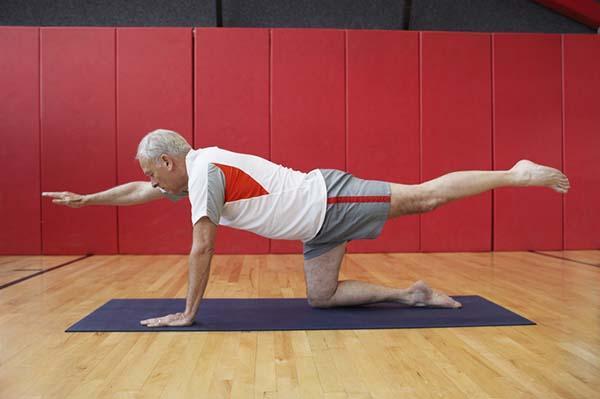
Bird dog exercise for your core: How to do it safely
The bird dog exercise is performed on the hands and knees. It involves extending one arm and the leg on the opposite side simultaneously. This exercise is highly effective at strengthening the core, the group of muscles in the abdomen, back, pelvis, and hips that stabilize the spine.

What can help ease orthostatic tremor?
When clonazepam doesn’t ease the unsteadiness of orthostatic tremor, other medicines may offer options to discuss with your doctor.
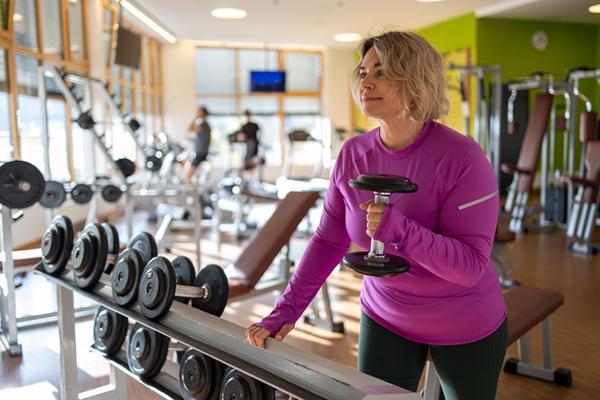
How long does it take to build muscle?
Building strength requires progressive resistance training two to three times a week, challenging major muscle groups. Expect strength gains resulting from nerves more effectively recruiting existing muscle within two weeks and visible muscle growth after eight to 12 weeks. Results also depend on consuming adequate calories and protein.

Orienteering: Great exercise and better thinking skills?
The navigation sport orienteering combines map and compass reading with exercise. It’s a fun way to get outside and get some exercise — and it may even help fight cognitive decline.
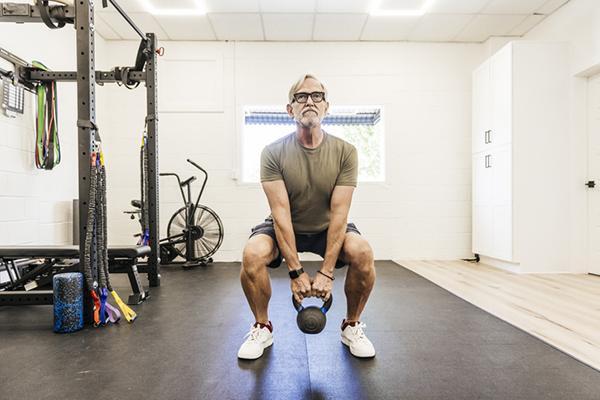
Strength training over decades linked to longer life
A 2026 study suggests that people who do up to two hours of strength training each week over several decades may have a lower risk of dying earlier from several serious conditions, including heart disease and neurological diseases such as dementia.

Should you schedule your exercise based on your circadian rhythm?
A small, short-term 2026 study suggests that people who schedule their exercise to align with their chronotype—the body’s natural sleep and wake cycle—may lower their heart risk factors more than those who exercise at times that don’t align with their chronotype.

Medication side effects that can mimic "getting older"
Some prescription and over-the-counter drugs produce side effects that resemble problems tied to aging, such as memory lapses, balance issues, or fatigue. Older adults are more sensitive to medication side effects because their body composition and metabolism change.

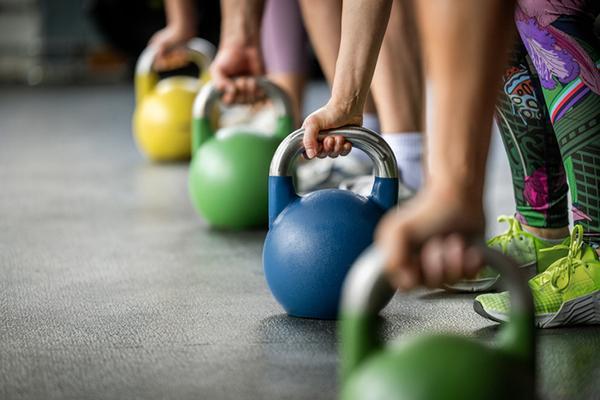
Kettlebell exercises you haven't tried yet
Beyond familiar kettlebell exercises such as kettlebell swings, many lesser-known kettlebell moves can create a full-body workout. Examples include around-the-world passes, bottoms-up kettlebell carries, and kettlebell deadlifts.
Hip bursitis vs. arthritis: How to tell the difference
Fitness for longevity: Which type matters most?
Ministrokes linked to elevated risk of dementia
Continuous glucose monitors benefit people who don't need insulin
CoQ10: Should you take this popular supplement if you're on a statin?
Microplastics: A hidden health threat?
Oat vs. dairy milk: Nutrition, benefits, and downsides
What is tempeh? Benefits, nutrition, and how to use it
Healing after food poisoning
Whole grains may improve several heart risk factors at once
Free Healthbeat Signup
Get the latest in health news delivered to your inbox!
Sign Up
