

Hip bursitis vs. arthritis: How to tell the difference

Fitness for longevity: Which type matters most?

Ministrokes linked to elevated risk of dementia

Continuous glucose monitors benefit people who don't need insulin

CoQ10: Should you take this popular supplement if you're on a statin?

Microplastics: A hidden health threat?

Oat vs. dairy milk: Nutrition, benefits, and downsides

What is tempeh? Benefits, nutrition, and how to use it

Healing after food poisoning

Whole grains may improve several heart risk factors at once
Balance Archive
Articles

Protect yourself from falls outside the home
Many strategies can help people avoid falls in public places. For example, people can wear shoes with nonslip treads in stores and office buildings, use a rollator for stability in crowded areas such as airports or shopping malls, hold handrails on public staircases (or avoid them), avoid parking too close to vehicles in parking lots, or use the handicap stall in public bathrooms. Another important strategy is regularly strengthening leg and core muscles and practicing balance exercises (such as standing on one leg).
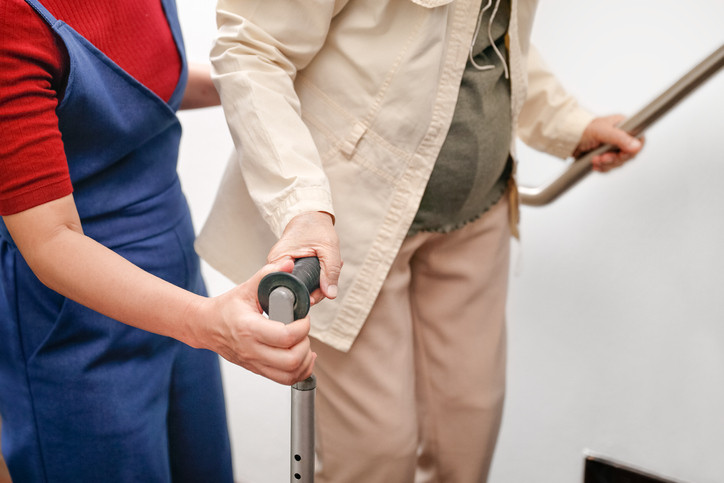
Preventing falls in older adults: Multiple strategies are better
Falls among older adults are on the rise, but most are preventable. To do this, interventions must target the multiple factors that contribute to falls, taking steps to minimize them or prevent them entirely.

Winter hiking: Magical or miserable?
The instinct to stay indoors during winter can start to feel confining after a while. Going for a winter hike is a great way to get out in nature and get exercise, but it’s quite different from warm-weather hiking, and requires preparation and precautions.
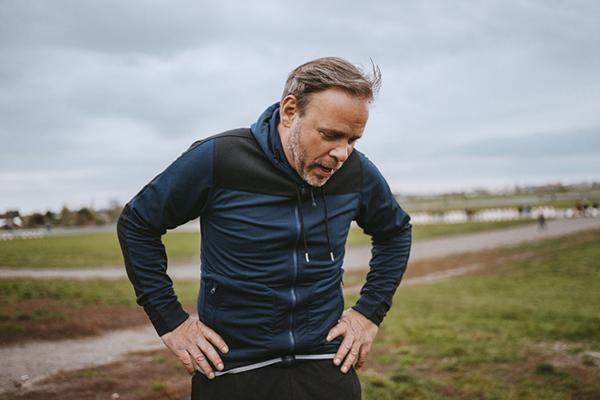
How soon can I start exercising again after the flu?
Your first workouts when recovering from the flu should be lighter and slower than usual. Your body will let you know when you're ready to ramp back up.
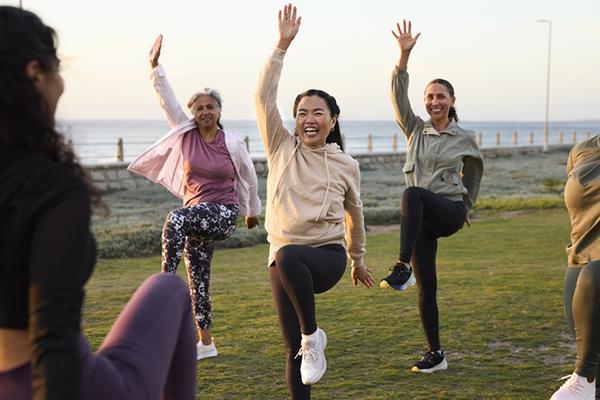
What exercises can help improve balance and prevent falls?
Targeted strength exercises, simple one‑leg stands, and practices like tai chi can improve balance and stability so walking feels steadier.
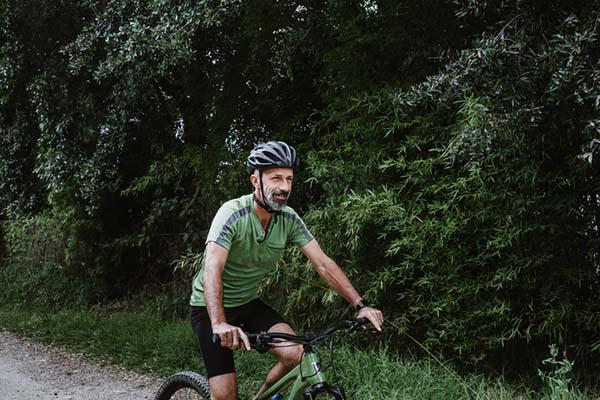
The joy and health benefits of cycling
Bicycling offers joint-friendly aerobic exercise, builds leg muscles, and aids recovery after knee or ankle surgery. The most appropriate type of bicycle—road, mountain, hybrid, or adaptive (recumbent, tricycle, hand cycle)—depends on where people ride and their abilities.

The many benefits of the "dead bug"
Older adults need a strong core to stay active and healthy. While the core comprises many muscles, the four main ones lie within the abdomen: the rectus abdominis in the front; the external and internal obliques on the sides; and the deep, flat transversus abdominis wrapping your midsection. Several core exercises work many of these muscles, but the dead bug exercise can engage all of them and is safe for older adults, as it can be modified for any age or limitations. The dead bug is done by lying on the back and moving the limbs up and down to imitate a dying insect.
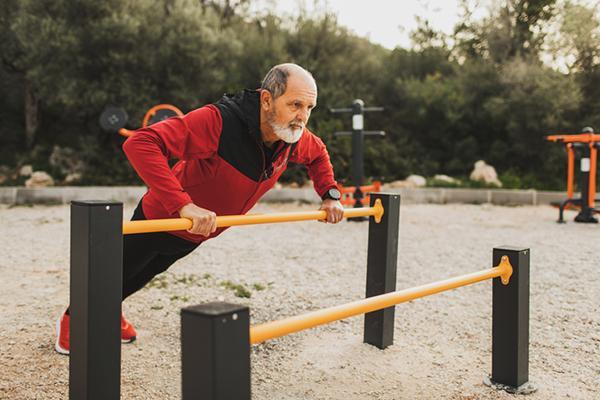
New resistance training guidance may simplify your workout
Resistance training at least twice a week builds strength, power, and endurance and preserves function as people age. Home workouts with body-weight movements and resistance bands are as effective as using gym equipment. All major muscle groups should be strengthened.

Core exercises: Diagonal opposite arm and leg raise
Harvard fitness expert Michele Stanten takes you through a simple exercise to tighten your abs, strengthen your back, and improve your balance.

Are you healthy enough to age in place?
There are many health-related requirements for living independently in older age. For example, one needs sharp thinking skills in order to manage medications, pay bills, choose clothes for the day, and select and buy groceries; and one needs strength, balance, and flexibility in order to get up from a chair, cook, or clean. People with weakening aspects of health should talk to a doctor for potential solutions to improve or cope with health challenges in order to continue living independently.
Hip bursitis vs. arthritis: How to tell the difference
Fitness for longevity: Which type matters most?
Ministrokes linked to elevated risk of dementia
Continuous glucose monitors benefit people who don't need insulin
CoQ10: Should you take this popular supplement if you're on a statin?
Microplastics: A hidden health threat?
Oat vs. dairy milk: Nutrition, benefits, and downsides
What is tempeh? Benefits, nutrition, and how to use it
Healing after food poisoning
Whole grains may improve several heart risk factors at once
Free Healthbeat Signup
Get the latest in health news delivered to your inbox!
Sign Up
