

Hip bursitis vs. arthritis: How to tell the difference

Fitness for longevity: Which type matters most?

Ministrokes linked to elevated risk of dementia

Continuous glucose monitors benefit people who don't need insulin

CoQ10: Should you take this popular supplement if you're on a statin?

Microplastics: A hidden health threat?

Oat vs. dairy milk: Nutrition, benefits, and downsides

What is tempeh? Benefits, nutrition, and how to use it

Healing after food poisoning

Whole grains may improve several heart risk factors at once
Balance Archive
Articles

Do you fall down when you stand up?
People with orthostatic hypotension experience a drop in blood pressure when they stand, which increases the risk for falls. Ways to manage the condition include keeping up blood volume by taking in at least 3 liters of fluid and 4 to 6 grams of salt per day; taking medication to alleviate lightheadedness; avoiding hot environments; getting up slowly from a sitting or standing position; and sleeping with the bed on a slant. Someone who feels lightheaded upon standing should sit down immediately. If that's not possible, it may help to tense the muscles.

Hybrid exercise training
Hybrid exercise training combines heart-pumping aerobic action with muscle-strengthening moves in the same exercise session. The strategy has the advantage of meeting two key goals of the federal Physical Activity Guidelines in one fell swoop. And it also appears to be one of the best—and most time-efficient—ways for people who are overweight to lower their risk of cardiovascular-related risk factors. Strong muscles boost a person's basal metabolic rate—the amount of energy the body needs to keep working during rest. That improves weight-loss efforts by ramping up the number of calories burned.

Are you headed for a fall?
Cardiovascular conditions can increase a person's risk of falling. Such falls are usually related to a lack of blood flow to the brain that causes a person to faint. The most common cause is orthostatic hypotension, but severe aortic stenosis and the heart rhythm disorder known as atrial fibrillation can also cause a person to faint. Other falls may result from cerebral microvascular disease, a type of blood vessel damage in the brain that develops over time.


Three moves for functional fitness
Older adults can benefit from functional fitness exercises—those that focus on the muscles needed for basic everyday actions, like squatting, bending, reaching, and twisting. An all-around exercise routine that addresses the major muscle groups is ideal for improving functional fitness. Still, people should add specific exercises that mimic basic movements, such as getting up and down from the ground or a seated position, bending down and lifting objects, and carrying heavy or bulky items.

Waist trainers: What happens when you uncinch?
Splashy advertisements suggest that compression devices called waist trainers can help you sculpt inches off your waistline. The claims far outweigh the evidence, but exercises that strengthen core muscles can also help shape your waist.
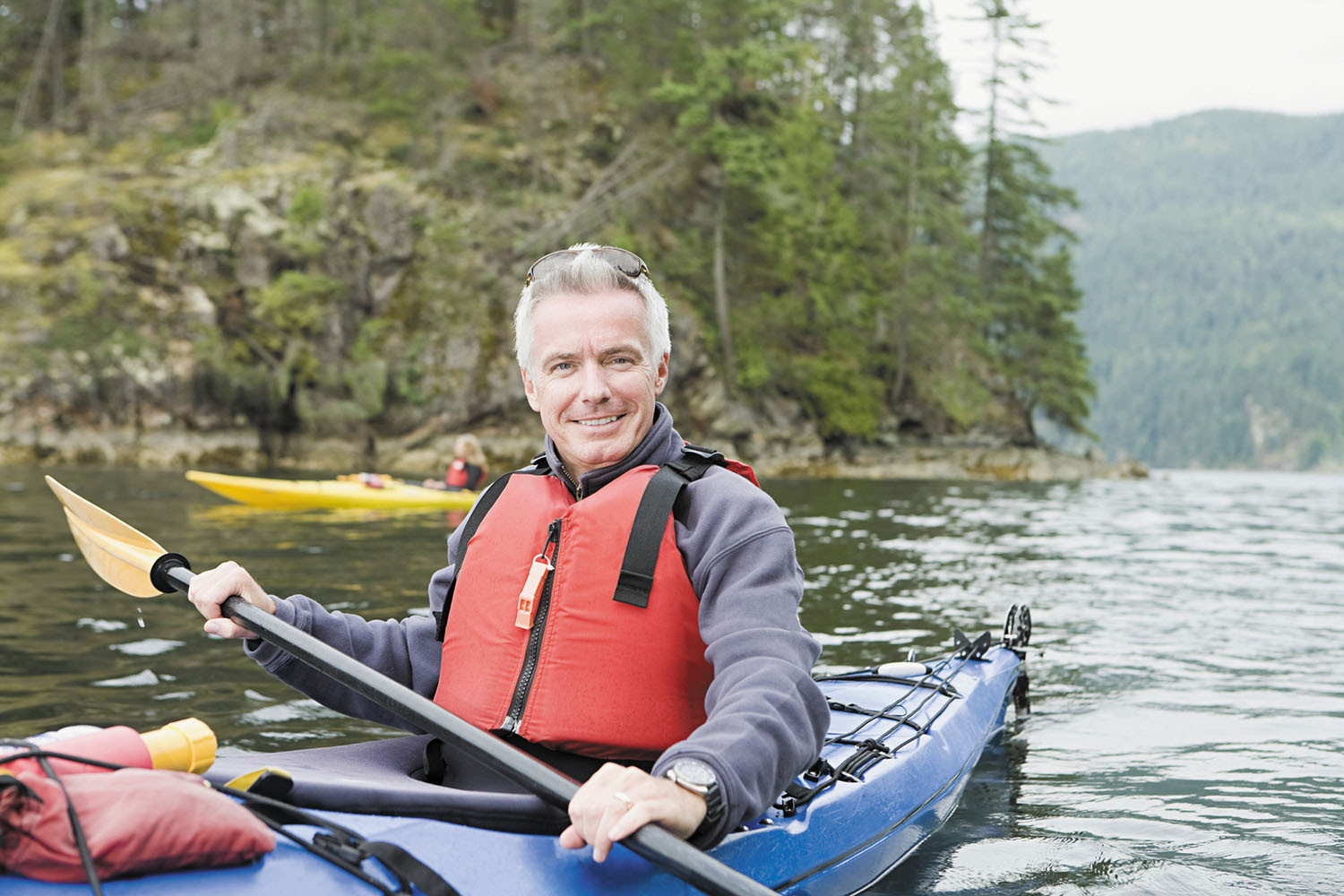
Grab your paddle
Paddle sports, like canoeing, kayaking, and paddleboarding, tone muscles in the back, shoulders, arms, and core to help make everyday movement easier and safer. Plus, water activities get people to interact with nature, which can boost their mental and emotional health. Begin by signing up for individual or group paddling lessons where all equipment is provided. The experience teaches you the basics, like how to paddle and safely get in and out of the boat, and other rules and etiquette.

Stronger body, healthier heart?
Doing 30 to 60 minutes per week of strength training exercises is linked to a lower risk of premature death in general, and from heart disease in particular. Regular strength training may improve heart health by lowering the risk of blood pressure and metabolic syndrome. Body-weight exercises such as standing lunges and bench push-ups are a convenient way to build muscle because they can be done anywhere, without the need for special exercise equipment.


Hip bursitis vs. arthritis: How to tell the difference
Fitness for longevity: Which type matters most?
Ministrokes linked to elevated risk of dementia
Continuous glucose monitors benefit people who don't need insulin
CoQ10: Should you take this popular supplement if you're on a statin?
Microplastics: A hidden health threat?
Oat vs. dairy milk: Nutrition, benefits, and downsides
What is tempeh? Benefits, nutrition, and how to use it
Healing after food poisoning
Whole grains may improve several heart risk factors at once
Free Healthbeat Signup
Get the latest in health news delivered to your inbox!
Sign Up
